
4.82/5 · 38 reviews
¿Tienes una cuenta?
Inicia sesión para finalizar tus compras con mayor rapidez.

£8.00

£6.00

£23.90
Envío gratuito en pedidos superiores a £150


Por Alex Beleaev | Beleaev Caviar & Gourmet | beleaev.com
Escriba «beluga caviar» en un buscador y encontrará un caos desconcertante. Algunos sitios afirman que está prohibido. Otros lo venden abiertamente. Unos pocos aseguran que es el alimento más raro del mundo. Un hilo de Reddit insiste en que le detendrán en la aduana por llevarlo.
La verdad es más sencilla de lo que sugiere internet, pero existen normas reales que usted debe comprender antes de comprarlo.
Puntos clave
- El caviar Beluga de acuicultura es legal para comprar y vender en el Reino Unido
- El caviar Beluga salvaje del Caspio está prohibido en la práctica conforme a la normativa internacional CITES
- Todo el caviar legal vendido en el Reino Unido debe llevar una etiqueta conforme a CITES con códigos de trazabilidad específicos
- Estados Unidos prohibió todas las importaciones de caviar Beluga en 2005, pero el Reino Unido y la UE permiten el producto de acuicultura
El esturión beluga (Huso huso) es el mayor pez de agua dulce del mundo. Se han registrado ejemplares que superan los 1.500 kg. Es además la fuente del caviar más codiciado: perlas grandes y mantecosas que alcanzan los precios más altos del mercado.
Esa demanda estuvo a punto de destruir la especie.
A mediados del siglo XX, la pesca del esturión en el mar Caspio estaba controlada por el Estado y relativamente gestionada. Tras el colapso de ese sistema en 1991, la regulación se desmoronó con él. La caza furtiva se disparó en Azerbaiyán, Kazajistán, Turkmenistán, Irán y otros Estados ribereños del Caspio. Según el Fondo Mundial para la Naturaleza, las poblaciones de esturión beluga salvaje del Caspio se redujeron en más de un 90 % entre la década de 1970 y principios de la de 2000.
CITES, la Convención sobre el Comercio Internacional de Especies Amenazadas, intervino. El esturión beluga fue incluido en el Apéndice II de CITES, que no prohíbe el comercio de forma absoluta pero exige permisos y cuotas estrictos. Para 2006, CITES suspendió todas las exportaciones de caviar Beluga salvaje de la región del Caspio después de que los países productores no lograran demostrar una gestión sostenible.
El efecto práctico: el caviar Beluga salvaje se volvió prácticamente imposible de obtener legalmente en cualquier parte del mundo.
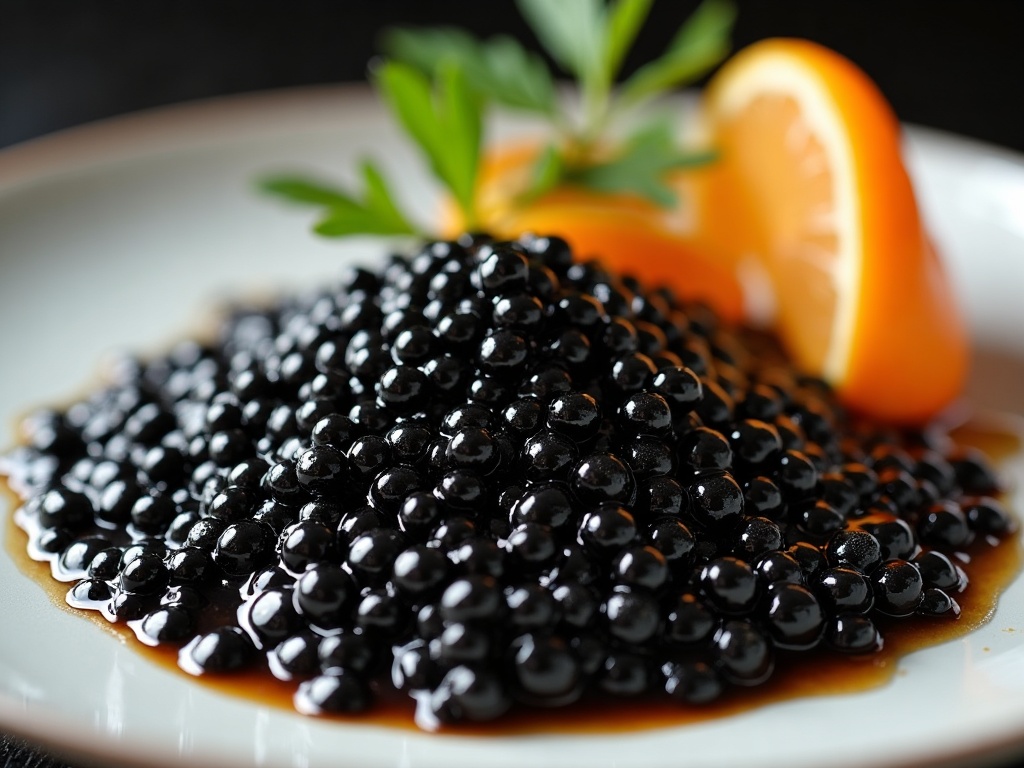
Sí. Con una distinción fundamental.
El caviar Beluga de acuicultura procedente de instalaciones registradas por CITES es plenamente legal para comprar, vender e importar en el Reino Unido. Varias granjas europeas, en particular en Italia, Alemania y Bulgaria, producen caviar Beluga a partir de esturiones criados en entornos controlados. Estas explotaciones poseen permisos CITES y se someten a inspecciones periódicas.
El caviar Beluga capturado en estado salvaje en el mar Caspio está prohibido en la práctica. No se han concedido cuotas de exportación legales para el beluga salvaje del Caspio desde 2006. Cualquier producto que afirme ser beluga salvaje del Caspio está mal etiquetado, es de contrabando o ambas cosas.
La posición del Reino Unido al respecto se rige por el Reglamento de Control del Comercio de Especies Amenazadas de 2018 (COTES), que aplica CITES en el derecho nacional. Comerciar con especies incluidas en CITES sin la documentación adecuada conlleva penas de hasta cinco años de prisión y multas ilimitadas.
Así que cuando vea caviar Beluga a la venta en un comercio del Reino Unido, es legal. Procede de una granja. Y debe llevar documentación que lo demuestre con exactitud.
Cada lata de caviar legal vendida en el Reino Unido debe llevar una etiqueta conforme a CITES. Esto no es opcional. Es la ley.
La etiqueta sigue un formato estandarizado que contiene códigos específicos. El código de especie identifica el tipo de esturión (HUS para Huso huso, el beluga). El código de origen indica si el pez fue capturado en estado salvaje (W) o criado en granja (C para criado en cautividad o F para nacido en cautividad de progenitores salvajes). El código del país de origen muestra dónde se produjo el caviar. El año de cosecha y el número de registro de la planta de procesamiento completan la cadena de trazabilidad.
Para un beluga legal del Reino Unido, debería ver un código de origen «C» (criado en cautividad), no «W» (salvaje). El código de país debería corresponder a una nación productora conocida: IT (Italia), DE (Alemania), BG (Bulgaria) o similar.
Si una lata carece por completo de esta etiqueta, no la compre. Si la etiqueta muestra «W» en un producto de beluga, es una señal de alarma. Si el país de origen es Irán, Azerbaiyán, Kazajistán o Turkmenistán y el código de origen es «W», aléjese. No se ha exportado beluga salvaje legal desde estas naciones en dos décadas.
Según TRAFFIC, la red de seguimiento del comercio de vida silvestre, el caviar sigue siendo uno de los productos de vida silvestre ilegales más incautados en las fronteras europeas. En 2022, la Fuerza Fronteriza del Reino Unido incautó varios envíos de caviar sin documentar en Heathrow y otros puntos de entrada.
Aquí es donde suele comenzar la confusión, porque las normas son en realidad diferentes.
El Servicio de Pesca y Vida Silvestre de Estados Unidos prohibió todas las importaciones de caviar Beluga en 2005. Sin excepción. La prohibición abarca tanto el producto salvaje como el de granja. Los estadounidenses no pueden importar legalmente caviar Beluga, sea cual sea su origen. Esta prohibición se impulsó por la preocupación de que las explotaciones de beluga de acuicultura pudieran seguir generando presión de demanda sobre las poblaciones salvajes.
El Reino Unido (y la UE) adoptaron un enfoque distinto. En lugar de una prohibición total, permiten el comercio de beluga de acuicultura siempre que cumpla los requisitos de documentación de CITES. La lógica: una cría debidamente regulada reduce la presión sobre las poblaciones salvajes al ofrecer una alternativa legal. Prohibir por completo el producto de granja podría desviar la demanda hacia el mercado negro.
Tras el Brexit, el Reino Unido mantuvo la alineación con el enfoque de la UE a través de COTES. El beluga de acuicultura sigue siendo legal. El beluga salvaje sigue prohibido.
Esta diferencia significa que los visitantes estadounidenses en el Reino Unido pueden consumir legalmente caviar Beluga en un restaurante británico, pero no pueden llevárselo legalmente a casa. También significa que los sitios web con sede en EE. UU. que afirman que «el caviar Beluga está prohibido» tienen razón para su jurisdicción, pero se equivocan respecto al Reino Unido.
Si viaja con caviar, las normas son específicas.
Conforme a la normativa actual, puede introducir hasta 125 gramos de caviar por persona en el Reino Unido para uso personal sin necesidad de un permiso de importación CITES. El caviar debe estar en su recipiente etiquetado original con la codificación CITES intacta. Cualquier cantidad superior a 125 gramos requiere un permiso.
Este límite se aplica por persona y por viaje. Una pareja que viaje junta podría introducir 250 gramos en total.
Algo fundamental: el caviar debe proceder de un productor de origen legal y conforme a CITES. Llevar caviar sin documentar a través de las fronteras, sea cual sea la cantidad, es ilegal y está sujeto a incautación.
Aténgase a proveedores especializados y consolidados. Un vendedor de confianza mostrará la etiqueta CITES en cada producto, indicará la especie de esturión y la granja de origen, y será transparente respecto a su cadena de suministro.
Haga preguntas. ¿Dónde se crió esto? ¿Cuál es el número de registro CITES? ¿Puede facilitar la documentación? Cualquier vendedor legítimo responderá a estas preguntas sin dudarlo. Si se muestra vago, evasivo o a la defensiva, compre en otro sitio.
El precio también es una señal. El caviar Beluga de acuicultura de un productor europeo de confianza suele costar entre 175 y 350 euros por 50 gramos. Si alguien le ofrece «caviar Beluga» a 47 euros por 50 gramos, casi con toda seguridad no es beluga. El etiquetado incorrecto de las especies de caviar es, por desgracia, habitual en el sector. Un estudio de 2021 publicado en Scientific Reports concluyó que hasta el 19 % del caviar vendido comercialmente estaba mal etiquetado por especie.
El enfoque más seguro: comprar a especialistas con sede en el Reino Unido que se abastecen de granjas europeas conocidas, envían con la logística de cadena de frío adecuada y muestran la documentación CITES completa en cada producto.
Descubra la colección de caviar Beleaev, de cría responsable, certificada por CITES y con entrega al día siguiente en el Reino Unido.
Beluga · Oscietra · Baeri · Sets de Degustación Signature · Comprar todo
¿Se puede comprar caviar Beluga en el Reino Unido?
Sí. El caviar Beluga de acuicultura procedente de instalaciones registradas por CITES es plenamente legal en el Reino Unido. El beluga capturado en estado salvaje en el mar Caspio está prohibido conforme a la normativa internacional.
¿Está prohibido el caviar Beluga en todo el mundo?
No. Está prohibido en Estados Unidos (tanto salvaje como de granja), pero es legal en el Reino Unido, la UE y muchos otros países siempre que sea de acuicultura y lleve la documentación CITES adecuada. El caviar Beluga salvaje está prohibido en la práctica a escala mundial debido a las suspensiones comerciales de CITES.
¿Cuánto caviar Beluga puedo introducir en el Reino Unido?
Hasta 125 gramos por persona para uso personal, en recipientes originales etiquetados conforme a CITES, sin necesidad de un permiso de importación. Las cantidades superiores a 125 gramos requieren un permiso.
¿Cómo sé si mi caviar es auténtico beluga?
Compruebe en la etiqueta CITES el código de especie «HUS» (Huso huso) y el código de origen «C» (criado en cautividad). Compre en comercios especializados que revelen su cadena de suministro. Desconfíe de precios inusualmente bajos, ya que el etiquetado incorrecto de especies afecta a hasta el 19 % del caviar comercial según investigaciones publicadas.
¿Busca caviar de origen adecuado, documentado por CITES y procedente de granjas europeas de confianza? Explore toda la gama en Beleaev.
Explore la colección completa de caviar en Beleaev con entrega al día siguiente en el Reino Unido.
Beleaev Caviar & Gourmet es una empresa internacional de caviar y alta gastronomía que trabaja con caviar de cría responsable Baeri, Oscietra, Imperial y Beluga, entregado en un plazo de 24 a 48 horas. Entrega al día siguiente en todo el Reino Unido.

 447706084493


