



Patatas fritas con trufa: la versión de restaurante en casa
Por Beleaev Family | International Caviar & Gourmet, Oficina Central de Londres | beleaev.com
Las patatas fritas con trufa son el acompañamiento que se pide en cada asador del país y que decepciona casi siempre. Patatas blandas, aceite de trufa artificial, queso rallado polvoriento. El suplemento de 9 € en Hawksmoor o Goodman le ofrece algo que en realidad debería costar 4 €.
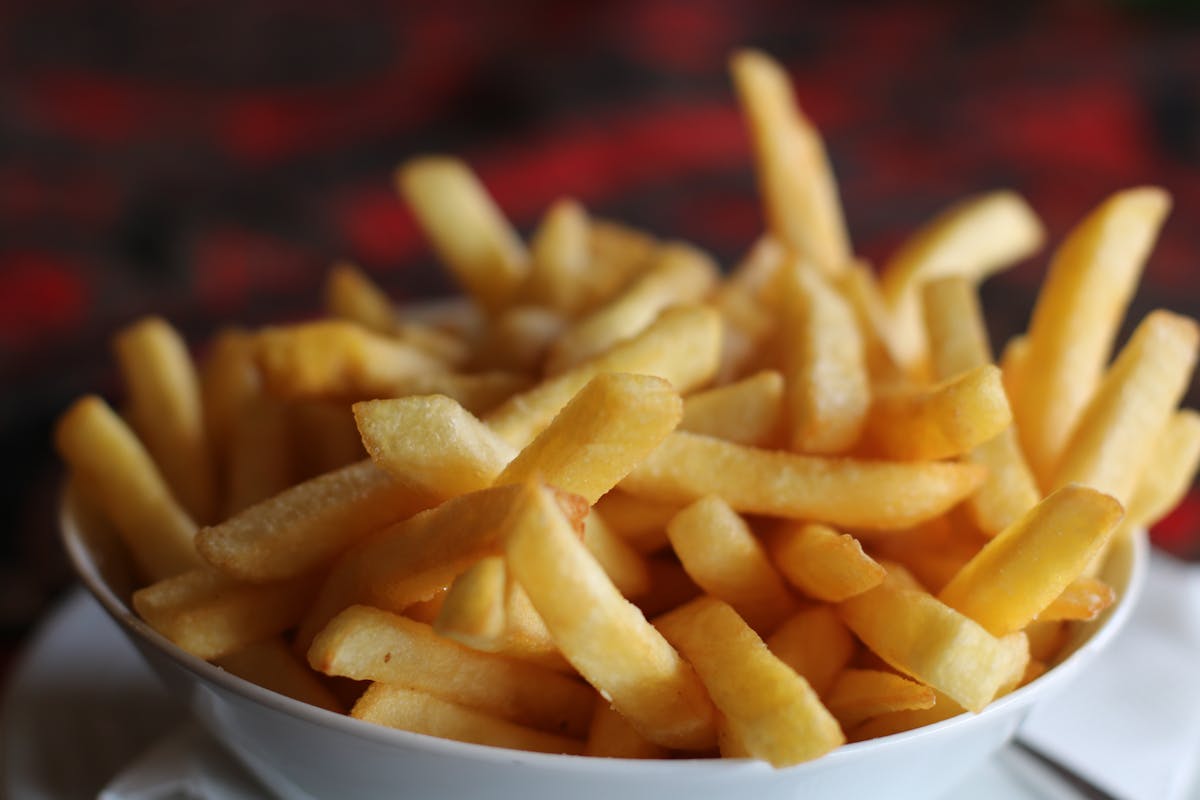
Bien preparadas en casa, las patatas fritas con trufa son algo completamente distinto. Crujientes por fuera, esponjosas por dentro, con aroma de trufa auténtica en lugar de aceite sintético, parmesano fresco y perejil. La técnica es la clásica doble fritura belga, el sazonado es generoso y la trufa es real. Coste total: alrededor de 9 € para 4 raciones.
El método de la doble fritura es la parte que la mayoría de cocineros caseros omite. Merece la pena dedicarle 10 minutos más. La primera fritura cuece la patata por dentro. La segunda fritura hace crujiente la superficie. Las patatas fritas una sola vez quedan siempre más blandas y nunca alcanzan la textura crujiente por fuera que corresponde.
Puntos clave
- Utilice patatas Maris Piper o King Edward, nunca patatas nuevas
- Corte las patatas de 1 cm de grosor, no más finas
- Doble fritura: la primera a 130 C, la segunda a 180 C
- Utilice mantequilla de trufa auténtica, no aceite de trufa
- Mézclelas con el sazonado mientras estén calientes y cómalas en 5 minutos
Los ingredientes
Para 4 personas como acompañamiento
Para las patatas:
- 1 kg de patatas Maris Piper o King Edward
- 2 litros de aceite neutro para freír (girasol, colza o grasa de vacuno)
- Sal marina
Para el acabado de trufa:
- 30 g de mantequilla de trufa (casera, consulte nuestra receta de mantequilla de trufa)
- 30 g de Parmigiano Reggiano, rallado fino
- 4-5 g de trufa negra fresca, para laminar
- 2 cucharadas de perejil de hoja plana picado fino
- Unas escamas de sal marina Maldon
La variedad de patata lo es todo. La Maris Piper tiene el contenido de almidón adecuado para unas patatas crujientes de doble fritura. La King Edward es una excelente segunda opción. Evite la Charlotte, la Anya o las patatas nuevas: la textura no será la correcta.
En cuanto al aceite, la grasa de vacuno es la tradicional y produce el mejor sabor. El aceite de girasol o de colza son alternativas prácticas. Evite el aceite de oliva: su punto de humo es demasiado bajo.
El método, paso a paso
Paso 1: cortar las patatas
Pele las patatas. Córtelas en bastones uniformes de aproximadamente 1 cm de grosor y 7-8 cm de largo. La uniformidad es importante: los bastones desiguales se cuecen de forma desigual.
Enjuague las patatas en agua fría durante 2 minutos para eliminar el almidón de la superficie. Escúrralas y séquelas por completo con papel de cocina. Las patatas húmedas salpican con fuerza en el aceite caliente.
Paso 2: primera fritura (cocción interior)
Caliente el aceite a 130 C en una olla honda y pesada o en una freidora. Utilice un termómetro, no lo deje al azar.
Introduzca las patatas en el aceite por tandas (no las amontone). Fríalas durante 7-8 minutos hasta que estén blandas al pincharlas con un cuchillo, pero sin dorarse. Las patatas deben verse pálidas y ligeramente translúcidas.
Sáquelas con una espumadera y escúrralas sobre una rejilla. Déjelas enfriar al menos 10 minutos. Este reposo permite que la superficie se seque, que es lo que crea el crujiente durante la segunda fritura.
Paso 3: segunda fritura (dorar el exterior)
Caliente el aceite a 180 C. Vuelva a introducir las patatas reposadas en el aceite por tandas.
Fríalas durante 3-4 minutos hasta que estén doradas y visiblemente crujientes. La superficie debe verse brillante y romperse como un cristal al golpearla con una cuchara de madera.
Sáquelas y escúrralas brevemente sobre papel de cocina, y páselas de inmediato a un cuenco caliente.
Paso 4: mezclar con la mantequilla de trufa
Mientras las patatas estén aún muy calientes, añada la mantequilla de trufa al cuenco. Mézclelas enérgicamente con dos cucharas grandes hasta que la mantequilla se haya derretido y recubra cada patata.
Sazone generosamente con sal marina. Añada la mitad del parmesano rallado y el perejil picado. Mezcle de nuevo.
Paso 5: emplatar y laminar
Vierta las patatas en un cuenco de servir o en un cucurucho de papel. Esparza el parmesano restante por encima.
Lamine 4-5 g de trufa fresca directamente sobre las patatas en la mesa. Añada unas escamas de sal marina Maldon. Cómalas de inmediato.
Consejos para acertar
Doble fritura, nunca una sola. La cocción en dos etapas es lo que hace unas auténticas patatas al estilo belga. La primera fritura cuece el interior. La segunda fritura hace crujiente el exterior. Si omite la segunda fritura, tendrá patatas blandas, no crujientes.
Escurrir y reposar entre fritura y fritura. El enfriamiento de 10 minutos entre la primera y la segunda fritura es fundamental. La humedad de la superficie se evapora y el almidón de la superficie se gelatiniza ligeramente. Esto es lo que le da esa cáscara exterior crocante.
Mantequilla de trufa auténtica, nunca aceite de trufa. El aceite de trufa barato contiene compuestos sintéticos de sabor artificial. La mantequilla de trufa auténtica (casera o de un buen proveedor) aporta el aroma real. La diferencia se nota de inmediato.
Mézclelas calientes, cómalas rápido. La ventana para una textura perfecta es de 5 minutos. Pasado ese tiempo, las patatas empiezan a ablandarse por la humedad residual y el aroma de trufa se desvanece. Emplate y sirva con rapidez.
No sustituya el parmesano por queso prerallado barato. El queso en bolsa ya rallado sabe a los antiaglomerantes de celulosa. Compre una cuña de auténtico Parmigiano Reggiano y rállelo en el momento. La diferencia de sabor es notable.
Variaciones y maridajes
Con caviar: sirva una pequeña cucharada de caviar aparte, como guarnición para mojar. Suena extraño, pero funciona de maravilla. La salinidad y la trufa se complementan.
Con alioli: mezcle 100 g de mayonesa con 1 diente de ajo rallado fino y 5 g de trufa fresca picada fina. Sírvalo como salsa para mojar. Esta es la versión que se encuentra en el Bouchon Bistro de Beverly Hills.
Con trufa blanca: en otoño (de octubre a diciembre), lamine trufa blanca en lugar de negra. Utilice 4-5 g por ración. El aroma es más intenso y floral.
Variación con boniato: sustituya la mitad de la Maris Piper por boniato cortado del mismo tamaño. El dulzor equilibra el carácter terroso de la trufa.
Con carne madurada: las patatas fritas con trufa junto a un filete a la trufa son la comida de asador de lujo de manual, hecha en casa.
Maridaje de vino: un Burdeos o una copa fría de champán seco. Para ocasiones más ligeras, un grüner veltliner bien frío.
Para más platos con trufa, consulte nuestras entradas receta de mantequilla de trufa y tagliatelle al tartufo.
Preguntas frecuentes
¿Por qué las patatas fritas con trufa de restaurante suelen decepcionar?
Tres causas habituales. Primera, los restaurantes a menudo usan patatas prefritas congeladas, que nunca alcanzan el mismo crujiente que las recién hechas. Segunda, usan aceite de trufa sintético en lugar de trufa auténtica, lo que da un aroma artificial. Tercera, las patatas reposan en un cajón calientaplatos y pierden el crujiente antes de llegar a la mesa. Hechas frescas en casa con trufa auténtica, el plato es muchísimo mejor.
¿Puedo hornearlas en lugar de freírlas?
Puede, pero el resultado es fundamentalmente distinto. Las patatas al horno no desarrollan la misma cáscara crujiente que las fritas. Si tiene que hornearlas, escáldelas durante 6 minutos, escúrralas, séquelas y hornéelas a 220 C en abundante aceite durante 25-30 minutos. El resultado es bueno, pero no es lo mismo.
¿Cuál es la temperatura correcta del aceite?
130 C para la primera fritura, 180 C para la segunda. Utilice un termómetro, no lo deje al azar. Un aceite demasiado frío produce patatas grasientas. Un aceite demasiado caliente quema la superficie antes de que se cueza el interior. El método de las dos temperaturas es la técnica que da unas auténticas patatas al estilo belga.
¿Cuánta trufa fresca para 4 raciones?
4-5 g de trufa fresca para 4 raciones de patatas es la cantidad correcta. Las patatas son ricas en almidón y absorben el aroma de la trufa con eficacia. Más de 5 g por ración es un desperdicio: el sabor no se intensifica de forma proporcional.
Lecturas adicionales
- El método de la doble fritura belga (BBC Good Food)
- La ciencia de las patatas crujientes (Serious Eats)
Unas patatas fritas con trufa bien hechas, con trufa auténtica y buen queso, son uno de esos acompañamientos que, sin hacer ruido, roban el protagonismo de la comida. Descubra la colección de caviar de Beleaev, la pareja perfecta para una cena de lujo de filete y patatas, en Trufa Negra de Périgord. Explore la colección completa en beleaev.com.
Beleaev es una casa internacional de caviar y alta gastronomía con sede en Londres, con centros logísticos en el Reino Unido, Europa, los Emiratos Árabes Unidos y los Estados Unidos. Entregamos caviar Beluga, Oscietra, Sevruga y Kaluga de cría responsable a clientes de cada región en un plazo de 24 a 48 horas.

 447706084493

