
Beleaev Blinis - 12 Stk.
£5.00
4.82/5 · 38 reviews
Hast du ein Konto?
Logge dich ein, damit es beim Checkout schneller geht.
£5.00

£8.00

£6.00

£23.90

Von Alex Beleaev | Beleaev Caviar & Gourmet | beleaev.com
Vergessen Sie alles, was Sie in Filmen gesehen haben. Das Champagnerglas in der einen Hand, der winzige Löffel in der anderen, ein vage gelangweilter Ausdruck. Das ist Theater, nicht Essen.
Kaviar erfordert kein Regelwerk oder Abendgarderobe. Aber wenn man ein paar echte, erprobte Dinge weiß, verwandelt sich das Erlebnis von „Das ist ganz nett, denke ich“ in etwas, an das man sich jahrelang erinnern wird.
Wir haben Tausende von Dosen verkostet. Wir haben zugesehen, wie Menschen auf Verkostungen in ganz London zum ersten Mal Kaviar probiert haben. Und wir haben gelernt, was wirklich wichtig ist und was nur Nebensache ist.
Wichtigste Erkenntnisse
- Verwenden Sie Löffel aus Perlmutt oder Knochen, da Metall eine Schwefelreaktion verursacht, die den Geschmack ruiniert.
- Servieren Sie ihn leicht unter Kühlschranktemperatur, etwa 6 bis 8 °C am Gaumen.
- Probieren Sie ihn zuerst pur, dann bauen Sie ihn mit Blinis und Crème fraîche auf.
- Planen Sie 30-50 g pro Person als Vorspeise ein.
- Drücken Sie die Eier gegen Ihren Gaumen. Nicht kauen, als wäre es Müsli.
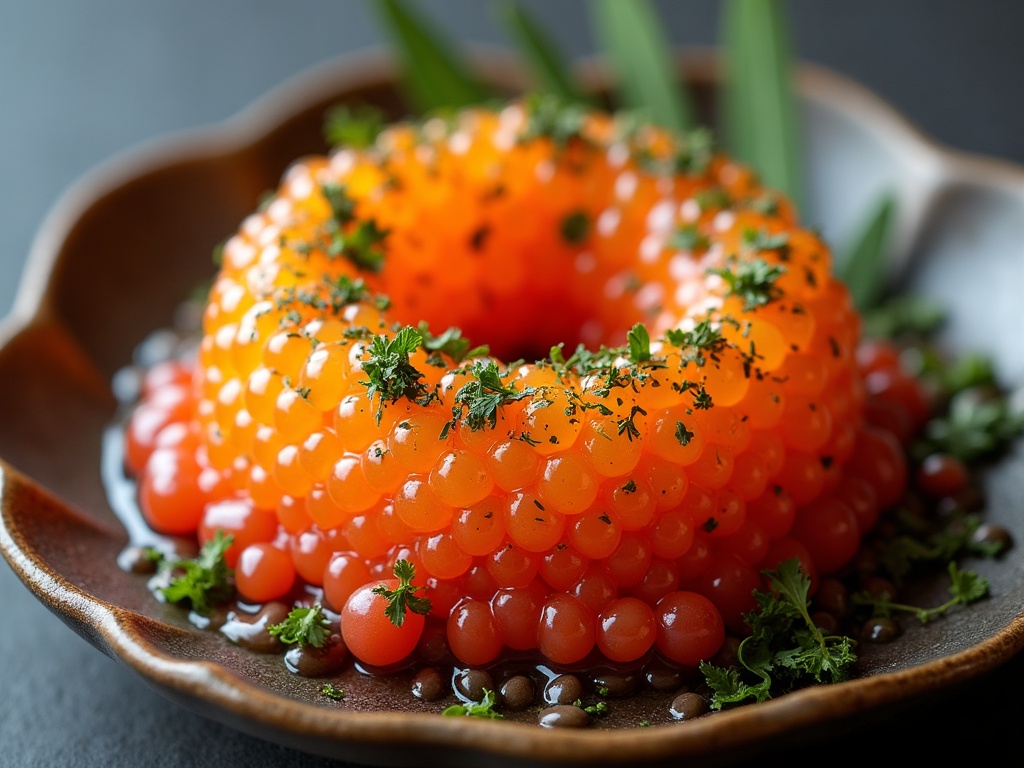
Nehmen Sie die Dose etwa 10 Minuten vor dem Servieren aus dem Kühlschrank. Sie sollten eine Temperatur leicht unter der Kühlschranktemperatur anstreben, etwa 6 bis 8 °C am Gaumen. Nicht Zimmertemperatur. Nicht gefroren.
Zu kalt, und die Eier sind dumpf. Geschmacklose kleine Kügelchen. Zu warm, und die Fette zerfallen, wodurch zarte Meeresnoten zu etwas Fischigem und Fadenscheinigem werden. Wenn Sie jemals Kaviar probiert und gedacht haben „Was soll der ganze Aufwand?“, besteht eine gute Chance, dass er bei der falschen Temperatur serviert wurde.
Perlmutt. Knochen. Gold, wenn Sie extravagant sein möchten. Niemals Silber. Niemals Edelstahl. Niemals der Teelöffel aus der Schublade.
Silber und Stahl verursachen bei Kontakt mit dem Rogen eine Schwefelreaktion, die einen metallischen, bitteren Nachgeschmack erzeugt, der nichts mit dem Kaviar selbst zu tun hat. Perlmutt ist aus gutem Grund der Standard: Es ist inert, glatt und kühl im Griff. Sogar ein sauberer Holzlöffel tut es im Notfall. Aber Metall? Nein.
Planen Sie 30-50g pro Person ein, wenn Kaviar eine Vorspeise ist. Das sind ungefähr ein bis zwei Esslöffel, genug, um ihn richtig über ein paar Blinis oder Bissen zu schmecken. Für eine reine Verkostung, bei der verschiedene Sorten nebeneinander verglichen werden, sind 10-15g von jeder Sorte ausreichend.
Geben Sie eine kleine Menge Kaviar auf Ihren Handrücken, in den weichen Bereich zwischen Daumen und Zeigefinger. Dann essen Sie ihn direkt von Ihrer Haut.
Klingt seltsam? Genau so wird Kaviar auf Farmen und von professionellen Verkostern weltweit bewertet. Ihre Haut wärmt die Eier leicht an und entfaltet so das volle Aroma. Es gibt keine Beeinflussung durch andere Geschmäcker oder Texturen. Nur Sie und der Kaviar.
Probieren Sie es einmal aus. Auch wenn Sie es nie wieder tun, werden Sie verstehen, wie Kaviar wirklich schmeckt.
Widerstehen Sie dem Drang, ihn sofort auf einen Blini zu häufen. Nehmen Sie einen kleinen Löffel, legen Sie ihn auf Ihre Zunge und drücken Sie die Eier sanft gegen den Gaumen. Lassen Sie sie platzen.
Guter Kaviar bietet Schichten. Zuerst Salz, dann Butter, dann etwas Oceanisches, dann ein langanhaltender Abgang. Ossetra kann nussig schmecken. Beluga cremig und fast süß. Sevruga scharf und salzig. All dies werden Sie nicht bemerken, wenn Ihr erster Bissen unter Crème fraîche begraben ist.
Die Geschmackswahrnehmung variiert stark zwischen Individuen. Genetische Unterschiede in den Geschmacksrezeptoren bedeuten, dass derselbe Kaviar je nach Verkoster unterschiedlich wahrgenommen werden kann. Es gibt keine falsche Antwort. Nur Ihre Antwort.
Sobald Sie ihn pur probiert haben, bauen Sie auf. Ein warmer Buchweizen-Blini, ein kleiner Klecks Crème fraîche und ein großzügiger Löffel Kaviar obenauf. Der milde säuerliche Geschmack der Crème fraîche, die erdige Wärme des Blinis und das kühle, salzige Platzen der Eier. Diese Kombination hat aus gutem Grund Jahrhunderte überdauert.
Übertreiben Sie es nicht mit der Crème fraîche. Ein dünner Schmier, kein Berg. Der Kaviar ist der Star. Alles andere ist ein Nebendarsteller.
Kaviar auf Chips. Kaviar auf Rührei. Kaviar in frische Pasta mit einem Stück Butter gerührt. Das sind keine Gimmicks; das sind ausgezeichnete Arten, ihn zu essen.
Die Chip-Methode funktioniert, weil Salz auf Salz auf Knusprigkeit trifft. Verwenden Sie einen einfachen, hochwertigen Kartoffelchip (nichts mit Käse-Zwiebel-Geschmack). Geben Sie einen kleinen Tupfer Crème fraîche dazu, wenn Sie möchten, und belegen Sie ihn dann mit Kaviar.
Rührei und Kaviar ist ein klassisches Pariser Frühstück. Kochen Sie die Eier langsam und bei geringer Hitze, noch leicht feucht, und geben Sie den Kaviar in letzter Sekunde darauf. Die Wärme entfaltet den Geschmack, ohne den Rogen zu kochen.
Kaviar direkt aus der Dose auf die Zunge, vom Handrücken oder direkt vom Löffel gegessen. Social Media nennt es einen „Bump“. Kaspische Gastgeber essen Kaviar seit Generationen so. Keine Zeremonie. Keine Beilage. Nur guter Kaviar, sofort genossen. Wenn überhaupt, ist es die ehrlichste Art, ihn zu essen.
Kauen Sie Kaviar nicht wie eine Traube. Die Magie liegt im Platzen. Legen Sie die Eier auf Ihre Zunge, drücken Sie sie sanft mit leichtem Druck gegen Ihren Gaumen und lassen Sie sie platzen. Dort lebt der Geschmack. Aggressives Kauen zerdrückt alles zu einer Paste. Sie verlieren die Textur und damit die Hälfte des Erlebnisses.
Ein Berg gehacktes Ei, ein See Crème fraîche, rohe Zwiebeln hoch aufgetürmt und irgendwo darunter ein paar traurige Kaviar-Eier. Das sehen wir ständig auf Partys. Beilagen sollten flüstern. Der Kaviar sollte schreien.
Kaviar oxidiert. Sobald Sie das Vakuum öffnen, beginnt ein Countdown. Öffnen Sie die Dose innerhalb von 15 Minuten vor dem Servieren und verbrauchen Sie sie innerhalb einer Stunde. Brechen Sie sie nicht zwei Stunden vor Ankunft Ihrer Gäste auf und lassen Sie sie auf der Theke stehen. Das ist keine Vorbereitung. Das ist Sabotage.
Manche Paarungen überleben, weil sie funktionieren.
Blinis sind kleine Buchweizenpfannkuchen, warm, mit einer leichten Erdigkeit. Sie sind aus gutem Grund die traditionelle Basis.
Crème fraîche (keine saure Sahne) ist milder, cremiger, weniger säuerlich. Sie mildert die Salzigkeit des Kaviars, ohne zu konkurrieren.
Gehacktes hartgekochtes Ei, Eiweiß und Eigelb getrennt, fein gehackt, ist eine klassische Garnitur. Sparsam verwenden.
Schnittlauch, fein geschnitten, fügt eine sanfte Kräuternote hinzu, die die gesamte Kombination aufwertet.
Toast-Dreiecke sind dünn geschnittenes Weißbrot, ohne Rinde, in Dreiecke geschnitten und leicht getoastet. Die britische Art, und völlig respektabel.
Zitrone ist umstritten. Viele Traditionalisten bestehen darauf. Wir sagen, lassen Sie sie weg, da Säure die subtilen, buttrigen Noten von gutem Störrogen abflacht.
Champagner ist die klassische Paarung. Brut, speziell Blanc de Blancs. Die hohe Säure und die feinen Bläschen durchdringen das Fett des Kaviars. Vermeiden Sie Demi-Sec oder süße Champagner, bei denen der Zucker mit dem Salz kollidiert.
Wodka passt hervorragend dazu, eiskalt und ungewürzt serviert. Schluckweise, nicht als Shot, zwischen den Löffeln. Die Neutralität des Wodkas lässt dem Kaviar die Hauptrolle. Fragen Sie jeden aus der Kaspischen Region, und er wird Ihnen sagen, dass dies die einzig ernstzunehmende Option ist.
Ein trockener Weißwein wie ein stahliger Chablis oder ein ungelagerter Sancerre passt ebenfalls gut. Etwas mit Mineralität und Zurückhaltung, besonders zu Osietras nussigem Profil.
Was man NICHT trinken sollte: Tanninreiche Rotweine verstärken die Fischöle auf die schlimmste Weise. Süße Weine, gleiches Problem, andere Richtung. Alles mit zu viel Persönlichkeit. Kaviar braucht keinen Konkurrenten im Glas; er braucht einen Begleiter.
Entdecken Sie die Kaviar-Kollektion von Beleaev, verantwortungsvoll gezüchtet, CITES-zertifiziert, mit Lieferung am nächsten Tag in Großbritannien.
Beluga · Osietra · Baeri · Verkostungssets · Alle anzeigen
Legen Sie eine kleine Menge auf einen Perlmuttlöffel und drücken Sie die Eier sanft gegen den Gaumen. Lassen Sie sie platzen. Probieren Sie ihn zuerst pur, dann auf Blinis mit Crème fraîche. Servieren Sie ihn leicht unter Kühlschranktemperatur, etwa 6 bis 8 °C.
Traditionelle Beilagen sind Buchweizen-Blinis, Crème fraîche, fein gehacktes Ei, Schnittlauch und Toast-Dreiecke. Moderne Kombinationen umfassen einfache Chips und Rührei. Halten Sie die Beilagen minimalistisch, damit der Kaviar im Mittelpunkt bleibt.
Für eine Vorspeise 30-50 g pro Person. Für eine Verkostung mehrerer Sorten 10-15 g pro Sorte. Als festlicher Höhepunkt 50-100 g pro Person. Eine Standarddose von 30 g reicht bequem für eine Person oder für zwei als Kostprobe.
Silber und Edelstahl reagieren mit dem natürlich vorkommenden Schwefel im Fischrogen und erzeugen einen metallischen, bitteren Nachgeschmack. Perlmutt, Knochen, Gold und sogar Plastik sind allesamt bessere Wahlmöglichkeiten.
Ernährungstechnisch ja. Kaviar ist reich an Omega-3-Fettsäuren, Vitamin B12 und Selen. Eine 30g-Portion enthält etwa 70 Kalorien. Der limitierende Faktor sind die Kosten, nicht die Gesundheit.
Alles in diesem Leitfaden läuft auf eine Idee hinaus: Übertreiben Sie es nicht. Guter Kaviar, kalt serviert, mit dem richtigen Löffel gegessen, pur verkostet, bevor Sie etwas hinzufügen. Das ist das ganze Geheimnis.
Wenn Sie ihn zum ersten Mal probieren, beginnen Sie mit einem Verkostungsset: zwei oder drei Sorten, je 10-15 g, damit Sie entdecken können, was Ihr Gaumen tatsächlich bevorzugt. Osietra ist der Anfang für die meisten Menschen. Beluga ist dort, wo viele enden.
Entdecken Sie unsere Kaviar-Verkostungssets bei Beleaev und finden Sie die Sorte, die Sie anspricht.
Entdecken Sie die gesamte Kaviar-Kollektion bei Beleaev für die Lieferung am nächsten Tag in Großbritannien.
Beleaev Caviar & Gourmet ist ein internationales Kaviar- und Gourmetunternehmen, das verantwortungsvoll gezüchteten Baeri, Osietra, Imperial und Beluga Kaviar bezieht und innerhalb von 24-48 Stunden liefert. Lieferung am nächsten Tag in ganz Großbritannien.

 447706084493


