
Beleaev Blinis - 12 Stk.
£5.00
4.82/5 · 38 reviews
Hast du ein Konto?
Logge dich ein, damit es beim Checkout schneller geht.
£5.00

£8.00

£6.00

£23.90

Von der Beleaev Kitchen | Caviar & Gourmet, London | beleaev.com

Störfleisch ist das feste, steakartige Fleisch desselben Fisches, der uns den Kaviar schenkt. Es trägt nahezu keine kleinen Gräten, behält seine Form auf dem Grill und schmeckt mild und zart buttrig. Das ist die kurze Fassung. Die längere ist eine Geschichte von Zaren, Flüssen und einem Fisch, den die Menschen weitaus länger geschätzt haben als seinen Rogen.
Die meisten Menschen begegnen dem Stör nur als einer Dose voller Perlen. Das Fleisch ist die vergessene Hälfte. Hier erfahren Sie also, was Störfleisch tatsächlich ist, warum es jahrhundertelang an kaiserlichen Tafeln lag und warum eine still wachsende Zahl von Köchen es als ein Geheimnis behandelt, das es zu bewahren lohnt.
Das Wichtigste in Kürze
- Der Stör ist der uralte Fisch, der den Kaviar hervorbringt; sein Fleisch ist eine Delikatesse für sich
- Das Fleisch ist fest, dicht und nahezu steakartig, mit einem milden, zart buttrigen Geschmack
- Der Stör hat keine kleinen Gräten, was ihn leicht zuzubereiten und leicht zu essen macht
- Er ziert königliche und kaiserliche Tafeln seit langer Zeit vor der Kühlung
- Neugierig? Entdecken Sie die Beleaev Kaviar-Kollektion, um die andere Hälfte des Fisches zu kosten
Der Stör gehört zu den ältesten Fischen, die noch schwimmen. Die Familie existiert seit etwa 200 Millionen Jahren, weshalb er oft als lebendes Fossil beschrieben wird, ganz aus gepanzerten Platten und urzeitlichen Linien.
Wir kennen ihn am besten wegen des Kaviars. Der Rogen des weiblichen Störs, gesalzen und gereift, ist die gefeiertste Delikatesse des Meeres. Doch der Fisch ist groß, und der Körper ist Fleisch, und dieses Fleisch wird gegessen, solange die Menschen an den großen Flüssen Europas und Asiens fischen.
Das Fleisch ähnelt kaum einem Fisch, den Sie je zubereitet haben. Es ist fest und dicht, näher an einem Stück Kalbfleisch oder einer Hähnchenbrust als an blättrigem Kabeljau oder Seezunge. Es zerfällt nicht in weiche Flocken, wenn Sie es schneiden. Es lässt sich in saubere Steaks schneiden. Und der Geschmack ist sanft: mild, klar, ein wenig buttrig, ganz leicht süßlich. Es gibt keine starke „fischige" Note, was genau der Grund ist, warum es Menschen überzeugt, die glauben, Fisch nicht zu mögen.
Störfleisch ist keine moderne Entdeckung, die als Luxus verkleidet wurde. Es ist alt.
Im Kaiserreich des Ostens war der Stör aus der Wolga und dem Kaspischen Meer ein Fisch des Hofes. Der Rogen wurde zu Kaviar; das Fleisch wurde geräuchert, pochiert, in Pasteten gebacken und bei Festmählern serviert. Der Fisch war so eng mit der Krone verbunden, dass der feinste Fang nach Tradition der Tafel des Zaren selbst vorbehalten war.
Großbritannien hat seinen eigenen stillen Anspruch. Der Stör ist ein „königlicher Fisch" gemäß einem Statut, das bis in die Regierungszeit Eduards II. im frühen vierzehnten Jahrhundert zurückreicht. Jeder Stör, der in englischen Gewässern gefangen wird, gehört technisch gesehen der Krone, eine Kuriosität, die noch heute in juristischen Lehrbüchern auftaucht. Wenige Fische tragen einen derartigen Stammbaum.
An den Flüssen Frankreichs, Italiens und der Küste des Schwarzen Meeres wiederholte sich das Muster. Wo der Stör schwamm, wurde er als Fang der Saison behandelt, als das Herzstück, als der Fisch, den man servierte, wenn man beeindrucken wollte. Der Rogen reiste um die Welt und wurde berühmt. Das Fleisch blieb näher an der Heimat, was mit ein Grund dafür ist, warum es heute so wenige Menschen kennen.
Köche haben einen Spitznamen für ihn: das Steak des Meeres. Die Bezeichnung verdient sich ihren Platz.
Die Textur ist die Schlagzeile. Störfleisch ist fest und fleischig, mit einer Dichte, die es großer Hitze standhalten lässt, ohne zu zerfallen. Sie können es in der Pfanne scharf anbraten, über Kohlen grillen, im Ganzen rösten oder unter einer Salzkruste garen, und es behält in allen Fällen seine Form. Behandeln Sie es weniger wie ein zartes Filet und mehr wie ein Stück Fleisch.
| Eigenschaft | Die meisten Weißfische | Stör |
|---|---|---|
| Textur | Weich, blättrig, zart | Fest, dicht, steakartig |
| Kleine Gräten | Oft viele feine Gräten | Keine zu entfernen |
| Geschmack | Leicht, manchmal „fischig" | Mild, klar, zart buttrig |
| Beste Zubereitung | Schnelle, sanfte Hitze | Grillen, Anbraten, Rösten, Salzkruste |
| Auf dem Teller | Ein Filet | Ein Herzstück |
Diese Festigkeit paart sich mit einem ungewöhnlich klaren Geschmack. Der Stör ist mild und leicht süßlich, was bedeutet, dass er kräftige Begleiter willkommen heißt, statt von ihnen übertönt zu werden. Braune Butter und Kapern. Geräuchertes Paprikapulver. Eine angekohlte halbe Zitrone. Ein Löffel Kaviar obenauf, der den Fisch in seine berühmteste Form zurückführt. Wenn Sie den Stör nur als Perlen kennen, ist das Fleisch eine Offenbarung, die es zu verfolgen lohnt.
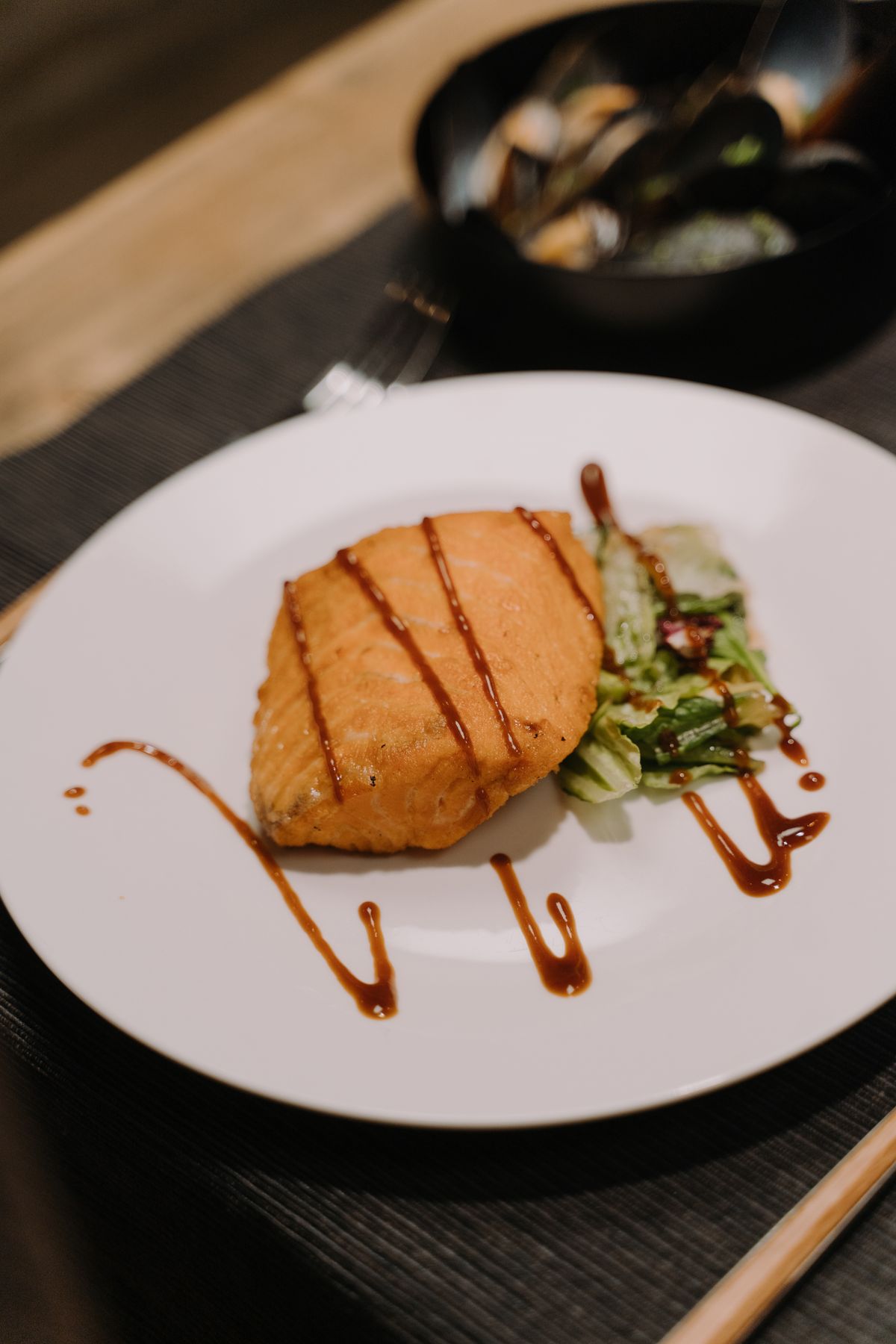
Hier ist der praktische Grund, warum der Stör mehr Aufmerksamkeit verdient, als er erhält. Er hat keine kleinen Gräten, mit denen man kämpfen müsste.
Die meisten Fische verlangen von Ihnen, sich mit einer Reihe feiner Gräten auseinanderzusetzen, entweder vor dem Garen oder, schlimmer noch, bei Tisch. Der Stör nicht. Sein Skelett besteht aus Knorpel statt aus den üblichen feinen Gräten, sodass ein zugeschnittenes Filet wirklich grätenfrei ist. Es gibt nichts zu entfernen, nichts, das einen Gast unvorbereitet trifft.
Unser Störfilet kommt von Hand zugeschnitten, ohne Gräten und ohne Haut, etwa 1,6 kg. Das ist ein großzügiges Stück: genug, um es in einzelne Steaks für den Grill zu schneiden, oder um es als einziges Herzstück für die Tafel zu rösten. Sie übernehmen das Garen; der Fisch hat den schweren Teil bereits erledigt.
Für alle, die beim Garen von Fisch nervös sind, ändert das alles. Keine Gräten bedeutet keine Sorge. Sie können es schneiden, würzen, anbraten und mit derselben Zuversicht servieren, die Sie einem guten Steak entgegenbringen würden.
Es ist leicht zu vergessen, dass Kaviar von einem Geschöpf mit Körper, Schwanz und Kopf stammt. Die Perlen und das Fleisch sind zwei Hälften desselben Tieres.
Störe wachsen langsam. Je nach Art kann ein Fisch Jahre, manchmal weit über ein Jahrzehnt, brauchen, um reif genug zu werden, um den feinsten Rogen hervorzubringen. Dieses langsame Leben ist mit ein Grund, warum Kaviar selten ist und warum er kostet, was er kostet. Das Fleisch teilt dieselbe Herkunft, dieselbe sorgfältige Aufzucht, denselben Fisch.
Heute stammt nahezu der gesamte Kaviar von verantwortungsvoll gezüchteten Stören statt von Wildbeständen, die im letzten Jahrhundert stark dezimiert wurden. Unser Filet wird verantwortungsvoll in der EU gezüchtet, aus derselben Fischfamilie, die den Rogen in unseren Dosen hervorbringt. Das Fleisch und den Kaviar gemeinsam zu servieren ist in gewissem Sinne die vollständigste Art, das Tier zu ehren: das Steak des Meeres, vollendet mit einem Löffel seiner eigenen Perlen. Durchstöbern Sie das vollständige Kaviar-Sortiment, und Sie betrachten die andere Hälfte ein und desselben Fisches.
Ja. Störfleisch ist eine echte Delikatesse und wird seit Jahrhunderten gegessen, lange bevor sein Rogen als Kaviar berühmt wurde. Es ist fest, dicht und nahezu steakartig, mit einem milden und zart buttrigen Geschmack. Heute stammt es von verantwortungsvoll gezüchteten Fischen statt von Wildbeständen.
Mild, klar und ein wenig buttrig, mit einer leichten natürlichen Süße und ohne die starken „fischigen" Noten, die manche Fische tragen. Die Textur ist die Überraschung: fest und fleischig statt weich und blättrig, weshalb es oft das Steak des Meeres genannt wird.
Der Stör hat ein Knorpelskelett statt der feinen Gräten, die sich in den meisten Fischen finden, sodass ein ordentlich zugeschnittenes Filet praktisch grätenfrei ist. Unser Filet kommt von Hand zugeschnitten, ohne Gräten und ohne Haut, was es ungewöhnlich leicht zuzubereiten und zu essen macht.
Ja. Kaviar ist der gesalzene Rogen des weiblichen Störs, und das Fleisch ist das Fleisch desselben Fisches. Die Perlen und das Steak sind schlicht zwei Hälften eines Tieres, weshalb es so passend ist, sie gemeinsam zu servieren.
Der heute verkaufte Stör stammt nahezu vollständig aus Zucht statt aus Wildfang, was den Druck von erschöpften Wildpopulationen nimmt. Unser Filet wird verantwortungsvoll in der EU gezüchtet, aus demselben sorgfältig aufgezogenen Fisch, der unseren Kaviar hervorbringt.
Der Stör ist eines der wenigen Lebensmittel, bei denen der berühmte Teil und der vergessene Teil vom selben Ort stammen. Der Kaviar machte ihn legendär. Das Fleisch, fest und still köstlich, ist die Hälfte, der die meisten Menschen nie begegnen.
Beginnen Sie mit dem Störfilet, dem Steak des Meeres, und lesen Sie unseren begleitenden Ratgeber dazu, wie man Stör im Vereinigten Königreich kauft und zubereitet. Vollenden Sie dann die Geschichte mit der Beleaev Kaviar-Kollektion, den Perlen ein und desselben Fisches. Ein Tier, zwei Delikatessen, geliefert im gesamten Vereinigten Königreich.

 447706084493


