



Spaghetti mit Kaviar und brauner Butter: das 12-Minuten-Rezept
Von der Familie Beleaev | International Caviar & Gourmet, Hauptsitz London | beleaev.com
Zwölf Minuten. So lange braucht dieses Gericht von der kalten Pfanne bis auf den Teller. Und es kommt dem, was wir bei Beleaev als religiöse Erfahrung mit Pasta bezeichnen würden, am nächsten.
Der Trick liegt im Kontrast. Heiße, nussige braune Butter gegen kalten Kaviar. Weiche Pasta gegen feste Perlen, die zerplatzen. Ein Spritzer Zitrone, der alles anhebt. Keine Sahne, kein Käse, kein Garnitur-Theater. Nur fünf richtig zubereitete Zutaten.
Wenn Sie noch nie Kaviar auf Pasta gegeben haben, ist dies das Rezept für den Anfang. Es vermittelt Ihnen die Regel, die jedes Kaviargericht bestimmt, das Sie je kochen werden: Hitze ist der Feind.
Das Wichtigste in Kürze
- Braune Butter ist unverzichtbar, einfache Butter trägt das Gericht nicht
- Geben Sie den Kaviar AUSSERHALB der Hitze hinzu, nach dem Anrichten der Pasta, niemals vorher
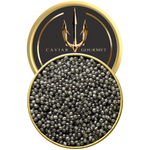
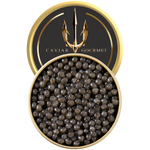
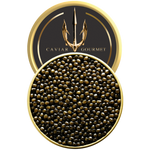
- Oscietra bietet das beste Verhältnis von Preis zu Geschmack, Beluga, wenn Sie beeindrucken möchten
- Ein großzügiger Esslöffel (etwa 30 g) pro Person ist die richtige Portion
- Die gesamte Kochzeit beträgt 12 Minuten, einschließlich des Aufkochens des Pastawassers

Die Zutaten
Für 2 Personen
- 200 g hochwertige getrocknete Spaghetti (bronzegezogen, falls erhältlich)
- 80 g ungesalzene Butter
- 1 kleine Zitrone, Abrieb und ein kleiner Spritzer Saft
- 60 g Kaviar (Oscietra empfohlen)
- Meersalz für das Pastawasser
- Frisch gemahlener schwarzer Pfeffer, optional
- Eine kleine Handvoll fein geschnittener Schnittlauch, optional
Das ist alles. Kein Knoblauch, kein Parmesan, keine Sahne. Der Kaviar ist die Würze. Alles andere konkurriert mit ihm.
Bronzegezogene Pasta hat eine rauere Oberfläche, die Butter besser hält als glatte, modern extrudierte Formen. Falls Sie sie nicht finden, eignen sich normale Spaghetti einwandfrei. Verwenden Sie nur nicht die dünne, zerbrechliche Sorte, Sie möchten eine Nudel mit etwas Biss.
Die Methode, Schritt für Schritt
Schritt 1: Das Wasser richtig salzen
Bringen Sie einen großen Topf Wasser zum sprudelnden Kochen. Geben Sie Salz hinzu, bis es wie das Meer schmeckt, etwa ein Esslöffel pro Liter. Dies ist die einzige Würze, die die Pasta erhält, also seien Sie nicht zurückhaltend.
Geben Sie die Spaghetti hinein und kochen Sie sie bis eine Minute unter die auf der Packung angegebene Al-dente-Zeit. Sie möchten einen spürbaren Biss, wenn Sie einen Strang herausziehen und biegen.
Schritt 2: Die Butter bräunen
Während die Pasta kocht, schmelzen Sie die Butter in einer breiten Pfanne bei mittlerer Hitze. Überstürzen Sie das nicht. Die Butter schäumt zunächst, beruhigt sich dann und beginnt schließlich nussig zu duften. Beobachten Sie die Farbveränderung am Pfannenboden, Sie suchen goldbraune Sprenkel von Milchfeststoffen, keine schwarzen.
Der gesamte Vorgang dauert 4 bis 5 Minuten. In dem Moment, in dem es nach gerösteten Haselnüssen duftet, nehmen Sie sie von der Hitze. Verbrannte Butter ist bittere Butter, und es gibt keine Rettung.

Schritt 3: Verbinden und leicht abkühlen lassen
Stellen Sie 100 ml des Pastawassers vor dem Abgießen beiseite. Gießen Sie die Pasta ab und geben Sie sie direkt in die Pfanne mit der braunen Butter. Schwenken Sie sie mit einer Zange.
Geben Sie den Zitronenabrieb und einen kleinen Spritzer Saft hinzu. Lockern Sie mit ein bis zwei Esslöffeln des zurückbehaltenen Pastawassers auf, bis die Spaghetti glänzend aussehen, nicht trocken. Auf Salz abschmecken.
Warten Sie nun 90 Sekunden. Die Pasta muss unter 60 °C fallen, bevor der Kaviar sie berührt. Wenn Sie Kaviar auf dampfend heiße Pasta löffeln, gart die Hitze die Eier teilweise und macht die Textur kreidig. Dies ist der mit Abstand häufigste Fehler, den Menschen machen.
Schritt 4: Anrichten und garnieren
Drehen Sie die Spaghetti mit einer Zange und einer Schöpfkelle zu Nestern auf warmen Tellern. Formen Sie eine kleine Mulde in der Mitte jedes Nests.
Geben Sie etwa 30 g Kaviar in jede Mulde. Rühren Sie ihn nicht unter. Der Texturkontrast zwischen heißer Pasta und kaltem Kaviar macht die Hälfte des Gerichts aus.
Streuen Sie Schnittlauch darüber, falls verwendet. Mahlen Sie eine winzige Menge schwarzen Pfeffer an den Tellerrand, niemals auf den Kaviar selbst. Sofort servieren.
Tipps für das richtige Gelingen
Der Pastawasser-Trick ist entscheidend. Stärkehaltiges Pastawasser emulgiert die Butter und hilft ihr, an jedem Strang zu haften. Ohne es sammelt sich die Butter am Tellerboden und die Spaghetti werden trocken.
Ersetzen Sie die braune Butter nicht. Einfach geschmolzene Butter schmeckt neben Kaviar fad. Die Maillard-Reaktion beim Bräunen erzeugt die Nussigkeit, die dieses Gericht zum Singen bringt. Sie kostet vier zusätzliche Minuten und verändert alles.
Zurückhaltung beim Salz am Ende. Kaviar ist salzig. Wenn Sie das Pastawasser richtig gesalzen und Butter hinzugefügt haben, brauchen Sie wahrscheinlich kein zusätzliches Salz. Schmecken Sie ab, bevor Sie zu den Salzflocken greifen.
Wärmen Sie die Teller vor. Kalte Keramik tötet den Temperaturkontrast. Lassen Sie 30 Sekunden lang heißes Leitungswasser über die Teller laufen, während die Pasta fertig wird, und trocknen Sie sie dann ab. Die Pasta kommt warm an, der Kaviar kommt kalt an, und wer isst, erlebt beides zugleich.
Servieren Sie schnell. Dies ist kein Gericht, das gut steht. Fünf Minuten nach dem Anrichten beginnt die Textur nachzulassen. Essen Sie es, solange die Butter noch glänzt und der Kaviar noch fest ist.
Variationen und Speiseempfehlungen
Mit Beluga: Verwenden Sie 40 g Beluga pro Person und lassen Sie den Schnittlauch ganz weg. Beluga hat den zartesten Geschmack aller Kaviarsorten, und Sie möchten ihn nicht überlagern. Dies ist die Variante, die wir bei privaten Dinners servieren.
Mit Kaluga: Kaluga verträgt die braune Butter wunderbar. Außerdem ist es die erschwinglichste Möglichkeit, dieses Gericht zu einer Sache für einen gewöhnlichen Dienstagabend statt zu einem besonderen Anlass zu machen. Entdecken Sie Royal Imperial bei Beleaev.
Mit Oscietra: die Standardwahl. Nussiger Kaviar auf nussiger Butter. Buttrige Pasta. Alles spiegelt alles andere wider. Es ist die Variante, die wir Kaviar-Neulingen empfehlen.
Wein: eine kalte Flasche trockener Champagner oder ein mineralischer weißer Burgunder. Vermeiden Sie alles Schwere oder im Holzfass Ausgebaute, es würde den Kaviar ertränken.
Die vollständige Logik der Speiseempfehlungen erläutert unser Ratgeber zu Champagner und Kaviar: was funktioniert und warum.
Häufig gestellte Fragen
Kann ich Kaviar verwenden, der seit einigen Tagen geöffnet ist?
Ja, innerhalb von 48 Stunden nach dem Öffnen. Halten Sie die Dose mit Frischhaltefolie verschlossen, die direkt auf die Oberfläche des Kaviars gedrückt wird, und bewahren Sie sie im kältesten Teil Ihres Kühlschranks auf. Nach 48 Stunden beginnt sich die Textur zu verschlechtern und der Geschmack wird fad. Verwenden Sie für dieses Gericht keinen gefrorenen oder konservierten, pasteurisierten Kaviar, der Texturunterschied ist entscheidend.
Welcher Kaviar eignet sich am besten für Pastagerichte?
Oscietra ist die Allrounder-Wahl. Er ist nussig, fest und hält der Butter stand. Kaluga folgt dicht dahinter und ist preislich zugänglicher. Beluga funktioniert, ist aber übertrieben, Sie zahlen einen Aufpreis für einen zarten Geschmack, der von der braunen Butter teilweise überdeckt wird.
Warum wird Kaviar auf heißer Pasta kreidig?
Hitze über 60 °C beginnt, die Proteine in den Eiern zu denaturieren, ähnlich wie es einem Eigelb beim Garen ergeht. Die Perlen verlieren ihren Biss und entwickeln eine leicht kreidige, körnige Textur. Deshalb lässt man die Pasta etwas abkühlen und gibt den Kaviar im allerletzten Moment hinzu.
Kann ich dies mit gewöhnlichem Lachsrogen statt Kaviar zubereiten?
Das können Sie, und das Gericht wird trotzdem gut, nur anders. Lachsrogen (Ikura) ist größer, oranger und eher herzhaft-süß als salzig. Er passt wunderbar zu brauner Butter, ist aber ein anderes Gericht, keine günstige Variante. Verwenden Sie 80 g pro Person, falls Sie ihn ersetzen.
Weiterführende Lektüre
Es gibt einen Grund, warum dieses Gericht auf der Speisekarte nahezu jedes mit einem Michelin-Stern ausgezeichneten Restaurants von Mayfair bis Mailand steht. Fünf Zutaten. Zwölf Minuten. Und ein Ergebnis, das schmeckt, als hätte es eine Stunde gedauert.
Entdecken Sie die Kaviar-Kollektion von Beleaev, den perfekten Begleiter zu dieser Pasta, auf beleaev.com.
Beleaev ist ein internationales Kaviar- und Feinkosthaus mit Sitz in London und Logistikzentren im Vereinigten Königreich, in Europa, den Vereinigten Arabischen Emiraten und den Vereinigten Staaten. Wir liefern verantwortungsvoll gezüchteten Beluga-, Oscietra-, Sevruga- und Kaluga-Kaviar innerhalb von 24 bis 48 Stunden an Kunden in jeder Region.


 447706084493

