


Foie Gras Terrine: A Christmas Classic
By Beleaev Family | Beleaev Caviar & Gourmet | beleaev.com
Foie gras terrine is the dish that gets served at every proper French Christmas Eve dinner. Sliced thin, on toasted brioche, with a glass of Sauternes. It's been the same format for 200 years and shows no sign of changing.
The technique requires patience but not skill. You cure the foie gras with salt, sugar, and spice for 24 hours. You bake it gently in a bain-marie. You press it under weight. You rest it for at least 48 hours before slicing. Total time: 3-4 days, of which active cooking is around 90 minutes.
The result is a smooth, dense, deeply flavoured terrine that costs around £15 per portion to make at home and would cost £35-45 in a French restaurant. It also keeps for 7 days in the fridge, so a single terrine can serve as Christmas Eve, Boxing Day, and the lunch on the 27th.
Key Takeaways
- Use grade A whole foie gras, not slices
- Cure for 24 hours with salt, sugar, and spice before cooking
- Bake gently in a bain-marie at 90C for 30-40 minutes
- Press under weight for 24 hours
- Rest 48 hours minimum before slicing, the flavour deepens
The Ingredients
Makes 1 terrine, around 500g, serves 10
For the terrine:
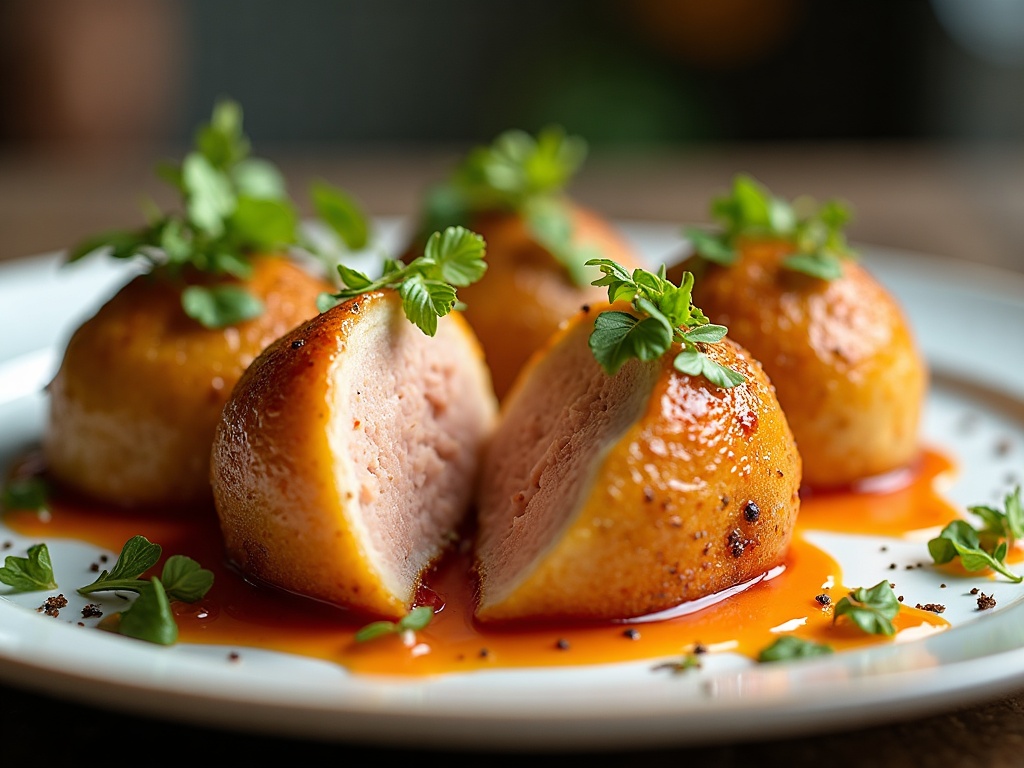
- 500g whole grade A foie gras (1 lobe), at room temperature
- 7g fine sea salt (1.4% of foie weight)
- 2g caster sugar
- 1g freshly ground white pepper
- 1g freshly grated nutmeg
- 30ml port or Sauternes
- 1 tsp Armagnac or Cognac
For serving:
- Toasted brioche slices
- Fig jam or onion confit
- Maldon sea salt flakes
- Sauternes or Tokaji wine
The foie gras must be a whole lobe, not slices. The lobe will weigh 450-550g typically. Buy from a specialist French charcuterie or a UK importer who deals directly with French producers. Grade A is essential, the texture must be uniform with no bruising or discolouration.
The Method, Step by Step
Step 1: Devein the Foie Gras
Bring the foie gras to room temperature for 1 hour. Place on a clean board.
Carefully separate the two lobes. Using a small sharp knife and your fingers, gently follow the network of veins running through each lobe and remove them. Don't worry if the lobes break into pieces during this process, they'll come back together in the terrine.
This step takes 20-30 minutes the first time you do it. With practice, it speeds up.
Step 2: Cure for 24 Hours
Place the deveined foie gras in a non-reactive bowl. Sprinkle with the salt, sugar, white pepper, and nutmeg. Pour over the port and Armagnac.
Mix gently with your hands to coat. Cover with cling film and refrigerate for 24 hours.
Step 3: Pack the Terrine
Take the cured foie gras out of the fridge 30 minutes before cooking. Press into a small terrine mould (around 18cm long, 8cm wide, 6cm deep) lined with cling film overhang. Press firmly to remove air pockets.
Cover the top with the cling film overhang.
Step 4: Cook in a Bain-Marie
Preheat the oven to 90C (no fan). Place the terrine in a deeper roasting tin. Pour boiling water around the terrine to come halfway up the sides.
Bake for 30-40 minutes. The internal temperature should reach 50-52C at the centre. Use a probe thermometer.
Step 5: Press and Cool
Lift the terrine out of the bain-marie. Pour off any rendered fat into a separate bowl (save it, it's the best fat in existence for cooking).
Place a piece of cling film directly on the surface of the terrine. Place a wooden offcut or piece of cardboard cut to fit, and weight it with around 500g (a tin or two from the cupboard works).
Refrigerate, weighted, for 24 hours.
Step 6: Rest for 48 Hours
Remove the weight. Pour the reserved fat back over the top of the terrine to seal. Cover and refrigerate for at least 48 hours, ideally 72.
The flavour deepens and the texture firms during this rest. A freshly cooked terrine tastes raw and unbalanced. A 3-day-old terrine tastes complete.
Step 7: Slice and Serve
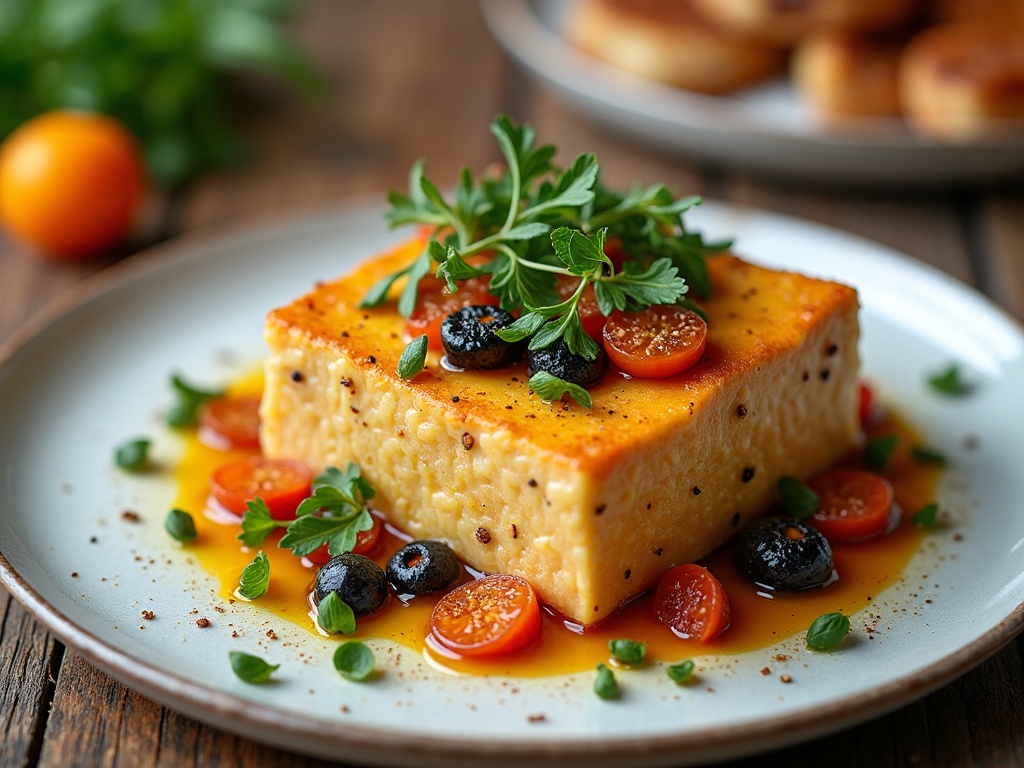
Slice the terrine with a hot knife (run under hot water and dry between slices) into 1cm-thick portions. Each slice is around 50g.
Serve on warm toasted brioche with a small spoon of fig jam and a few flakes of Maldon sea salt. Pour cold Sauternes alongside.
Tips for Getting It Right
The cure ratio matters. 1.4% salt by weight of foie is the textbook ratio. More than 2% is too salty. Less than 1% is under-seasoned. Always weigh accurately.
Don't skip the deveining. Veins in foie gras are unpleasant to bite into and ruin the smooth texture. The 30 minutes you spend deveining is essential.
Bain-marie temperature is critical. 90C in the oven gives gentle even heat. Higher temperatures denature the proteins and turn the texture grainy. Use a thermometer in the centre of the terrine, not the oven.
The 48-hour rest is non-negotiable. The flavour and texture both improve dramatically over the rest period. A terrine eaten the day it's cooked tastes only 60% as good as one rested 3 days.
Hot knife for slicing. A cold knife crushes and tears the terrine. Run the knife under hot tap water and wipe dry between every slice for clean cuts.
Variations and Pairings
With Sauternes only: Skip the Armagnac and use 30ml of Sauternes total. The terrine has a more delicate, sweet character.
With white truffle: Add 5g of finely grated fresh white truffle to the cure. The aroma carries through the whole terrine. Properly impressive for Christmas.
With caviar: Top each slice of terrine with a small spoon of Beleaev Oscietra and a tiny pinch of Maldon salt. Decadent but balanced.
With fig jam: Spread a small amount of homemade fig jam (figs, sugar, lemon, balsamic vinegar reduced for 30 minutes) on the brioche. The classic French Christmas pairing.
For more foie gras, see our pan-seared foie gras and foie gras with figs recipes.
Frequently Asked Questions
How long does foie gras terrine keep?
7 days in the fridge once made, with the fat seal intact. After cutting into the terrine, eat within 4 days. Always keep refrigerated below 4C.
Can I make foie gras terrine in advance for Christmas?
Yes, that's the whole point. Make it 3-5 days before Christmas Eve. The flavour peaks at 72 hours and stays at peak for another 4 days. Don't make it on the day, the texture and flavour will be off.
What should I serve with foie gras terrine?
Toasted brioche or pain d'épices (French gingerbread), fig jam or onion confit, a glass of cold Sauternes or Tokaji, and a few flakes of Maldon sea salt. Don't overcomplicate. The terrine is the star.
Can I use a slow cooker instead of a bain-marie?
Not really. A slow cooker doesn't give you the precise temperature control needed for foie gras terrine. The bain-marie at 90C is the proper method and the result depends on it.
Further Reading
A homemade foie gras terrine sliced thin on toasted brioche, with a glass of cold Sauternes, is one of those dishes that defines Christmas. Discover Beleaev's caviar collection, the elegant accompaniment to any luxury Christmas table, at Rougié Foie Gras. Browse the full collection at beleaev.com.
Beleaev is an international caviar and gourmet food company with fulfilment hubs across the UK, Europe, the UAE, and the United States. We are committed to sourcing responsibly farmed, sustainable products and delivering them to customers within 24 to 48 hours, ensuring exceptional freshness and quality.


 447706084493

