



French Duck Explained: Confit, Pâté, Terrine & Picanha
By Alex Beleaev | Caviar & Gourmet, London | beleaev.com
Duck is the bird the French built a whole larder around. Confit it slowly in its own fat and you get meat that falls off the bone. Blend the liver into a pâté and you have something to spread on warm toast. Press it into a terrine and slice it cold. Same bird, three classics, and not one of them is hard to serve at home.
So here is what duck confit, pâté and terrine actually are, where duck picanha and the humble leg fit in, and why "ethical" duck has become a phrase worth understanding before you cook with it.
Key Takeaways
- Confit means cooked slowly and gently submerged in fat, then kept in it
- Pâté is a smooth spread; a terrine is set firm and sliced cold
- Duck picanha is the prized rump cap, lean and quick to cook
- Ethical duck (FoieGood) is raised free range, cage free, with no force feeding
- Curious? Explore the Beleaev duck and foie gras collection
What Does Confit Actually Mean?
Confit is a method before it is a dish. The word comes from confire, to preserve, and that is exactly what it does.
Duck legs are salted, then cooked very slowly, fully submerged in fat, until the meat surrenders and pulls away from the bone. Traditionally the cooked legs were stored in that same fat, which sealed them from air and kept them for months. A clever bit of preservation from a time before refrigeration, and one that happens to taste extraordinary.
The result is duck that is tender right through, with skin that crisps in minutes under a hot grill or in a pan. Our duck confit comes ready-cooked and vacuum-packed in sixteen portions of around 87g, so the slow work is done. You simply crisp the skin and serve. It is the backbone of a proper cassoulet, and on its own with sautéed potatoes it is one of the great bistro plates.
Pâté vs Terrine: The Difference Most Guides Get Wrong
People use the two words as if they mean the same thing. They do not, and the distinction is simple once you have it.
A pâté is, at heart, a smooth spreadable preparation. Liver, seasoning, sometimes a splash of spirit, blended until creamy. You spread it. Our duck pâté spreadable is exactly this: a deep, savoury parfait you let warm for ten minutes out of the fridge, then spread on toasted sourdough with cornichons, or warm brioche with fig jam.
A terrine is set firm in a mould (the terrine is the dish it is cooked in), then turned out and sliced. The texture is coarser, the slices hold their shape, and you eat it cold. Our Terrine Smooth Duck & Orange blends pork, chicken and duck liver with a subtle citrus note running through it, sliced straight onto a board.
| Pâté | Terrine | Confit | |
|---|---|---|---|
| Texture | Smooth, spreadable | Firm, sliceable | Tender, pull-apart |
| Served | Cold, on toast | Cold, in slices | Hot, skin crisped |
| Best with | Cornichons, brioche | Country bread, pickle | Potatoes, cassoulet |
And then there is the rustic cousin of both. Our Pate Farmhouse is a handcrafted country pâté of pork and chicken livers, dense and hearty, with visible pieces of liver through it. A 1kg block that spreads happily on crackers or anchors a charcuterie board. Less refined than the duck parfait, and all the better for a casual table.
Duck Picanha and Duck Leg: The Cuts to Know
Most people know picanha as a beef cut, the prized rump cap loved in Brazil. Duck has its own version, and it deserves more attention than it gets.
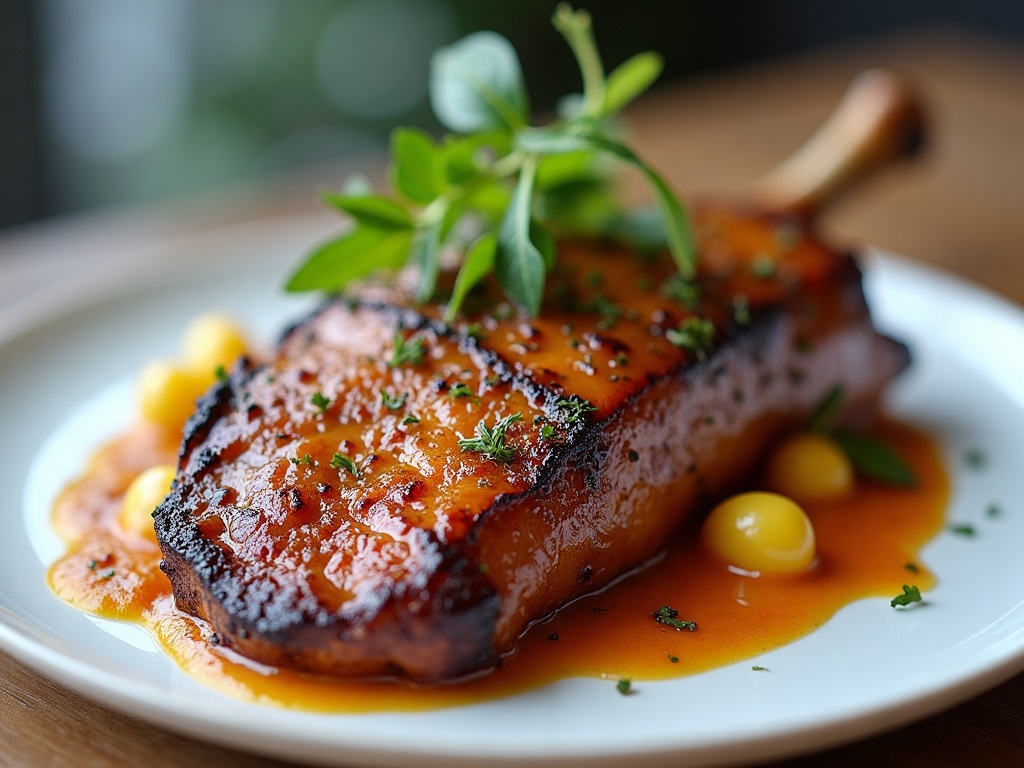
Duck picanha is the rump cap of the bird, around 300g per piece. It is leaner than the leg, with a generous fat cap that renders down beautifully. Score the fat, start it skin-side down in a cold dry pan, and let the heat draw the fat out slowly before you finish it pink. Rest it, then slice across the grain. It eats like a steak, which is precisely why it has crept onto restaurant menus.
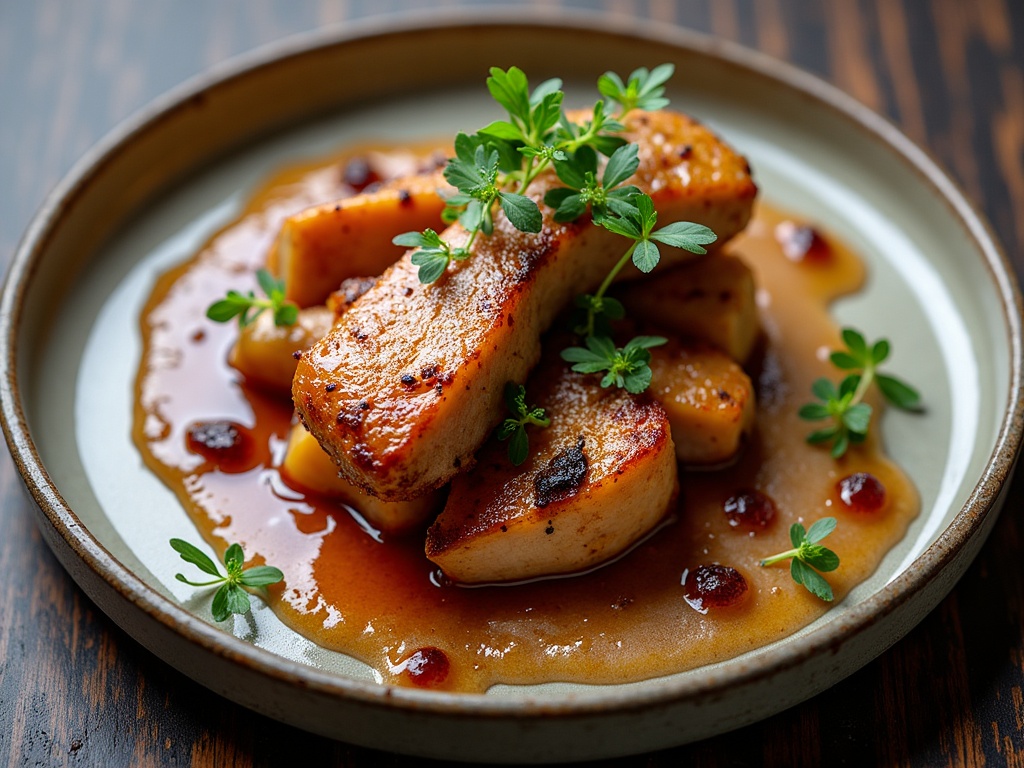
The duck leg, around 300g, is the workhorse. Roast it low and slow until the skin is lacquered and the meat gives way, or turn it into your own confit. It is forgiving, full of flavour, and frankly one of the better-value pieces of duck you can put on a plate.
What "Ethical Duck" Really Means
Here is a phrase worth understanding, because it is not marketing fluff.
Traditional foie gras production raises welfare questions that put a lot of people off duck altogether. The FoieGood range we carry answers them directly. The ducks are free range and cage free, with no force feeding, living outdoors with space to roam, open water access, and a fully plant-based diet of at least seventy per cent cereals. They grow slowly and naturally.
That matters for two reasons. The obvious one is welfare. The less obvious one is that you can serve duck confit, pâté and rich liver dishes to guests who would otherwise refuse them, and tell them honestly how the bird was raised. The savoury richness is all there. The welfare question is not.
Where Foie Gras Fits In
Duck and foie gras share a kitchen, so a word on the crossover.
Foie gras is the enriched liver, and it is a centrepiece in its own right rather than an everyday duck cut. We carry whole lobes for those who want to slice, sear or make their own terrine, including a 1st-grade whole lobe of around 525g and a deveined lobe of around 500g with the fiddly vein work already done.
If foie gras is what you are really after, our full guide covers goose versus duck, whole lobe versus bloc, and how to cook each one. Read the complete foie gras guide for the deep dive, then come back to duck for the everyday cooking.
FAQ
What is the difference between duck pâté and duck terrine?
A pâté is smooth and spreadable, eaten on toast or crackers. A terrine is set firm in a mould, turned out and sliced cold, with a coarser texture. Both can be made from duck liver; the difference is texture and how you serve them, not the core ingredient.
How do you cook ready-made duck confit?
The legs arrive already slow-cooked, so you only need to crisp them. Place skin-side up under a hot grill, or skin-side down in a dry pan, for a few minutes until the skin is golden and crackling and the meat is heated through. Serve with sautéed potatoes or in a cassoulet.
Is duck picanha the same as beef picanha?
No. Picanha refers to the rump cap, the prized cut over the rump. Beef picanha is the well-known Brazilian cut; duck picanha is the same area on the bird, leaner with a fat cap that renders down. You cook it like a small steak, finishing it pink and slicing across the grain.
What does "ethical" foie gras and duck mean?
It refers to ducks raised free range and cage free, with no force feeding, on a natural plant-based diet. The FoieGood range follows this method, so you get the rich flavour of confit, pâté and liver dishes while avoiding the welfare concerns of traditional production.
Bring French Duck to Your Table
Confit to crisp, pâté to spread, terrine to slice, picanha to sear. Four classics from one bird, and every one of them belongs on a good table.
Explore the Beleaev duck and foie gras collection, from the everyday duck leg to the ready-to-crisp duck confit and the spreadable duck pâté. When you are ready to buy, our companion guide covers how to choose and cook duck confit, pâté and terrine. Ethically raised, delivered frozen across the UK.


 447706084493

