
Blinis
£5.00
4.82/5 · 38 reviews
£5.00

£8.00

£6.00

£23.90

By Alex Beleaev | Beleaev Caviar & Gourmet | beleaev.com
The caviar itself is the easy part. It's already perfect. Your job is simply not to ruin it.
That might sound flippant, but it's the most honest advice anyone can give you. People are buying tins for dinner parties, anniversaries, New Year's Eve, and most of them are overthinking it.
Serving caviar well comes down to three things: temperature, presentation, and timing. Get those right and you'll look like you've been doing this for decades. Get them wrong, particularly temperature, and even the finest Oscietra will taste like a disappointment.
This guide covers everything from the ice beneath the tin to the champagne in the glass. Practical, specific, tested at hundreds of tastings across London.
Key Takeaways
- Serve caviar slightly below fridge temperature, around 6 to 8°C, on crushed ice
- Mother of pearl spoons only; metal causes a sulphur reaction that ruins flavour
- Budget 30-50g per person as a starter, 10-15g for a tasting
- Keep the original tin as your serving vessel
- Present caviar after the first drink but before heavier food
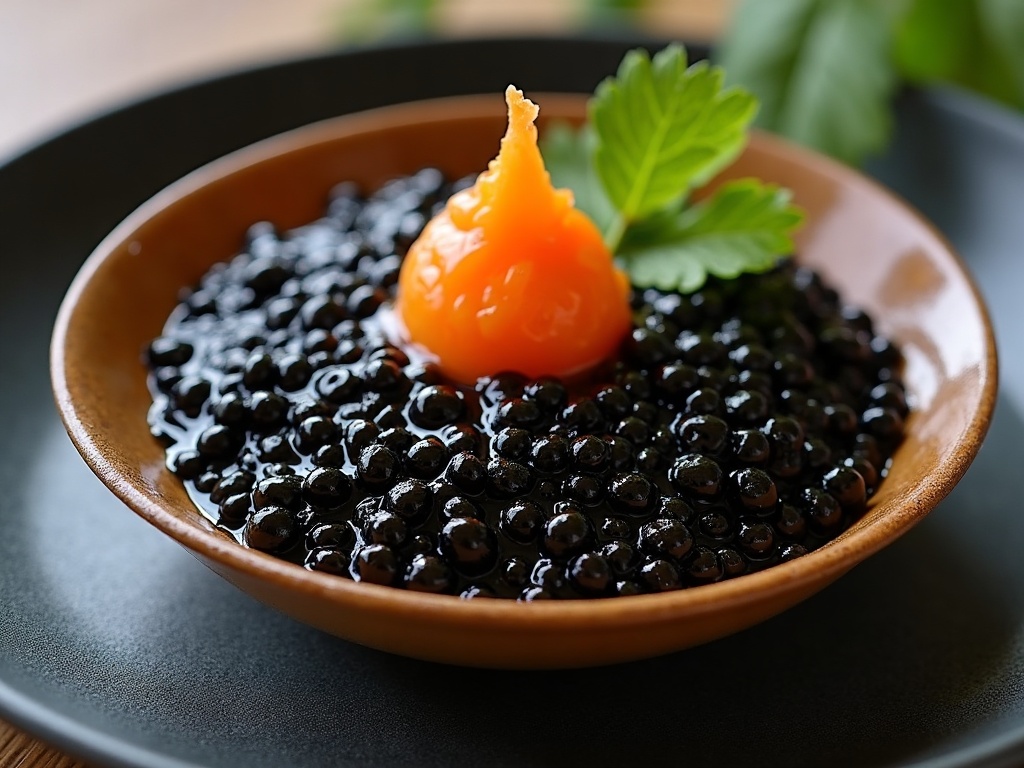
Your target is slightly below fridge temperature, around 6 to 8°C on the palate. Not ice-cold. Not room temperature. That narrow window.
Take the tin out of the fridge exactly 10 minutes before you plan to serve, then place it on a bed of crushed ice. The ice keeps it stable while the surface warms just enough to release those buttery, briny notes that make caviar worth the price.
Too warm is worse than too cold. Once caviar sits above 15°C, the fats degrade, the texture goes soft, and that clean ocean finish turns fishy. If you remember nothing else from this guide, remember the ice.
Don't open it early to "let it breathe." Caviar isn't wine. Oxygen is the enemy. The moment you break that seal, the clock starts. Wait until your guests have arrived, drinks are poured, and everyone's ready.
This surprises people. You don't need to transfer caviar into a crystal bowl or porcelain dish. The tin itself, sitting on crushed ice, is the proper presentation. It's how every serious restaurant serves it.
Transferring means touching it, pressing it, potentially crushing those delicate eggs. The tin looks elegant, keeps the product protected, and signals to your guests that you know what you're doing.
Resist the urge to heap caviar onto plates. Put the tin out, provide proper spoons, and let people help themselves in small amounts. They'll come back three or four times, each time appreciating it more.
Good news: very little.
Non-negotiable. Silver and stainless steel react with the roe, creating a bitter, metallic taste that masks everything delicate about the caviar. Mother of pearl is inert and won't react with the eggs. Bone and gold spoons work too, but mother of pearl is the standard for a reason.
A good set costs less than a single tin of caviar. Worth the investment if you plan to serve more than once.
You need a serving bowl large enough to hold crushed ice with the tin set on top. Glass works well. A proper caviar server with a built-in ice compartment is lovely if you have one, but a simple mixing bowl does the job perfectly.
Crushed ice, not cubes. Cubes shift and the tin slides around. Crushed ice moulds to the tin's shape and keeps the temperature even.
Small plates for guests. Cocktail napkins. Accompaniments in their own small bowls. That's it. The simplicity of the setup is itself a statement. A single tin on ice with pearl spoons communicates confidence. An overcomplicated spread communicates insecurity.
Centre of the table: a glass bowl of crushed ice with the tin sitting proudly on top. Around it, arranged in small dishes:
| Accompaniment | Purpose | Prep Notes |
|---|---|---|
| Blinis (warm) | Base for caviar | Heat 5 min before serving, keep wrapped |
| Creme fraiche | Creamy contrast | Full-fat only, served cold |
| Chopped hard-boiled egg | Traditional garnish | Whites and yolks separated |
| Fresh chives, finely snipped | Herbal brightness | Cut just before serving |
A quiet opinion: with truly premium caviar, blini and creme fraiche are wonderful. The egg and onion? They can compete rather than complement. But guests enjoy choosing, and the ritual of building your own bite is half the pleasure.
Warm them. Please. A cold blini is sad. A warm blini is pillowy and slightly yeasty and catches the caviar beautifully. Five minutes in a low oven, wrapped in foil. That's all it takes.
Tin on ice. Mother of pearl spoons. Champagne. Nothing else.
This is how many chefs and caviar professionals prefer it. For Beluga and top-grade Oscietra, honestly, it's the better approach. These caviars have such complexity (layers of flavour shifting from buttery to briny to nutty) that accompaniments dilute rather than enhance.
For Sevruga and more affordable varieties, the classic presentation with accompaniments adds welcome dimension.
| Occasion | Per Person | 4 Guests | 6 Guests | 8 Guests |
|---|---|---|---|---|
| Tasting/amuse-bouche | 10-15g | 50g tin | 75g | 100g |
| Starter course | 30-50g | 125g | 200g | 250g |
| Caviar-focused event | 50-100g | 250g | 400g | 500g |
A 50g tin serves four people comfortably as a tasting, or two as a generous starter. When in doubt, buy more than you think you need. Leftover caviar keeps 2-3 days once opened (press cling film against the surface to minimise air contact).
We've catered dozens of private dinners and the single most common feedback is "we should have ordered more." Budget for the upper end.
Serve caviar after your guests have had their first glass of champagne but before any substantial food. Palates are fresh, spirits are up, and the caviar gets the attention it deserves. For a cocktail evening, serve it within the first hour while people are still tasting rather than just eating.
Thirty minutes maximum. After that, even on ice, the quality starts to decline. Present it with a bit of ceremony, let everyone enjoy it, then clear it.
| Task | Prep Ahead? | When to Prep |
|---|---|---|
| Boil and chop eggs | Yes | Up to 4 hours ahead, refrigerate |
| Dice red onion | Yes | Up to 2 hours, rinse and cover |
| Snip chives | Last minute | They oxidise quickly |
| Warm blinis | Almost | Heat 5 minutes before serving |
| Open the tin | Never early | Only when guests are ready |
| Crush ice | Yes | 30 minutes ahead, keep in freezer |
| Chill champagne | Yes | 3-4 hours in fridge or 20 min in ice bucket |
Champagne is the classic. Brut works beautifully, but the real match is Blanc de Blancs, whose mineral, almost saline quality mirrors caviar's ocean notes. You don't need prestige cuvees. A good grower champagne at £30-40 pairs superbly.
Vodka served ice-cold and unflavoured in small glasses cleanses the palate completely between bites, letting each spoonful taste like the first. Keep the bottle in the freezer.
Dry white wine rounds out the options. Chablis is the go-to. Sancerre works. Bone-dry whites with minerality that complement without fighting.
| Avoid | Why |
|---|---|
| Red wine | Tannins clash horribly with roe |
| Aromatic whites | Too perfumed, overwhelms the caviar |
| Cocktails | Sugar and citrus destroy the palate |
| Sweet wines | Richness on richness, no contrast |
Opening the tin too early is the most common error. Oxygen degrades caviar. Every minute the tin sits open is a minute of flavour loss. Wait until everyone's gathered, drinks poured, everything ready. Then open with a bit of theatre.
Overcomplicating the accompaniments comes a close second. Twelve garnishes don't make you a better host. They make the caviar an afterthought. Two or three, chosen well, served simply.
Not buying enough catches people every time. Guests who've never tried caviar take a polite first portion. Then, once they realise what they've been missing, they want significantly more. Budget for the upper end of the portion range.
Serving at room temperature ruins everything. Caviar that's been sitting out for an hour has lost the plot. It'll be soft, overly fishy, and nothing like what you paid for. Ice. Always.
But the biggest mistake isn't any technical error. It's anxiety. Hosts who are visibly nervous about "doing it right" transfer that tension to their guests. The best caviar hosts are relaxed. They open the tin, hand over the spoons, and say "help yourselves." Confidence is the secret ingredient.
Shop the Beleaev caviar collection, responsibly farmed, CITES-certified, with next-day UK delivery.
Beluga · Oscietra · Baeri · Tasting Sets · Shop all
Maximum 30 minutes on crushed ice, less without. Once caviar warms above 15°C, the delicate fats begin to degrade and the texture softens. Serve it, enjoy it, clear it -- and at Beleaev, we're always happy to help you choose.
You can, but blinis are the traditional and superior choice. Toast points (white bread, crusts removed, lightly toasted) are a respectable alternative. Avoid anything strongly flavoured or seeded. The carrier should complement, never compete.
Before or during the early courses, never after. Caviar demands a fresh palate. Serve it after welcome drinks but before rich or heavily seasoned dishes.
For four guests with caviar as a starter, 125g is the comfortable minimum, roughly 30g each. Our advice: buy one size up from whatever your calculation says. Running out is the one hosting mistake you can't fix on the night.
Keep it cold. Keep it simple. Keep it confident.
A tin on crushed ice, mother of pearl spoons, warm blinis and creme fraiche alongside, champagne in the glasses. That's a complete caviar service. Everything else is optional, enjoyable perhaps, but optional.
The fact that you've read this far means you care about doing it properly. That care already puts you ahead of most hosts. Now go open a tin and prove it.
Explore our caviar collection and mother-of-pearl spoons to serve it the way it deserves.
Beleaev Caviar & Gourmet is an international caviar and gourmet company sourcing responsibly farmed Baeri, Oscietra, Imperial and Beluga caviar, delivered within 24-48 hours. Next-day delivery across the United Kingdom.

 447706084493


