


By Beleaev Family | Beleaev Caviar & Gourmet | beleaev.com
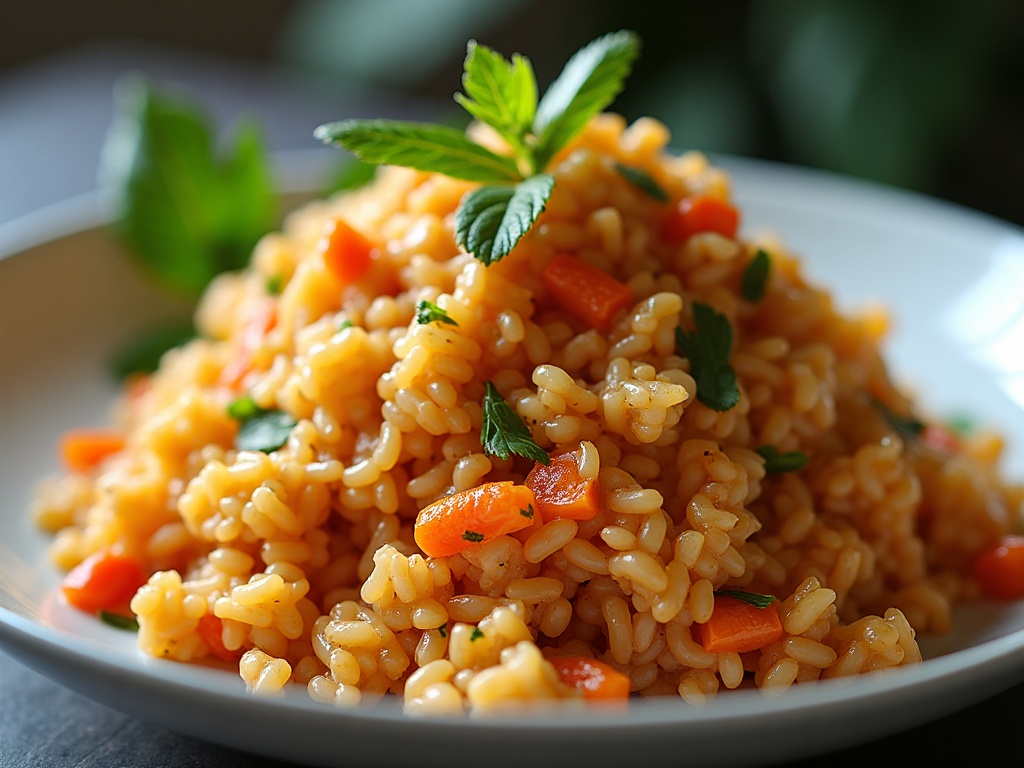
Crab fried rice is the dish that justifies keeping leftover takeaway rice in the fridge. Day-old jasmine rice, hot wok, generous white crab meat, ginger, spring onion, soy. Total work time, 12 minutes. The result is one of the great Asian comfort dishes.
Most home cooks make this with freshly cooked rice and end up with mush. The single most important rule of fried rice is the rice itself: cold, dry, day-old. Fresh rice is too wet and clumps together. Day-old rice has lost surface moisture and the grains separate cleanly under heat.
The crab quality matters just as much. Fresh white crab meat from a good fishmonger gives you sweet chunks that hold their shape in the wok. Pasteurised tinned crab disintegrates into mush.
Key Takeaways
- Use day-old jasmine rice, never freshly cooked
- Cook in a hot wok or large pan, never on low heat
- Add the crab last, after the rice is hot, to keep texture
- Use light soy sauce for colour, fish sauce for depth
- Don't overcrowd, fry in 2 batches if pan is small
The Ingredients
Serves 2
- 300g cooked jasmine rice (cooked yesterday, refrigerated)
- 200g fresh white crab meat
- 2 large eggs, beaten
- 3 tbsp neutral oil (sunflower or rapeseed)
- 4 spring onions, white and green parts separated, finely sliced
- 1 small fresh red chilli, finely sliced
- 1 tbsp finely grated fresh ginger
- 2 garlic cloves, finely sliced
- 1.5 tbsp light soy sauce
- 1 tsp fish sauce
- 1 tsp toasted sesame oil
- 1 lime, cut into wedges
- A small handful of fresh coriander leaves
- Sea salt and white pepper
The rice variety matters. Jasmine rice has the right firmness and aroma. Avoid basmati (too dry and fragrant), short-grain Japanese (too sticky), or Carolina long-grain (too soft). For best results, cook the rice the day before, fluff with a fork while warm, spread on a tray, cool, then refrigerate uncovered overnight.
The Method, Step by Step
Step 1: Prepare All Ingredients
This dish cooks fast. Have everything chopped, measured, and ready before you turn on the hob.
Loosen the cold rice with your fingers, breaking up any clumps. The grains should be separate and slightly dry-looking on the surface.
Beat the eggs lightly with a small pinch of salt.
Step 2: Scramble the Eggs
Heat 1 tablespoon of oil in a wok or large heavy pan over high heat. When the oil shimmers, pour in the beaten egg. Let it set for 10 seconds, then scramble loosely with a wooden spoon. Cook to just-set, around 30 seconds total.
Tip the eggs onto a plate. Wipe the wok briefly.
Step 3: Stir-Fry the Aromatics
Heat 2 tablespoons of oil in the wok over high heat. When smoking, add the garlic, ginger, and white parts of the spring onions. Stir-fry for 30 seconds until aromatic.
Add the chilli. Stir for another 10 seconds.
Step 4: Add the Rice
Tip the cold rice into the wok. Press it flat with a wooden spoon for 30 seconds, letting it sear and crisp on the bottom. Then break up and toss with the wooden spoon.
Continue tossing for 2-3 minutes until every grain is coated with oil and lightly toasted. The rice should look glossy and slightly golden, not pale.
Step 5: Add Seasoning and Crab
Drizzle the soy sauce and fish sauce around the edge of the wok (not into the centre, the edges are hottest and the sauce caramelises briefly before joining the rice).
Toss to combine. Taste. Adjust with more soy or fish sauce if needed.
Return the scrambled eggs to the wok. Add the white crab meat. Toss gently for 60 seconds, just enough to warm the crab through without breaking up the chunks.
Step 6: Finish and Serve
Take off the heat. Drizzle the toasted sesame oil. Scatter the green parts of spring onions and coriander leaves. Crack a small amount of white pepper.
Plate into warm bowls. Serve with lime wedges on the side. Eat immediately.
Tips for Getting It Right
Day-old rice is non-negotiable. Freshly cooked rice has too much surface moisture and turns to mush in the wok. The 24-hour rest in the fridge dries the grains and makes them crispy and separate when fried.
Hot wok, no shortcuts. Fried rice is a high-heat dish. The wok should be smoking before you add anything. If your hob isn't powerful enough, fry in smaller batches to maintain heat.
Don't add the crab early. White crab meat overcooks in seconds. Add at the very end, just to warm through. Adding earlier turns the crab into rubbery little fragments.
Soy around the edge, not the centre. Pouring soy directly onto the rice creates wet patches. Drizzling around the edge of the hot wok lets the soy briefly caramelise before mingling with the rice, producing a deeper savoury flavour.
Don't crowd the wok. If your wok is small, divide and fry in 2 batches. Crowded ingredients steam each other instead of frying, producing wet, sad rice.
Variations and Pairings
With caviar topping: Add a small spoon (10g) of Beleaev Wild Salmon Roe on top of each portion. The salty pop against the savoury rice is exceptional. Sounds odd, works wonderfully.
With prawns: Add 100g of cooked prawns alongside the crab. Doubles the seafood and turns the dish into a more substantial meal.
With Thai basil: Replace coriander with Thai basil for a more aromatic Bangkok-style version. Add 1 tsp fish sauce for the proper Thai depth.
Pineapple variant: Add 100g of fresh pineapple chunks during the rice stage. The sweet-savoury combination is a Cantonese classic.
Wine pairing: A chilled Riesling, an off-dry Gewürztraminer, or an ice-cold Asian beer.
For more crab dishes, see our Singapore chilli crab and crab linguine recipes.
Frequently Asked Questions
Can I use freshly cooked rice?
Not really. Freshly cooked rice has too much moisture and clumps together in the wok. If you absolutely must use fresh rice, spread it on a baking tray and let it cool to room temperature, then refrigerate for at least 1 hour. The texture won't be as good as 24-hour rest, but it'll work.
What's the right pan if I don't have a wok?
A large heavy frying pan (28-30cm) works as a substitute. Cast iron is the best alternative. Avoid non-stick, the temperatures needed for proper fried rice damage non-stick coatings.
Can I use brown crab meat?
Yes but only a small amount (around 30g mixed with 170g white meat). Brown crab is too rich and dense for fried rice. The white meat gives you the right textural chunks. Brown meat just adds depth.
How much crab per person?
For a main-course portion of fried rice, 80-100g of white crab meat per person is generous. For a side dish or starter portion, 50g per person. Don't go heavier than 100g per person, the rice should still be the dominant element.
Further Reading
A wok of crab fried rice on a Tuesday evening is one of those midweek dinners that feels indulgent without effort. Discover Beleaev's wild salmon roe collection, a surprising topping for fried rice, at beleaev.com.
Beleaev is an international caviar and gourmet food company with fulfilment hubs across the UK, Europe, the UAE, and the United States. We are committed to sourcing responsibly farmed, sustainable products and delivering them to customers within 24 to 48 hours, ensuring exceptional freshness and quality.
 447706084493

