


Classic Blinis with Caviar: The Recipe That Started It All
By Beleaev Family | Beleaev Caviar & Gourmet | beleaev.com
Blinis with caviar is the dish that built the entire luxury food industry. Long before lobster rolls or wagyu burgers, there was a Caspian peasant pancake topped with sturgeon eggs, and people would pay a small fortune to eat it.
The recipe hasn't changed much in 200 years. Buckwheat flour, yeast, milk, eggs, butter. A small dollop of crème fraîche to bridge the warmth of the blini with the cold pop of the caviar. That's it. The simplicity is precisely the point.
If you're new to caviar, this is where to start. If you've been eating it for years, this is where to come back to. There's a reason every Michelin-starred restaurant from Mayfair to Monaco still serves a version of this exact pairing.
Key Takeaways
- Buckwheat flour is the non-negotiable ingredient, plain pancakes won't do
- Yeast batter needs 30 minutes minimum to rise, plan ahead
- Cook blinis at 5-6cm diameter, no bigger
- Top with crème fraîche FIRST, caviar second, never the other way round
- Serve warm, not hot, heat above 60C cooks the caviar pearls

The Ingredients
Makes 25-30 small blinis, serves 6 as a starter
For the blinis:
- 100g buckwheat flour
- 50g plain white flour
- 1 tsp dried active yeast
- 1 tsp caster sugar
- 200ml whole milk, warmed to lukewarm
- 1 large egg, separated
- 25g unsalted butter, melted, plus extra for the pan
- 1/2 tsp fine sea salt
For topping:
- 150g crème fraîche
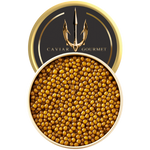
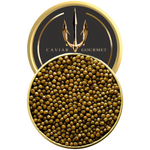
- 60-80g caviar (Oscietra recommended for the classic version)
- A small handful of finely sliced chives, optional
The buckwheat flour is what makes a blini a blini, not a tiny pancake. You'll find it in most UK supermarkets, usually in the free-from aisle since buckwheat is naturally gluten-free.
For the crème fraîche, full-fat is essential. Half-fat goes thin and watery against the caviar. Buy the French version if you can find it, it has a denser, tangier character than UK supermarket own-brand.
The Method, Step by Step
Step 1: Activate the Yeast
Warm the milk gently on the hob to roughly 37C, body temperature. Test with a clean finger, it should feel barely warm, not hot. Too hot and you kill the yeast, too cold and it won't activate.
Sprinkle the yeast and sugar over the milk. Stir once, then leave for 5 minutes. The surface should foam slightly. If nothing happens after 10 minutes, your yeast is dead. Bin it and start again with fresh.
Step 2: Make the Batter
Whisk the buckwheat flour, plain flour, and salt together in a large bowl. Pour in the yeast-milk mixture and the melted butter. Whisk until smooth, the consistency should be like thick double cream.
Stir in the egg yolk. In a separate clean bowl, whisk the egg white to stiff peaks. Fold the white into the batter gently with a spatula, keeping as much air as possible.
Cover with a clean tea towel and rest somewhere warm for 30 minutes. The batter will puff up with small bubbles on the surface.
Step 3: Cook the Blinis
Heat a non-stick pan or flat griddle over medium heat. Not high. Medium. Add a small knob of butter and let it foam.
Drop tablespoons of batter into the pan, spaced apart. Each blini should be about 5-6cm across, no bigger. Don't spread the batter, let it find its own shape. Cook for 90 seconds until small bubbles form on the surface and the edges look set.
Flip with a palette knife and cook for 60 seconds on the second side until golden. Transfer to a plate lined with kitchen paper. Add a tiny knob of butter before each new batch.

Step 4: Assemble and Serve
The ideal serving temperature is warm, not hot. Let the blinis rest for 2-3 minutes after the last batch comes out of the pan. If they cool too much, reheat at 150C for 3 minutes loosely covered with foil.
Place each blini on a serving plate. Add a small dollop of crème fraîche, around a teaspoon. Top with caviar, around 2-3g per blini. Scatter chives if using.
Don't pre-assemble more than you'll eat in 2 minutes. Blinis go soft once topped, and caviar changes texture on warm moist surfaces.
Tips for Getting It Right
The batter consistency is everything. Too thick and your blinis are dense. Too thin and they spread thin and won't hold a topping. Aim for thick double cream, and adjust with a splash of milk after rising if needed.
Don't skip the egg white. Folding in whisked egg white is the difference between a proper blini and a sad buckwheat disc. The trapped air gives them their characteristic light interior.
Medium heat, always. The temptation is to crank the heat to cook them faster. Don't. Medium gives you even golden colour and a soft centre. High heat gives you burnt edges and raw middles.
Crème fraîche before caviar, never after. The cream creates a barrier between the warm blini and the cold caviar, protecting the pearls from heat. Reverse the order and the caviar partially cooks on the warm surface, going chalky.
Don't shape the blinis with a ring. Let the batter find its own shape in the pan. The slightly irregular edges are part of the visual charm and the texture.
Variations and Pairings
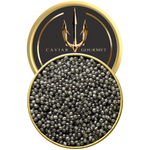
With Beluga: Use 80g of Beluga across the platter and skip the chives. Beluga is the most delicate caviar and you don't want anything competing with it. This is the version we serve at private dinners. Discover Beluga XXL Special Reserve at Beleaev.
With Kaluga: A more affordable way to enjoy this dish on a regular basis. Kaluga has bigger pearls and a slightly buttery character that pairs beautifully with the warmth of fresh blinis.
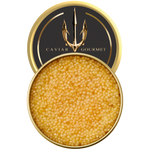
With salmon roe: Use 120g of salmon roe (ikura) across the platter. The flavour is sweeter and more savoury than sturgeon caviar, and it's a fraction of the price. Good for serving 12 or more guests.
Wine pairing: Champagne is the textbook choice. A good Blanc de Blancs has the acidity to cut through the cream and the elegance to match the caviar. Frozen vodka also works, particularly Grey Goose or Beluga vodka, served in shot glasses.
For the full pairing logic, see our champagne and caviar guide.
Frequently Asked Questions
Can I make blinis in advance?
Yes. Cook them, cool completely, then stack between sheets of greaseproof paper. They keep in the fridge for 24 hours or in the freezer for up to a month. Reheat from the fridge at 150C for 3-4 minutes loosely wrapped in foil. From frozen, allow 6-7 minutes. Don't microwave them, the texture goes rubbery.
What's the right caviar to blini ratio?
For a starter, plan 4-5 blinis per person and around 30g of caviar per guest. For a main canapé alongside other items, 2-3 blinis per person and 15-20g of caviar each. A good Oscietra at this volume is ideal. Beluga at this volume gets expensive fast.
Why are my blinis dense and heavy?
Three likely reasons. First, your batter didn't rise properly because the yeast was dead or the milk was too hot. Second, you didn't whisk and fold the egg white. Third, you cooked them on too high a heat which sealed the outside before the inside could rise. Medium heat, properly proved batter, and folded egg white solve all three.
Can I make blinis without buckwheat flour?
You can but they won't be blinis, they'll be little white pancakes. Buckwheat gives the characteristic nutty, slightly earthy flavour that makes the dish work with caviar. If you can't find buckwheat, use rye flour as a substitute, the flavour is closer than plain wheat.
Further Reading
- How buckwheat is grown and milled (BBC Good Food)
- The history of blinis in the original cuisine (Saveur)
There's a quiet ritual to making blinis with caviar at home. The smell of buckwheat warming in butter, the tin of caviar fogging up as you bring it from the fridge, the first guest arriving and seeing the table. It's the dish that makes a Tuesday feel like a Saturday.
Discover Beleaev's caviar collection, the perfect partner for homemade blinis, at beleaev.com.
Beleaev is an international caviar and gourmet food company with fulfilment hubs across the UK, Europe, the UAE, and the United States. We are committed to sourcing responsibly farmed, sustainable products and delivering them to customers within 24 to 48 hours, ensuring exceptional freshness and quality.

 447706084493

