


Persian and Iranian Caviar: The Caspian Legacy
By Alex Beleaev | Beleaev Caviar & Gourmet | beleaev.com
For most of the twentieth century, two coastlines defined caviar: the Caspian north of the Caspian Sea and the Iranian south. Connoisseurs argued endlessly about which was finer, and "Persian caviar" became shorthand for deep water, dark pearls and meticulous grading. The wild era has closed, but the southern style still means something, and you can still taste its descendants.
Key Takeaways
- Iran's southern Caspian coast produced some of history's most prized caviar
- Deeper, cooler southern waters were credited with firmer, cleaner pearls
- Wild Caspian harvests are over; CITES protection ended that era
- Today "Iranian caviar" means farmed sturgeon raised in Iran
- The classic Persian profile lives on in well-farmed Oscietra and Beluga
Why the Southern Shore Mattered
The Caspian's southern basin is its deepest and coolest. Sturgeon feeding there matured slowly in clean, cold water, and the Iranian fisheries that worked that coast built a reputation for severe grading: only the firmest, most intact pearls earned the export tins. European buyers paid premiums for that discipline for decades.
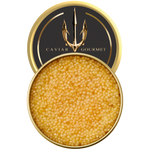
Persian caviar culture also kept its own vocabulary. The very word Almas, "diamond" in Persian, names the rarest albino grade to this day, a linguistic fingerprint of how central Iran was to the top of this market.
The End of the Wild Era
By the late twentieth century, overfishing and habitat loss had pushed Caspian sturgeon to the brink on every shore. CITES protections progressively shut down wild trade, and the legal market moved entirely to aquaculture. Modern Iranian producers farm sturgeon as the rest of the world now does; "wild Persian caviar" offered today is either historic stock long past eating or a story to walk away from.
Tasting the Persian Style Today
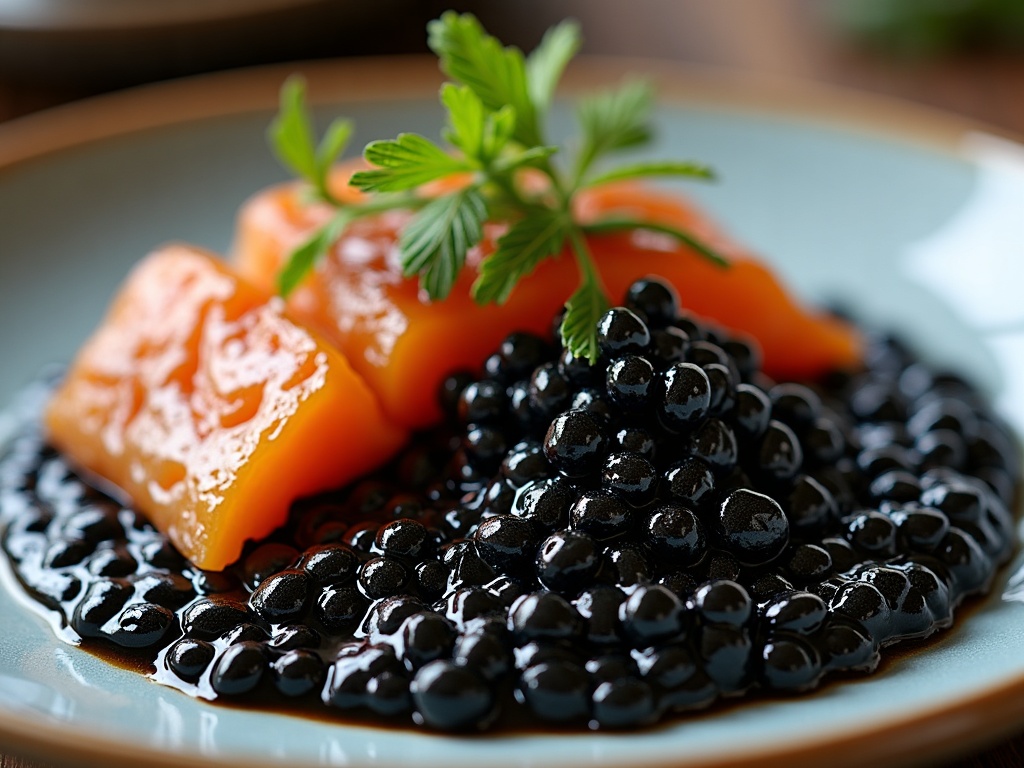
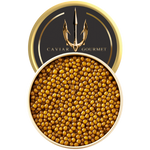
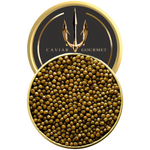
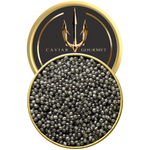
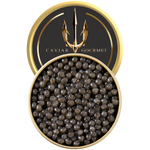
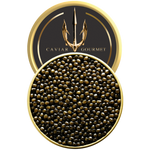
What buyers loved in the southern tins was a profile: firm pearls, restrained salt, nutty depth, a clean mineral finish. That profile is a farming standard now, wherever the farm sits. A fine Oscietra Royal carries the walnut-and-sea-breeze character that made Caspian Oscietra famous, and the Beluga Reserve delivers the buttery weight the old grand hotels ordered from the southern shore.
Every Beleaev tin is CITES certified and traceable, which is the modern version of the discipline Persian grading houses were respected for. To compare profiles side by side, start with the Signature Tasting Set, or browse the full collection. For the wider story of the fish itself, our history of caviar begins, fittingly, with Persian kings.
Frequently Asked Questions
Is Iranian caviar the best in the world?
Historically it set the standard for many buyers. Today quality follows the farm rather than the flag, and superb caviar comes from certified producers across many countries.
Can I buy wild Caspian caviar?
Legally, no. Wild Caspian sturgeon are protected, and the legitimate global market is farmed and CITES certified.
What made Persian caviar different from Caspian?
Cooler, deeper southern waters and famously strict grading. The rivalry was real, but both shores drew from the same sturgeon populations.
What does Almas have to do with Iran?
Almas is the Persian word for diamond, naming the ivory roe of aged albino sturgeon, the rarest grade in the caviar world and a legacy of Iran's place at the market's summit.


 447706084493

