


Gold Caviar Explained: Colour, Grades, Prices
By Alex Beleaev | Beleaev Caviar & Gourmet | beleaev.com
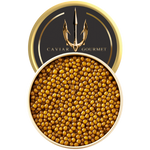
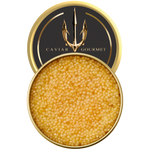
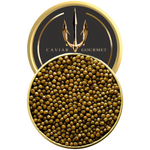
Gold is caviar's most photographed colour and its most misunderstood. The amber tins are not a separate species and not a dye job; they are colour grades, skimmed from harvests where genetics and age tilt the pearls towards light. Here is the gold spectrum from accessible to unobtainable.
Key Takeaways
- Gold caviar is a colour grade, mostly from Oscietra-family sturgeon
- Imperial gold: the top few percent of an Oscietra harvest, £150-£280 per 30g
- Almas: ivory-gold albino roe, £900-£2,200+, allocated by request
- Golden pearls trend creamier and gentler than dark ones
- For gifting and photography, gold grades are unmatched
Where the Gold Comes From
Roe colour follows pigment genetics and the age of the female. In every Oscietra harvest a small fraction of tins runs pale: amber, honey, occasionally near-ivory. Graders pull those tins aside, and they sell under names like Imperial or Golden Reserve. No colouring, no tricks; just selection severe enough that the light tins stay rare.
Flavour follows the colour more often than not. The pale grades lean creamy and gentle, with softer brine and a longer, sweeter finish, which is why they convert people who found dark caviar austere.
The Gold Spectrum, Priced
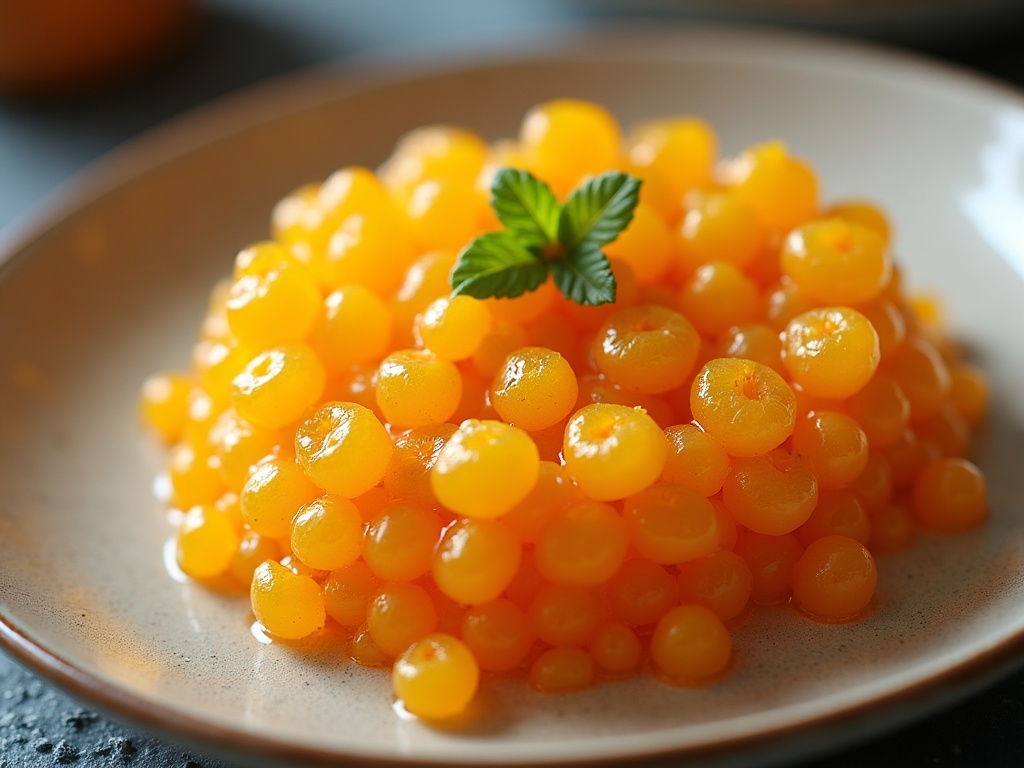
Imperial (gold Oscietra), £150-£280 per 30g. The grade historically reserved for royal tables and the realistic peak for most buyers. The Imperial Special Reserve is the tin we send when someone says "make it spectacular".
Golden Kaluga hybrids. Farms crossing Kaluga lines produce large amber pearls with Beluga-leaning richness; a grade worth knowing as it spreads.
Almas, £900-£2,200+ per 30g. The end of the road: albino sturgeon of great age, ivory-gold roe, allocation only. Our Almas guide explains that world.
Is Gold Worth the Premium?
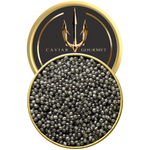
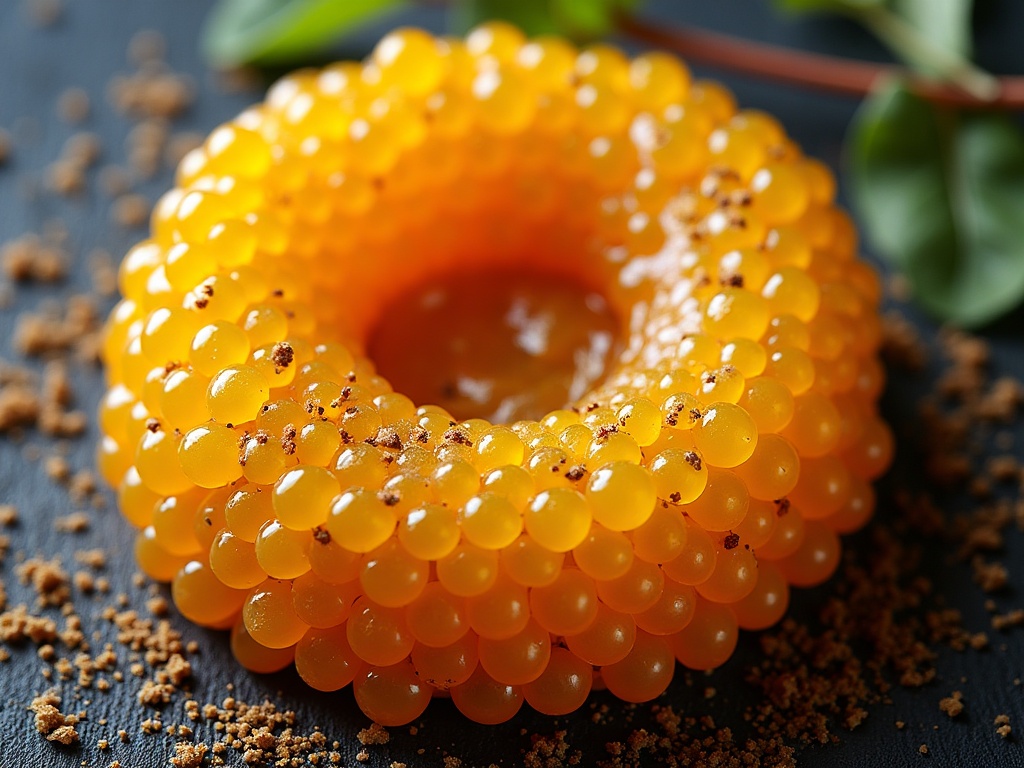
For flavour alone, a fine dark Oscietra competes hard with Imperial at a lower price. What the premium buys is the complete package: rarity, the creamier register, and a tin that photographs like jewellery. For anniversaries, proposals and serious gifts, that package is exactly the point. For a quiet Tuesday, the Oscietra Royal keeps the money on the palate.
Taste the difference yourself: the Signature Tasting Set puts grades side by side, and the full collection ships chilled UK-wide in 24-48 hours.
Frequently Asked Questions
Is gold caviar dyed?
Never, in legitimate trade. The colour is natural selection from harvests; anything artificially coloured must say so and is not fine caviar.
What species does gold caviar come from?
Mostly the Oscietra family, where pale grades occur naturally, plus golden Kaluga hybrids and, at the summit, albino Beluga-line fish for Almas.
Does golden caviar taste better?
It tastes gentler: creamier, less briny, longer on the finish. Whether that is "better" is a palate question; it is certainly more forgiving.
What is the most affordable golden caviar?
Imperial-grade Oscietra. It carries the colour and the creamy register at a price an anniversary can justify, without entering allocation territory.


 447706084493

