

Seared Foie Gras with Caramelised Apples
By Beleaev Family | Beleaev Caviar & Gourmet | beleaev.com
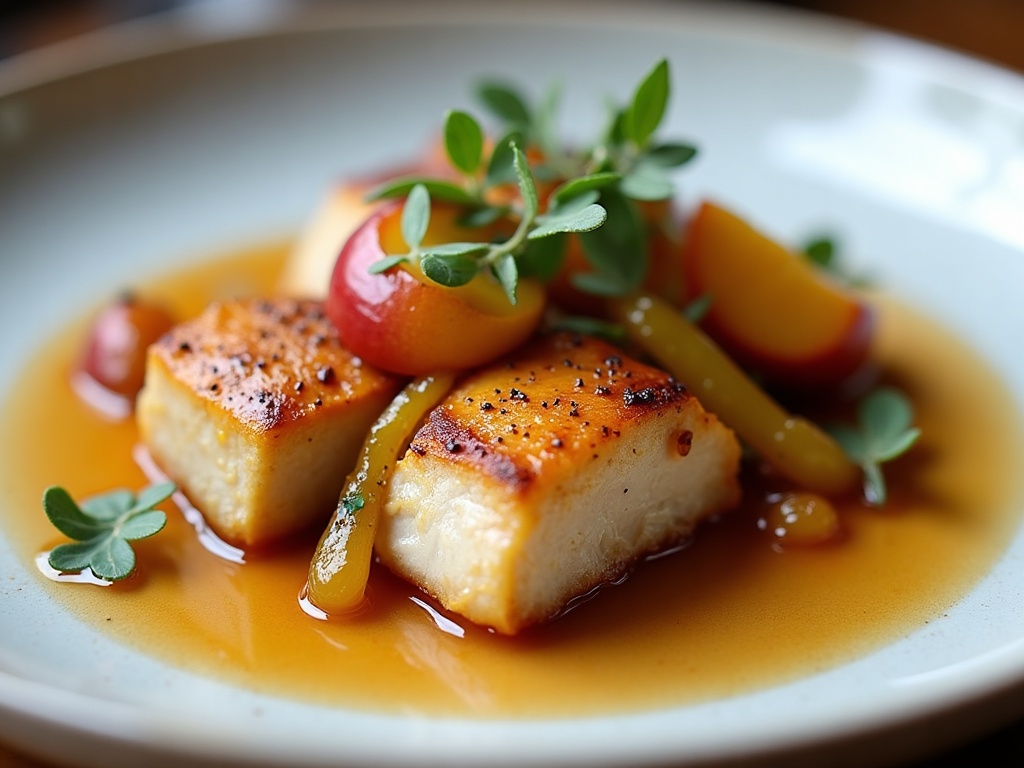
Foie gras with apples is the dish that fills every Lyon bistro window from October to December. The richness of seared foie gras meets the sweet-tart of caramelised apples, with a calvados reduction tying both elements together. It's the dish that tells you autumn has properly arrived.
The technique is simple: caramelise the apples in butter and sugar, sear the foie gras in the same pan, build a quick calvados sauce from the residual fat. Total time, 12 minutes. Total ingredients, six.
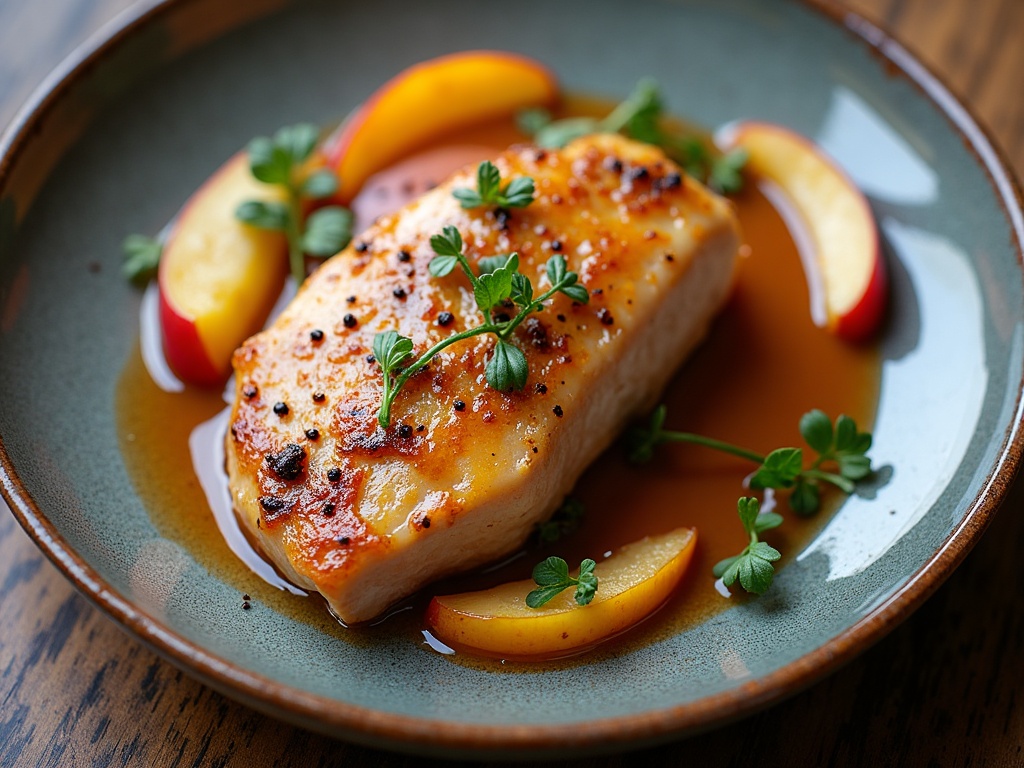
This is the version we cook on the first cold weekend of November. The kitchen smells of butter and apples, the foie gras hisses in the pan, and the dish lands on the plate looking exactly like every classic French bistro photo you've ever seen.
Key Takeaways
- Use firm British apples: Cox, Braeburn, or Granny Smith
- Apples first in the pan, then foie in the same fat
- Calvados is non-negotiable, brandy isn't quite the same
- Cook foie 60-90 seconds per side
- Serve immediately, the dish doesn't hold
The Ingredients
Serves 2 as a starter
- 2 slices grade A foie gras, 60g each, 1.5cm thick
- 2 firm Cox or Braeburn apples
- 25g unsalted butter
- 1 tsp caster sugar
- 50ml calvados
- 50ml chicken stock
- 2 small slices toasted brioche
- Sea salt and black pepper
The apple variety matters. Cox is the classic English choice, with the right balance of sweet and tart. Braeburn is a strong second. Granny Smith is more acidic and works well for those who like a sharper contrast. Avoid Pink Lady or Gala, they go mushy.
The Method, Step by Step
Step 1: Prepare the Apples
Peel the apples. Quarter, core, then slice each quarter into 4-5 wedges (around 16 wedges per apple).
Step 2: Caramelise the Apples
Heat the butter in a heavy frying pan over medium heat. When foaming, add the apple wedges and sugar. Cook for 4-5 minutes, turning occasionally, until deep golden and slightly tender.
Lift the apples out onto a warm plate. Reserve the apple-flavoured butter in the pan.
Step 3: Score and Salt the Foie
While the apples cook, score the foie gras lightly in a cross-hatch pattern. Salt generously, crack a small amount of black pepper.
Step 4: Sear the Foie Gras
Bring the pan back to medium-high heat. Place the foie gras in the apple-flavoured butter. Cook 60-90 seconds per side until deep golden brown and softly springy.
Lift onto warm plates with the apples.
Step 5: Build the Calvados Sauce
Pour off most of the fat from the pan, leaving 1 tablespoon. Add the calvados to the pan (off the heat first, then return). Reduce by half, around 60 seconds. Add the chicken stock, reduce another minute until syrupy.
Drizzle the sauce around the foie gras and apples. Serve immediately with toasted brioche on the side.
Tips for Getting It Right
Use the apple-flavoured butter for the foie. Don't wipe the pan between the apples and the foie. The residual butter and apple sugar enhance the foie's caramelisation and flavour.
Don't overcrowd the apples. Cook in batches if needed. Crowded apples steam rather than caramelise.
Calvados goes into a cold pan. Adding spirits to a hot pan can flame up. Take the pan off the heat first, add the calvados, then return to medium heat to reduce.
Apples and foie should be hot, sauce should be warm. Serve everything immediately. The dish doesn't sit well.
Variations and Pairings
With pears: Replace apples with firm Conference pears, sliced the same way. Equally classical, slightly sweeter.
With pain d'épices: Replace brioche with toasted slices of French gingerbread. The spices echo the apples beautifully.
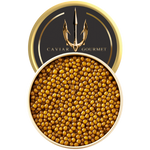
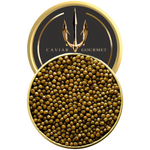
With caviar topping: Add a small spoon of Beleaev Oscietra caviar on top of each foie slice. Decadent but balanced.
Wine pairing: A chilled Sauternes, an aged Riesling, or a glass of cold cider. Calvados itself works as a digestif after the meal.
For more foie gras, see our pan-seared foie gras and foie gras with figs recipes.
Frequently Asked Questions
Can I use cooking apples?
Bramley apples break down too fast under heat and turn into purée before browning. Use eating apples (Cox, Braeburn) which hold their shape while caramelising.
Can I substitute brandy for calvados?
You can but the result is different. Calvados is apple brandy, distilled from cider. Standard brandy (cognac or armagnac) works as a substitute but lacks the apple notes that tie the dish together. If you must substitute, add 1 tsp of apple cider vinegar to bring the apple character back.
How firm should the apples be?
Firm enough that they don't bruise easily under finger pressure. Apples that feel soft will collapse during caramelising. The wedges should hold their shape and develop deep golden edges.
What goes alongside?
A small green salad dressed with sherry vinaigrette, or a wedge of bitter chicory. Don't add another rich element to the plate, the foie gras is rich enough.
Further Reading
A plate of seared foie gras with caramelised apples on a cold November evening is one of those dishes that defines what bistro cooking is about. Discover Beleaev's caviar collection, the natural partner for any foie gras dinner, at beleaev.com.
Beleaev is an international caviar and gourmet food company with fulfilment hubs across the UK, Europe, the UAE, and the United States. We are committed to sourcing responsibly farmed, sustainable products and delivering them to customers within 24 to 48 hours, ensuring exceptional freshness and quality.


 447706084493

