
Blinis
£5.00
4.82/5 · 38 reviews
£5.00

£8.00

£6.00

£23.90

By Alex Beleaev | Beleaev Caviar & Gourmet | beleaev.com
Most people assume caviar is a Caspian thing. Or maybe Iranian. Possibly French, if you're thinking of those elegant Parisian tins.
British? Surely not.
And yet Britain's relationship with caviar stretches back centuries. Long before it became a symbol of oligarch excess, sturgeon eggs were a familiar sight on English tables. The story of how Britain lost, forgot, and eventually rediscovered caviar is one of the strangest food histories you'll come across.
Key Takeaways
- Sturgeon was declared a "royal fish" under English law in 1324, making all caviar technically Crown property
- Victorian London had a thriving caviar trade, with Thames-caught sturgeon supplying local demand
- Prunier's restaurant in St James's became London's caviar capital in the 1930s and 1940s
- Britain's modern caviar revival began in the early 2000s, driven by sustainable farming
Yes. And not in some minor, forgettable way.
Sturgeon once swam the Thames, the Severn, the Trent, and several other English and Welsh rivers. Archaeological evidence from Roman-era London shows sturgeon bones at settlement sites along the Thames, suggesting the fish was harvested and eaten regularly during the occupation.
By the medieval period, sturgeon had acquired a unique legal status. In 1324, Edward II declared sturgeon (along with whales and dolphins) a "royal fish." Any sturgeon caught in English waters legally belonged to the Crown. This law, remarkably, still stands. As recently as 2004, a fisherman who caught a sturgeon off the Welsh coast was required to offer it to the Queen.
The law tells us something important: sturgeon were common enough in British waters to warrant royal attention. You don't write laws about fish nobody catches.
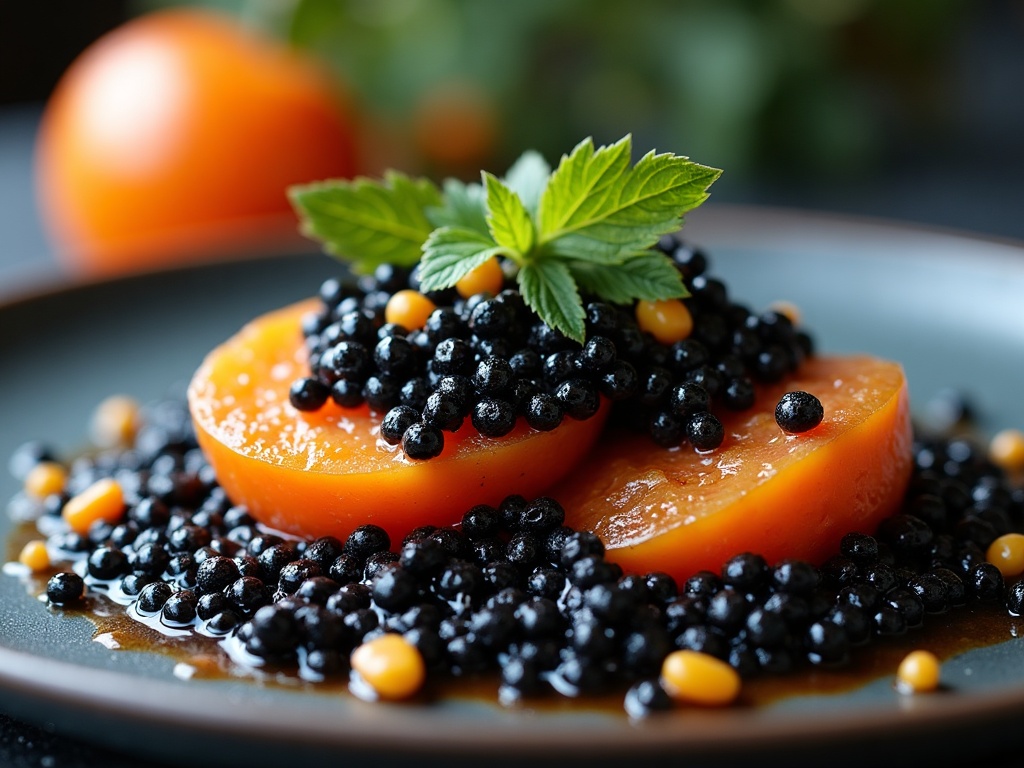
During the Tudor and Elizabethan periods, sturgeon appeared at royal banquets. Records from Hampton Court show sturgeon served at feasts hosted by Henry VIII. Whether the roe was processed into caviar in the way we'd recognise today is debatable. But the raw ingredient was there, swimming in British rivers.
The Thames sturgeon population began declining in the 17th and 18th centuries as London grew, river pollution increased, and weirs blocked migration routes. By the Victorian era, native sturgeon were rare. But the appetite for caviar was about to explode.
The Victorian period was Britain's golden age of gastronomy, at least for the wealthy. London's position as the capital of a global empire meant exotic foods from every continent flowed through its ports. Caviar arrived primarily from the Caspian, shipped in large barrels packed in ice.
Caspian caviar reached London through Hamburg and other Baltic trading ports. According to food historian Ivan Day, imports of Caspian caviar to Britain rose significantly through the 1800s, driven by expanding trade agreements and improvements in refrigerated shipping.
The timing was perfect. Victorian dining culture prized elaborate multi-course meals. A formal dinner might stretch to twelve or fourteen courses, and caviar found its place as either a first course or a savoury. Recipe books from the period describe it served on toast points, in pastry cases, or alongside blini with soured cream. Sound familiar?
Fortnum and Mason began stocking caviar in the 19th century, positioning it alongside other imported luxuries. The store's reputation helped normalise caviar for the British upper and upper-middle classes. It wasn't just for Caspian aristocrats anymore. It was for anyone who could afford to shop on Piccadilly.
But caviar wasn't exclusively a food for the rich during this period. Thames-side pubs in East London occasionally served sturgeon roe as a bar snack, much as cockles and whelks were sold by street vendors. The quality varied wildly. Still, it shows that caviar wasn't always the untouchable luxury it later became.
If one establishment defined London's love affair with caviar, it was Prunier's.
The original Prunier restaurant opened in Paris in 1872, founded by Emile Prunier. It quickly became the most famous seafood restaurant in Europe. In 1934, Emile's granddaughter Simone Prunier opened a London branch at 72 St James's Street, right in the heart of clubland.
Prunier's London became the place for caviar in Britain. The restaurant sourced directly from the Caspian, maintained impeccable storage standards, and served caviar with the reverence it deserved. The pre-war and post-war elite made it their second dining room. Politicians, actors, writers, aristocrats. Everyone who was anyone in mid-century London ate caviar at Prunier's.
Simone Prunier also wrote a legendary cookbook, "Simone Prunier's Fish Cookery Book," first published in 1938, which contained detailed sections on caviar selection, storage, and service. It became the English-language reference on the subject for decades.
The restaurant survived the Blitz, rationing, and post-war austerity before finally closing in 1976. Its influence on British food culture, particularly regarding caviar and seafood, lasted far longer.
The two World Wars and their aftermath nearly wiped caviar from British tables.
During the First World War, Caspian exports collapsed as revolution, civil war, and the upheavals of the early twentieth century disrupted the Caspian fishing industry. Supply to Britain dropped sharply. Caviar became truly scarce, not just expensive.
The interwar years brought partial recovery. State enterprises resumed caviar exports in the 1920s and 1930s, and London's luxury market slowly rebuilt. Prunier's opening in 1934 marked a high point.
Then came the Second World War. Rationing, which began in 1940 and didn't fully end until 1954, transformed British eating habits. Luxury foods vanished from shops. Caviar was technically exempt from rationing (it wasn't a controlled food), but import disruption meant supply was non-existent.
According to the Imperial War Museum's records on wartime food, imported delicacies like caviar simply disappeared from the market between 1939 and 1945. Even after the war, recovery was slow. Post-war austerity Britain had more pressing food concerns than fish eggs.
The cultural impact was profound. An entire generation grew up without encountering caviar. The continuity of knowledge, how to buy it, how to serve it, how to eat it, was broken. When caviar eventually returned to British tables, it came back as something foreign and intimidating rather than something familiar.
The revival began slowly in the 1960s and 1970s. Hotels like the Ritz, the Savoy, and Claridge's kept caviar on their menus throughout the lean years, ensuring it never completely disappeared from London's dining scene. But it remained niche. Expensive, unfamiliar, and slightly mysterious to most British diners.
The real turning point came in the late 1990s and early 2000s, driven by two forces.
First, the rise of modern British fine dining. Chefs like Marco Pierre White, Gordon Ramsay, and Heston Blumenthal put caviar back on menus in creative, exciting ways. It wasn't just about scooping pearls onto a blini anymore. Caviar appeared with scrambled eggs, with langoustine, with oysters, with potato and cream. British chefs treated it as an ingredient, not just a status symbol.
Second, sustainable aquaculture transformed the supply side. The collapse of wild Caspian sturgeon populations (down over 90% by the early 2000s, according to CITES data) made traditional wild caviar both ethically problematic and practically unavailable. But sturgeon farming operations in the UK, France, Italy, and Germany began producing high-quality farmed caviar that was consistent, traceable, and legal.
British sturgeon caviar production, based in Devon, resumed in the 2010s. For the first time in perhaps centuries, genuine British-produced caviar was available. The circle had closed. Sturgeon were back in Britain, if not yet back in the Thames.
Caviar occupies an interesting space in contemporary Britain. It's simultaneously more accessible than ever and still wrapped in an aura of intimidation.
Supermarkets like Waitrose and online specialists now stock caviar year-round. Prices for a good entry-level tin start around 40 to 50 pounds, roughly the cost of a decent restaurant starter for two. That's not cheap, but it's not the exclusive, members-only world it once was.
The British way of eating caviar has evolved too. While Caspian tradition favours caviar straight from the tin on a blini, and French service tends towards elaborate garnishes, the British approach has become more relaxed. Caviar on scrambled eggs is practically a national institution at this point. Served with fish and chips at high-end gastropubs. Folded into tartare. Scattered over a Sunday roast potato.
According to Mintel's 2024 UK Premium Food Report, sales of luxury food items including caviar grew 12% year-on-year, driven largely by younger consumers willing to treat themselves at home. The Instagram effect is real. Caviar is photogenic, aspirational, and perfectly portioned for social media.
The history comes full circle when you consider that caviar was once a common Thames-side snack, then a royal prerogative, then a forgotten foreign luxury, and now a growing part of Britain's food scene again. Eight hundred years of sturgeon and Britain, still going.
Shop the Beleaev caviar collection, responsibly farmed, CITES-certified, with next-day UK delivery.
Beluga · Oscietra · Baeri · Tasting Sets · Shop all
Was caviar ever produced in Britain?
Yes. Sturgeon were native to several British rivers, including the Thames. Archaeological evidence confirms sturgeon were harvested during the Roman period and through the medieval era. Modern British caviar production resumed in the 2010s with new sturgeon farms in Devon.
Why is sturgeon called a "royal fish" in the UK?
Edward II declared sturgeon a "royal fish" in 1324, meaning any sturgeon caught in British waters legally belongs to the Crown. The law still applies today, though in practice the Crown rarely claims modern catches.
When did Prunier's London close?
Prunier's restaurant at 72 St James's Street, London, closed in 1976 after more than four decades of operation. It had been London's foremost caviar destination since opening in 1934.
Is caviar popular in the UK today?
Growing steadily. The UK premium food market, including caviar, saw 12% year-on-year growth according to Mintel's 2024 report. Younger consumers and the rise of at-home fine dining have made caviar more mainstream than at any point since the Victorian era.
Ready to continue Britain's long love affair with sturgeon? Explore the collection at Beleaev for exceptional caviar delivered to your door.
Explore the full caviar collection at Beleaev for next-day UK delivery.
Beleaev Caviar & Gourmet is an international caviar and gourmet company sourcing responsibly farmed Baeri, Oscietra, Imperial and Beluga caviar, delivered within 24-48 hours. Next-day delivery across the United Kingdom.

 447706084493


