


Black Caviar: Types, Taste and How to Buy It
By Alex Beleaev | Beleaev Caviar & Gourmet | beleaev.com
Ask for "black caviar" anywhere from Monaco to Mayfair and people know exactly what you mean: the real thing, sturgeon caviar, the dark pearls served on mother-of-pearl spoons. The phrase separates true caviar from the bright orange roe of salmon, and it is still the most common way shoppers search for it.
Here is what the colour actually tells you, and what it doesn't.
Key Takeaways
- "Black caviar" means sturgeon caviar; "red caviar" means salmon roe
- Real colours run from pale gold to deep charcoal, even within one species
- Colour alone does not signal quality; species, grade and freshness do
- UK prices run from about £40 per 30g for Baeri to £180-£400+ for Beluga
- Buy from a retailer who names the species and ships cold
What "Black Caviar" Actually Means
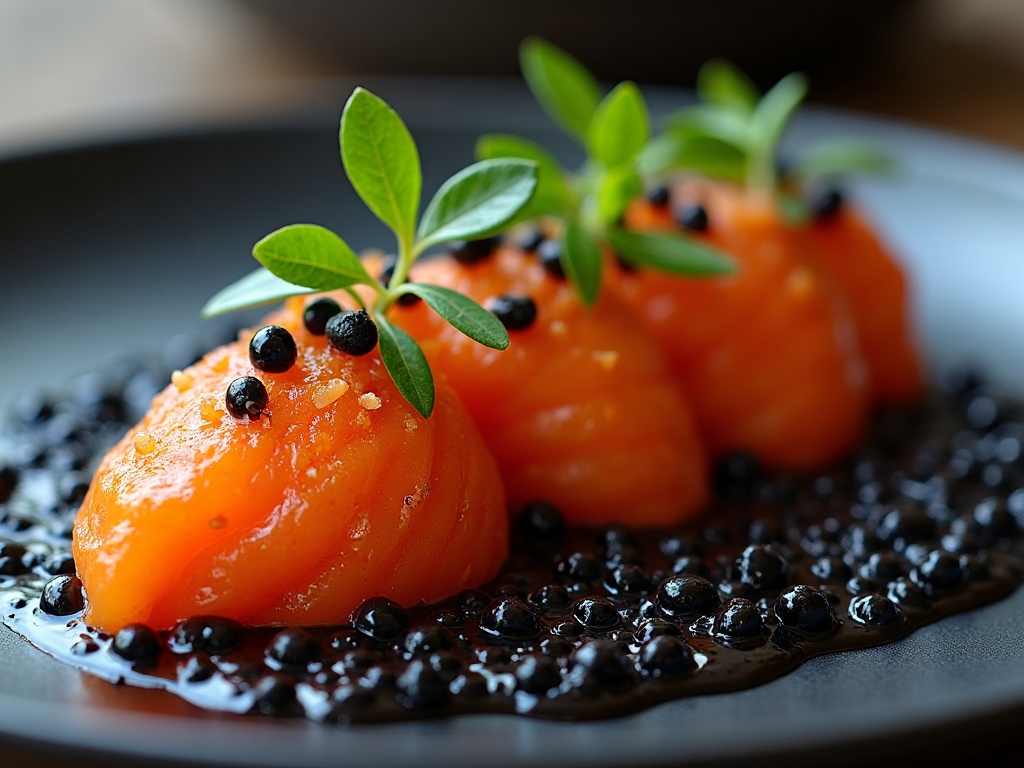
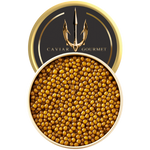
The phrase comes from the old Caspian division of the market: chyornaya ikra (black caviar) from sturgeon, krasnaya ikra (red caviar) from salmon. It was never really about a paint-swatch colour. Sturgeon eggs range from slate grey through olive and brown to amber gold. The "black" simply marks them as the genuine article.
So when you search for black caviar, what you are really choosing between is sturgeon species and grades.
The Types You Will Meet
| Type | Egg colour | Character | UK price guide (30g) |
|---|---|---|---|
| Beluga | Pearl grey to dark grey | Large, creamy, buttery | £180-£400+ |
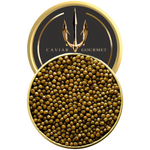
| Oscietra | Golden brown to deep brown | Nutty, layered | £90-£180 |
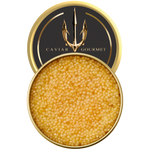
| Imperial (gold Oscietra) | Pale amber gold | Creamy, long finish | £150-£280 |
| Sevruga | Dark grey, small grain | Intense, briny | £60-£130 elsewhere |
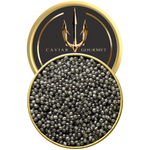
| Baeri | Grey to dark grey | Mild, buttery | from £40 |
Two from that table sit at the sweet spot for most buyers. Royal Baeri is the gentle introduction; Oscietra Royal is the one connoisseurs return to.
Does Darker Mean Better?
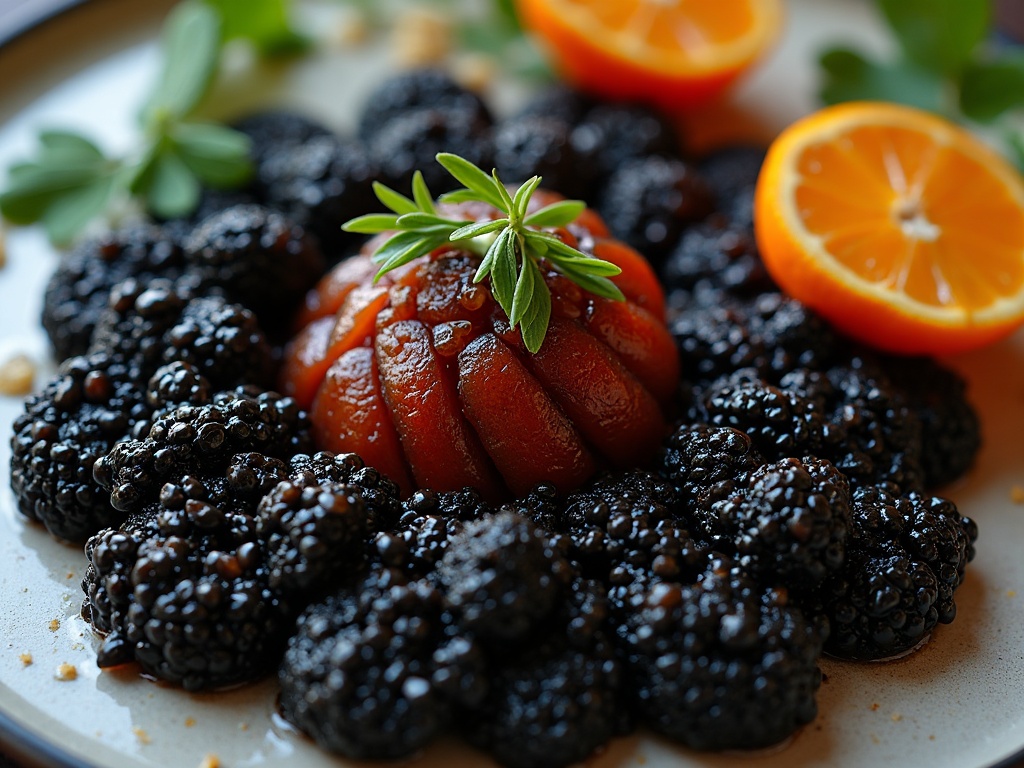
No. If anything, the rarest grades run lighter: the pale-gold Imperial grade is skimmed from the top few percent of an Oscietra harvest, and the legendary Almas from albino sturgeon is nearly ivory. Judge caviar by species, grade, freshness and the integrity of the pearls, never by darkness alone.
How to Buy Black Caviar Well
- The species must be on the tin. "Black caviar" with no Latin name is a red flag.
- Check the CITES code. Every legal tin carries one.
- Cold chain matters. Caviar lives at -2 to +2°C; insist on chilled delivery.
- Start small. A 30g tin tells you everything about a grade before you commit to 125g.
Compare four grades side by side with the Signature Tasting Set, or browse the full collection with 24-48 hour UK delivery.
Frequently Asked Questions
Is black caviar better than red caviar?
They are different foods. Black (sturgeon) caviar is rarer, subtler and far more expensive; red salmon roe is bold, affordable and excellent in its own right. For gifting and fine dining, black caviar is the classic choice.
Why is black caviar so expensive?
Sturgeon take 7 to 25 years to mature, farms carry those costs for years before harvest, and international CITES rules add certification at every step. Read the full breakdown in our guide to why caviar is so expensive.
What is the cheapest real black caviar?
Farmed Baeri (Siberian sturgeon) is the most accessible true caviar, from about £40 per 30g, and it is a proper introduction rather than a compromise.
How should I serve it?
Chilled, on a mother-of-pearl spoon or warm blinis with crème fraîche. Never let it touch reactive metal cutlery.


 447706084493

