
Blinis
£5.00
4.82/5 · 38 reviews
£5.00

£8.00

£6.00

£23.90

By Beleaev Family | Beleaev Caviar & Gourmet | beleaev.com
Maryland crab cakes are one of the great regional American dishes. The defining feature is restraint: very little breadcrumb, no mashed potato, no aggressive seasoning. Just big lumps of jumbo crab held together by minimal binder, with Old Bay seasoning, lemon, and a quick pan-fry to crisp the surface.
The classic version uses blue crab from the Chesapeake Bay. In the UK, fresh white meat from Cornish brown crab works as a strong substitute. Either way, the rule is the same: the crab is the star, and the cake should taste of crab first, second, and third.
Most recipes online add too much breadcrumb, too many herbs, too many seasonings. The proper Maryland version is austere by design. Lumps of crab. A touch of mayo. An egg. Old Bay. Lemon. Pan-fried in butter. That's it.
Key Takeaways
- Use jumbo lump crab meat where possible, never minced or processed
- Minimum binder: 1 egg + 2 tbsp mayo for 500g of crab
- Old Bay seasoning is non-negotiable, no substitutes
- Pan-fry in butter, never deep-fry (deep-frying is the British style)
- Don't overmix, keep visible chunks of crab
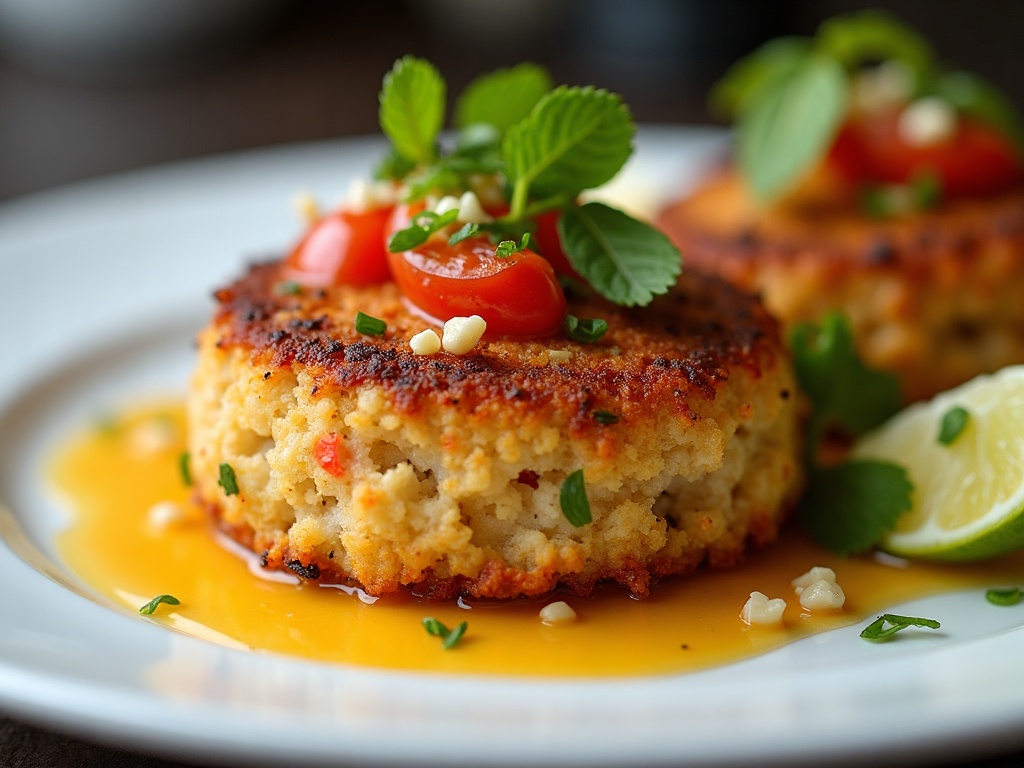
Makes 6 large crab cakes, serves 3 as a main, 6 as a starter
For the cakes:
For frying and serving:
The crab quality is everything. Maryland recipes specify "jumbo lump", which is the largest, most prized white meat from blue crab. In the UK, the equivalent is fresh white meat from Cornish brown crab, picked by hand. UK supermarket pasteurised crab tubs are NOT a substitute for this dish, the chunks need to be visible and intact.
Old Bay seasoning is non-negotiable. It's a specific blend of celery salt, paprika, and other spices, and the dish doesn't taste right without it. Available at Whole Foods, online specialty stores, or any American import shop.
In a medium bowl, whisk the egg with the mayonnaise, Dijon mustard, Worcestershire sauce, Old Bay seasoning, Tabasco, and lemon juice. The mixture should be smooth and uniform.
Place the white crab meat in a large bowl. Pour the binder over the crab. Add the parsley.
Use a rubber spatula or your hands to gently fold the binder through the crab. Don't beat it together. Don't overmix. You want big visible lumps of white meat throughout, with the binder coating but not breaking up the chunks.
Sprinkle the cracker crumbs over the mixture and gently fold in. The crumbs are minimal: just enough to absorb excess moisture and help the cakes hold together.
Cover the bowl with cling film. Refrigerate for 30 minutes. The rest lets the binder fully absorb into the crab and makes the cakes easier to shape.
Divide the mixture into 6 equal portions (around 90g each). Shape gently into discs around 8cm wide and 2cm thick.
Don't compress. The cakes should look slightly loose, not perfectly smooth on the surface. Visible lumps of crab on the outside are part of the look.
Heat the butter and oil in a heavy non-stick frying pan over medium heat. When the butter foams and quietens, add the cakes (in 2 batches if pan is small, don't overcrowd).
Fry for 3-4 minutes on the first side until deep golden brown. Turn carefully with a fish slice. Fry for another 3 minutes on the second side.
The internal temperature should reach 70C if using a thermometer. If unsure, the cakes should feel firm to the touch and the white crab meat should be hot all the way through.
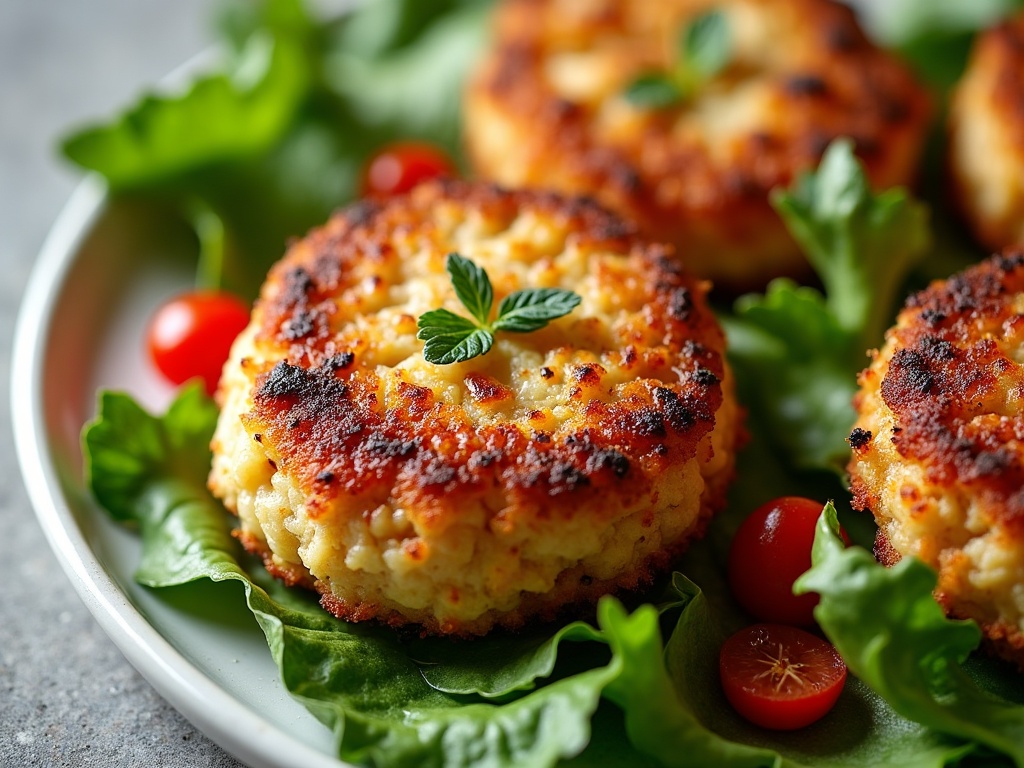
Plate 1-2 cakes per person on warm plates. Add lemon wedges, a small dollop of tartare sauce or remoulade, and a small pile of dressed watercress.
Serve immediately. The contrast between the crisp golden crust and the moist, chunky crab interior is what defines the dish.
Don't overmix. The single biggest mistake is mixing the crab too aggressively, breaking up the lumps. Fold gently. Stop the moment the binder is incorporated. Leave visible chunks of white meat.
Saltine crackers, not breadcrumbs. The traditional Maryland version uses crushed saltine crackers (slightly salty, slightly buttery) rather than breadcrumbs. If you can't find saltines, use panko or fresh white breadcrumbs, but the flavour is slightly different.
Old Bay specifically. Generic seafood seasoning isn't the same. Old Bay has a specific blend of celery salt, paprika, and 14 other spices that gives Maryland crab cakes their characteristic flavour.
Pan-fry, never deep-fry. Maryland purists insist on pan-frying. Deep-fried crab cakes are a different American regional style (Mid-Atlantic, sometimes Carolina). For proper Maryland flavour, stick to butter in a heavy pan.
Don't pre-fry. Crab cakes go from "perfect" to "merely OK" within 10 minutes of frying. Fry to order. If serving multiple cakes for a dinner party, fry in batches and serve in waves.
With caviar topping: Add a small spoon (5g) of Beleaev Royal Oscietra Caviar on top of each cake just before serving. Maryland purists would object, but the result is exceptional.
Mini canapé version: Make 24 small cakes (around 25g each) instead of 6 large. Cook for 2 minutes per side. Serve as canapés with a dollop of remoulade.
With remoulade: Make the classic Louisiana remoulade (mayo, capers, mustard, paprika, gherkins, parsley) instead of tartare. Adds a slightly different American regional twist.
Sandwich style: Serve the crab cake in a soft brioche bun with shredded lettuce, tomato, and remoulade. The Mid-Atlantic crab cake sandwich.
Wine pairing: A flinty Sancerre, a chilled Albariño, or an American Chardonnay (unoaked). Avoid heavy reds.
For more crab dishes, see our British crab cakes, Singapore chilli crab, and potted crab recipes.
Maryland crab cakes use jumbo lump blue crab, minimal binder, Old Bay seasoning, and pan-fry in butter. British crab cakes use 60/40 white-to-brown Cornish crab meat, slightly more binder including breadcrumb, fresh herbs (parsley, chives), and shallow-fry in butter. Both excellent, different in spirit.
For proper Maryland crab cakes, jumbo lump or super-lump white meat is the gold standard. In the UK, the equivalent is fresh white meat from Cornish brown crab, picked by hand from a fishmonger. Avoid pasteurised tubs and pre-cooked frozen crab, the texture is wrong.
You can. Bake at 200C for 12-15 minutes on a lightly oiled tray. The texture is slightly drier and the crust is less golden, but the result is acceptable. Pan-frying is the classical method.
Both are mayo-based sauces with capers and gherkins. Tartare sauce is the British version, lighter, with parsley and lemon. Remoulade is the Louisiana version, richer, with paprika, mustard, and Tabasco. Maryland crab cakes are traditionally served with tartare. Louisiana versions get remoulade.
A pair of properly made Maryland crab cakes with lemon wedges and tartare sauce is one of those classic American dishes that quietly proves how restrained cooking can be most effective. Discover Beleaev's caviar collection, the perfect topping for a luxury crab cake, at beleaev.com.
Beleaev is an international caviar and gourmet food company with fulfilment hubs across the UK, Europe, the UAE, and the United States. We are committed to sourcing responsibly farmed, sustainable products and delivering them to customers within 24 to 48 hours, ensuring exceptional freshness and quality.

 447706084493


