
Blinis
£5.00
4.82/5 · 38 reviews
£5.00

£8.00

£6.00

£23.90

By Beleaev Family | Beleaev Caviar & Gourmet | beleaev.com
British crab cakes are the dish that gets ruined more often than any other British seafood classic. Most restaurant versions are 70% breadcrumb, 20% mashed potato, and 10% crab. The colour is wrong. The texture is wrong. The flavour barely registers.
The proper version is the opposite. 80% crab meat, just enough binder to hold them together, a few fresh herbs, a generous squeeze of lemon, and a crisp golden crust from shallow frying in butter. Each cake should taste of crab first, second, and third.
This recipe gives you that. The technique is straightforward, the ingredients are honest, and the result is the kind of crab cake you'd happily pay £18 for at a good Cornish pub but you can make at home for around £4 per portion.
Key Takeaways
- 80% crab meat by weight, never less
- Use a 70/30 split of white to brown meat for proper flavour
- Bind with mayonnaise and breadcrumb, never mashed potato
- Pan-fry in butter, never deep-fry
- Rest the mixture for 30 minutes before shaping for cleaner cakes
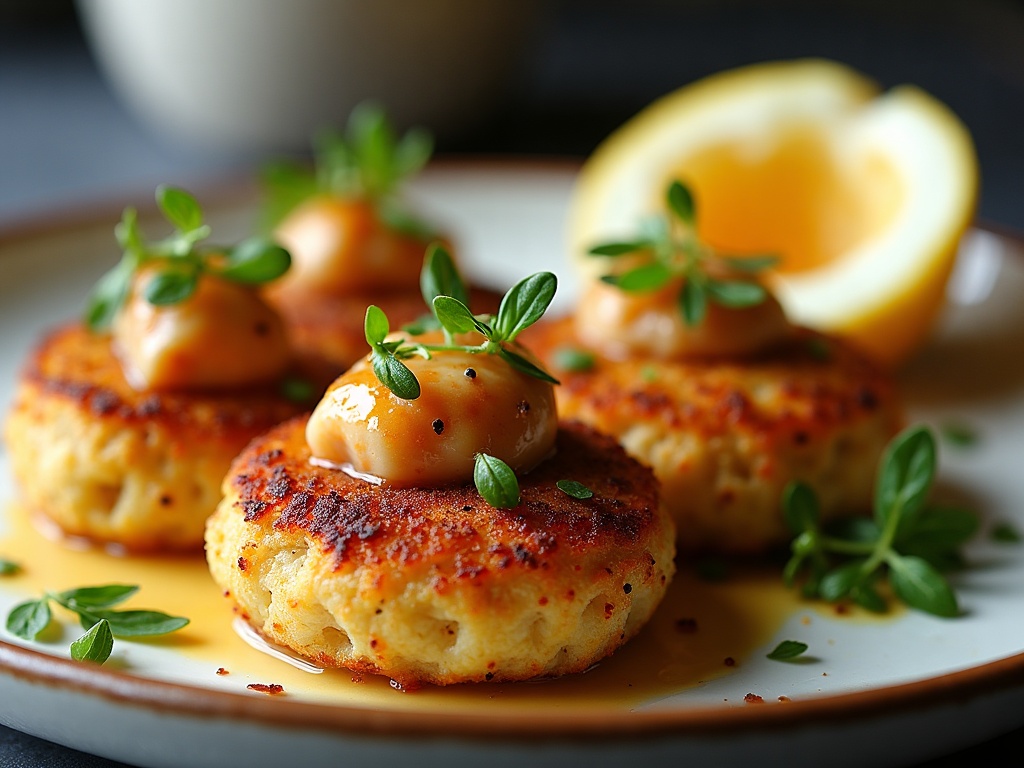
Makes 8 small crab cakes, serves 4 as a starter
For the cakes:
For coating:
For frying:
The crab quality is everything. Get fresh white and brown meat from a fishmonger who picks it themselves, ideally on the day of cooking. UK supermarket pasteurised tubs lack the sweetness that makes the dish work.
In a large bowl, gently mix the white and brown crab meat with the mayonnaise, egg yolk, fresh breadcrumbs, lemon zest, chives, parsley, mustard, cayenne, salt, and a few cracks of black pepper.
Mix gently to keep some chunks of white meat visible. Don't overmix into a paste.
Cover with cling film and refrigerate for 30 minutes. The rest helps the breadcrumb absorb moisture and makes the cakes easier to shape.
Divide the mixture into 8 equal portions (around 70g each). Shape each into a small disc around 6cm wide and 1.5cm thick.
If the mixture feels too wet to hold its shape, add another tablespoon of breadcrumb. If too dry, add a teaspoon of mayonnaise.
Set up three shallow dishes: flour, beaten egg, panko breadcrumbs.
Dip each cake first in flour (shake off excess), then in egg (allow excess to drip), then press into panko, coating both sides and edges. Set on a parchment-lined tray.
Refrigerate the coated cakes for at least 15 minutes to firm up.
Heat the butter and oil in a heavy non-stick frying pan over medium heat. When the butter foams and quietens, add the cakes (in batches if necessary, don't overcrowd).
Fry for 3-4 minutes on the first side until deep golden brown. Turn carefully with a fish slice. Fry for another 3 minutes on the second side.
Lift onto kitchen paper to drain briefly. Plate while hot.
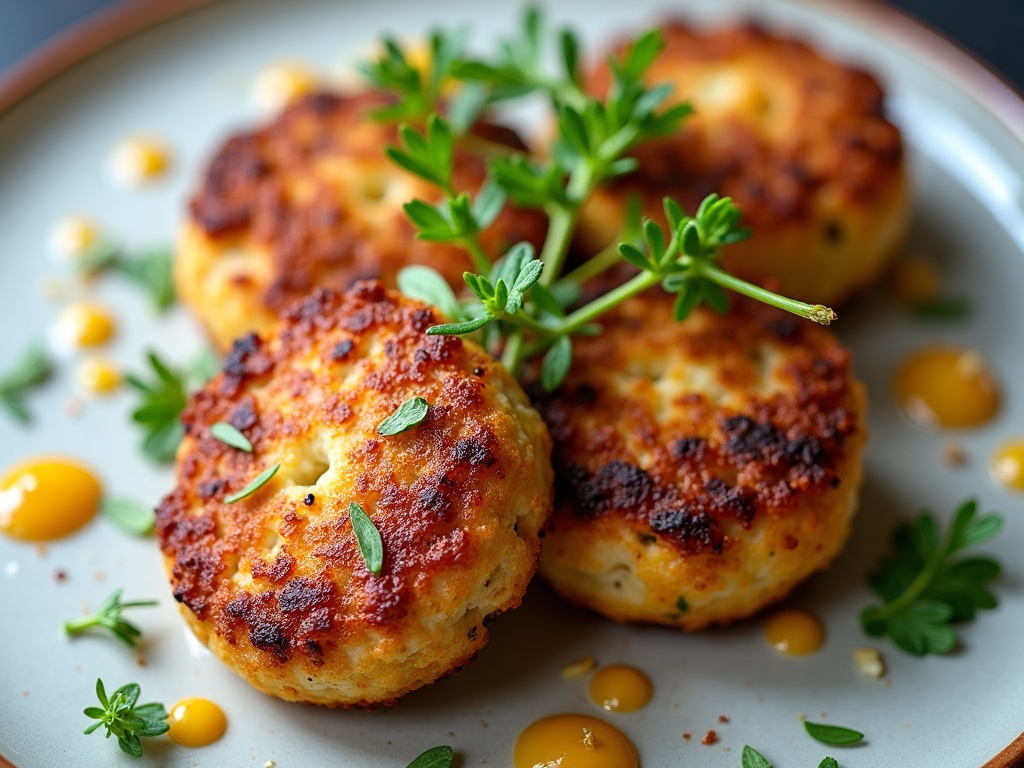
Plate 2 cakes per person on warm plates. Add lemon wedges, a small dollop of tartare sauce or aioli, and a small handful of dressed watercress.
Serve immediately. The contrast between crisp golden exterior and soft sweet crab interior is the whole point.
Don't skip the brown meat. Brown crab meat is where the flavour lives. Pure white-meat crab cakes taste flat. The 70/30 split of white to brown gives you the right balance of texture and flavour.
Rest the mixture before shaping. Skipping the 30-minute rest produces cakes that fall apart in the pan. The rest lets the breadcrumb absorb moisture and bind everything.
Pan-fry, never deep-fry. Deep-fried crab cakes are the American tradition. The British version is shallow-fried in butter, giving a more delicate crust and a richer flavour.
Panko, not regular breadcrumbs. Panko produces a noticeably crispier coating. The Japanese flakes have more surface area and absorb less oil during frying.
Don't compress the cakes. Shape gently. Pressing too firmly produces dense, heavy cakes. The interior should be light and slightly loose, held together just by the binder.
With caviar: Add a small spoon (5g) of Beleaev Oscietra caviar on top of each cake just before serving. The salty pop of caviar against the sweet crab is exceptional.
Maryland-style: Replace cayenne with Old Bay seasoning, increase the mustard, and reduce the herbs. Closer to the American Mid-Atlantic version. See our Maryland crab cakes recipe.
Thai-style: Add 1 tsp grated fresh ginger, 1 finely sliced bird's-eye chilli, and 1 tsp fish sauce. Replace flat-leaf parsley with coriander.
With beurre blanc: Serve with a small spoon of beurre blanc instead of tartare. More elegant, slightly more work.
Wine pairing: A flinty Sancerre, a chilled Albariño, or a glass of dry champagne. Avoid heavy reds and oaked wines.
For more crab dishes, see our potted crab and dressed crab recipes.
You can but the result will be inferior. Tinned crab is pasteurised, which kills the sweetness. Fresh dressed crab from a fishmonger is the proper choice. If you must use tinned, look for premium chilled tubs from a fishmonger rather than long-shelf-life tinned, and add an extra teaspoon of lemon juice to brighten the flavour.
Three usual causes. First, you skipped the 30-minute rest in the fridge. Second, the mixture is too wet (add more breadcrumbs). Third, the pan was too hot (the crust burns before the interior sets). 30 minutes resting, balanced moisture, and medium heat solve the problem.
For 4 people as a starter (8 cakes), 500g of mixed crab meat is the right amount (around 125g per person). If serving as a main course, increase portions to 3 cakes per person.
Shape and coat the cakes up to 6 hours ahead. Refrigerate uncovered until ready to fry. Don't fry in advance, the crust softens within 30 minutes of frying.
A proper British crab cake, made with 80% crab and pan-fried in butter, is one of those dishes that defines British seafood cookery. Discover Beleaev's caviar collection, the perfect addition to a luxury crab starter, at beleaev.com.
Beleaev is an international caviar and gourmet food company with fulfilment hubs across the UK, Europe, the UAE, and the United States. We are committed to sourcing responsibly farmed, sustainable products and delivering them to customers within 24 to 48 hours, ensuring exceptional freshness and quality.

 447706084493


