

Escargot: Why the French Made Snails a Delicacy
By Alex Beleaev | Caviar & Gourmet, London | beleaev.com
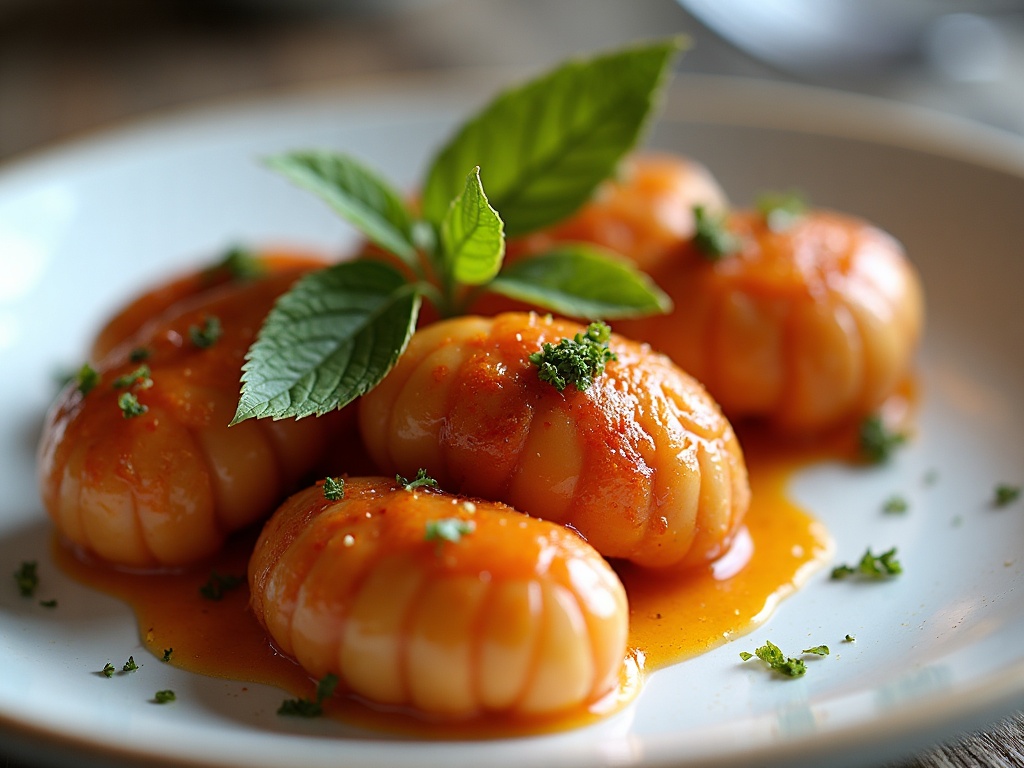
Escargot is the French word for an edible snail, served hot in its shell under a lid of garlic and parsley butter. That is the whole idea in one line. The snail is the vehicle; the butter is the point. And once you have tasted a good one, the squeamishness tends to evaporate.
The French did not invent eating snails. But they did decide, somewhere along the way, that a humble garden creature deserved Chablis, fine herbs and a place at the Christmas table. Here is how that happened, and how to bring the classic French starter into your own kitchen without any fuss.
Key Takeaways
- Escargot means an edible land snail, traditionally the Roman snail of Burgundy
- The dish is built on garlic, parsley and butter, with the snail carrying the flavour
- Escargots de Bourgogne is the classic French preparation, served in the shell
- Ready-prepared snails go straight from freezer to oven in 12 to 15 minutes
- A 24-piece pack serves four as a starter and bakes from frozen in 12 to 15 minutes
What Is Escargot, Really?
Escargot is the French term for an edible land snail prepared for the table. The name Burgundy snail refers to Helix pomatia, also called the Roman snail. Other edible land-snail species are used in prepared escargot dishes, so check the product label rather than assuming every pack contains the same species.
The flavour is gentle and a little earthy, closer to a mushroom than to anything from the sea. The texture is firm but tender, somewhere between a clam and a cooked button mushroom. On its own, frankly, a snail is mild to the point of shy. Which is exactly why the French built such a loud garlic butter around it.
So when people ask what escargot tastes like, the honest answer is: mostly it tastes of what you cook it in. Get the butter right and the rest follows.
Why the French Turned Snails Into a Delicacy
Snails were eaten across the ancient Mediterranean long before France made them fashionable. The Romans farmed them in walled gardens called cochlearia and fattened them for banquets. So the groundwork was laid centuries earlier.
Garlic-and-parsley butter has been associated with Burgundy snails since at least 1814. A story linking Antonin Carême and a visiting monarch is often repeated, but its details vary between accounts. What is clear is that Burgundy joined edible snails with the region's butter, herbs and wine.
From there escargot became a fixture of the bistro and the festive table. Today the French eat the lion's share of them around Christmas and New Year, which tells you exactly what kind of dish this is: celebratory, generous, a little theatrical.
Escargots de Bourgogne: The Classic Preparation
Say "escargot" to a French cook and they will picture escargots a la bourguignonne, snails of Burgundy. The recipe is disciplined and short.
Each cooked snail is returned to a shell and sealed with seasoned butter. Our French snails prepared in shells are made in France and packed as 24 shells, 220g in total. The filling combines butter, garlic, parsley, wild garlic and pepper, while the broth contains 3.1% Chablis wine.
The butter is everything. It should be soft enough to spread, packed with finely chopped garlic and flat-leaf parsley, and seasoned with a confident hand. Some kitchens add a splash of white wine or a whisper of shallot. The aim is a butter that, once melted, you will want to mop up to the last drop.
The role of the shell
The shell is not decoration. It is a tiny cooking vessel. As the dish heats, the butter melts into the curve of the shell, bastes the snail and bubbles up at the opening. That is why escargot is baked in the shell rather than tossed in a pan, and why a proper escargot dish has those little dimples to hold each shell upright.
| Element | Traditional choice | What it brings |
|---|---|---|
| The snail | Helix pomatia, Burgundy | Firm, tender, mild and earthy |
| The butter | Garlic, parsley, seasoning | The dominant savoury flavour |
| The aromatics | Wild garlic, Chablis, pepper | Depth and a green, herbal lift |
| The vessel | The snail's own shell | Bastes and bubbles in the oven |
| The side | Crusty baguette | Soaks up every drop of butter |
How to Serve Escargot at Home
The serving ritual is half the pleasure, and it is far simpler than its reputation suggests.
Bake the shells on a hot oven tray for 12 to 15 minutes, until the butter is bubbling and the garlic is fragrant. Bring them to the table while they are still hissing. Set out small forks (or the dedicated two-pronged escargot fork if you have one), plenty of napkins and a basket of warm baguette.
Then eat with your hands and your bread. Lift a shell, twist out the snail, and tip the molten butter onto torn bread. Six per person makes a generous starter; twelve makes a light main. Nobody finishes a plate of escargot without reaching for the bread, and nobody should.

To drink, stay in Burgundy: a crisp, unoaked Chablis is the textbook partner, its acidity cutting through the butter. A dry Aligoté or a cold glass of Muscadet does the same work.
Are Escargots Difficult to Cook?
This is the myth that keeps people away, and it is mostly nonsense. Preparing snails from raw is genuine work: purging, cleaning, long simmering, then making the butter and stuffing each shell by hand. It is a weekend project, not a Tuesday.
Ready-prepared snails remove that work. Preheat the oven to 200°C, arrange the frozen shells opening-up on a tray, then bake from frozen for 12 to 15 minutes. Serve when the butter is bubbling and golden. Keep unused shells at -18°C or below and do not refreeze after defrosting.
So the dish that once meant a day at the stove now means a quarter of an hour and a good appetite. That is the version most of us actually want.
Buy Ready-Prepared Escargot in the UK
Snails Prepared in Shells, Frozen, x 24 are in stock at £38 for a one-time purchase. The pack is rated 4.83/5 from 24 product reviews and serves four as a starter.
Bake only what you need and keep the rest frozen. The product contains molluscs and milk, so check the pack before serving. Fresh UK delivery is available within 1 to 3 days.
Shop the 24-piece escargot pack or browse the seafood collection.
Frequently Asked Questions
What does escargot taste like?
Mild and gently earthy, more like a firm mushroom than anything fishy. The snail itself is subtle, with a tender, slightly springy bite. Most of the flavour you notice is the garlic, parsley and butter it is cooked in, which is exactly how the dish is designed.
What kind of snail is used for escargot?
Helix pomatia, the Roman or Burgundy snail, is the species behind the classic name. Prepared escargot may also use other edible land-snail species, so check the product label for the exact species and ingredients.
Why do the French eat snails?
Snails were eaten across the ancient Mediterranean, but France refined them into a delicacy in the nineteenth century, pairing Burgundy snails with the region's butter, garlic and wine. The dish became a festive classic, eaten most around Christmas and New Year.
How many escargots are in a portion?
Six snails make a generous starter and around twelve make a light main course. A standard pack holds 24 pieces, enough for four people as a starter, and you can bake only what you need and keep the rest frozen.
How do you cook frozen escargot?
Heat the oven to 200°C. Place the frozen shells opening-up on a tray and bake for 12 to 15 minutes, until the butter is bubbling and golden. Follow the pack instructions and serve immediately.
Do you eat the snail shell?
No. The shell is a cooking vessel, not food. You twist the snail out with a small fork, eat it with its butter, and tip the remaining garlic butter from the shell onto bread. The shells are left on the plate.
Bring the French Classic to Your Table
Strip away the mystique and escargot is one of the most generous starters there is: garlic, butter, herbs, good bread and a cold glass of Chablis. The snail is just the excuse to enjoy all of it.
Choose our French snails prepared in shells, 24 pieces ready to bake from frozen. Browse the wider Beleaev gourmet collection, or read our companion guide on how to buy and prepare escargot in the UK.

 447706084493

