


Buy Bottarga UK: Grate It Over Pasta Like a Sardinian
By Alex Beleaev | Caviar & Gourmet, London | beleaev.com
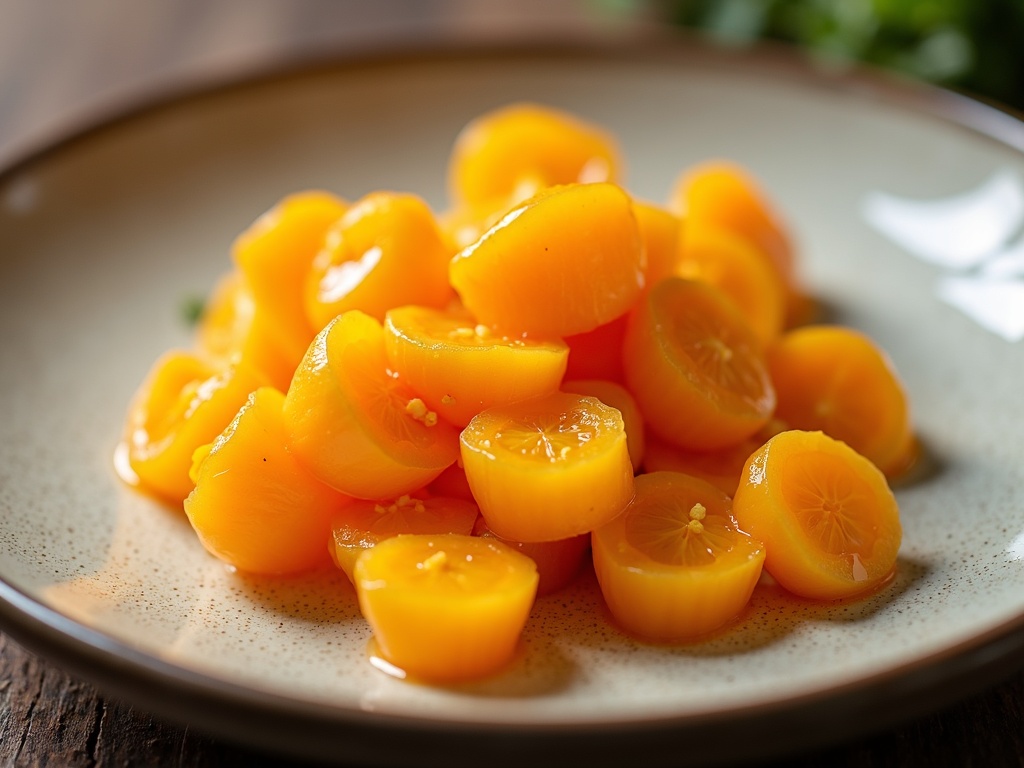
You can buy proper grey mullet bottarga in the UK and have it delivered to your door, no trip to a Sardinian deli required. The trick is knowing what good bottarga looks like, and how to use it once it arrives, because this is a seasoning to grate, not a fillet to fry. This guide covers both.
Beleaev ships grey mullet bottarga, made in Italy in the traditional way, across the UK. Below: what to look for when you buy, how much you need, and the plain Sardinian method that does it justice over a bowl of pasta.
Key Takeaways
- Bottarga is salt-cured, air-dried grey mullet roe, sold as a firm amber block
- Look for grey mullet (muggine), a deep amber colour and an Italian origin
- A block of around 90g, from £19, seasons many plates: a little goes a long way
- Grate or shave it over hot pasta at the end, off the heat
- Start with the Beleaev caviar and gourmet range
What to Look For When You Buy Bottarga
Not all cured roe is equal, and the label tells you most of what you need to know.
Grey mullet, first of all. The finest bottarga is bottarga di muggine, made from grey mullet: delicate, nutty and versatile. Tuna bottarga (di tonno) is darker and stronger, a different beast. For grating over pasta, mullet is the one you want. Ours is grey mullet, made in Italy.
Colour and form. Good bottarga is a firm, dense block with a deep amber-orange interior, the colour earned through slow drying. It should feel solid, not soft, and slice cleanly. That density is the sign of a roe cured patiently rather than rushed.
Origin and method. Sardinia and Sicily are the heartland, and a clear Italian origin with a salt-cured, air-dried method is what you are after. Vague packaging that names neither the fish nor the country usually has a reason for staying quiet.
How Much Bottarga Do You Need?
Less than you think. This is the most common surprise for a first-time buyer.
Bottarga is a finishing seasoning, grated in small amounts, so a single block stretches a remarkably long way. A block of around 90g will season many bowls of pasta over several meals, because each plate needs only a generous grating rather than a thick slice. Think of it the way you would a truffle or a hard grating cheese: a little, added with intent.
| Bottarga | |
|---|---|
| Fish | Grey mullet (muggine) |
| Form | Firm amber block, vacuum-packed |
| Net weight | Around 90g |
| Origin | Made in Italy |
| Best use | Grated over pasta, risotto, eggs |
| From | £19 |
That economy is part of the appeal. A modest block of grey mullet bottarga sits in the fridge door and turns store-cupboard pasta into something you would serve a guest, again and again. Explore it alongside the tins in the Beleaev caviar collection.
How to Grate Bottarga Over Pasta
This is the dish bottarga was made for, and it could not be simpler. Spaghetti alla bottarga, the Sardinian classic.
Cook the pasta. Spaghetti or linguine, in well-salted water, until just al dente. Hold back a little of the starchy cooking water before you drain.
Dress it gently. Off the heat, toss the pasta with good olive oil, a squeeze of lemon, and a splash of the reserved water to bring it together. A little garlic, softened in the oil first, is traditional and welcome. Go easy on extra salt, as the bottarga brings its own.
Grate at the end. Finish with a generous shower of grated or finely shaved bottarga over the top, off the heat. This is the rule that matters most: do not cook the roe hard into the sauce. The flavour is finest kept fresh and added late, so the aroma lifts off the warm pasta rather than boiling away.
More Ways to Use It
Pasta is the headline, but a block of bottarga earns its place across the week.
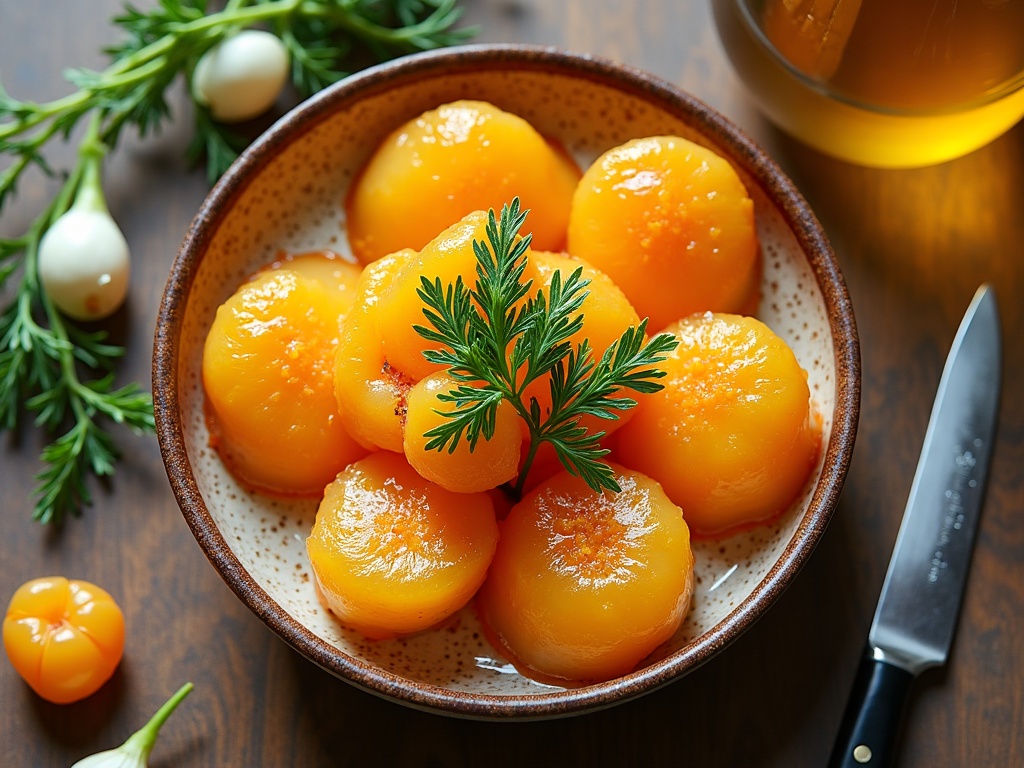
Shave it thinly over soft scrambled eggs, where the warmth releases its aroma without cooking it out. Grate it over a finished risotto in place of, or alongside, a hard cheese. Or serve it the simplest way of all: cut into thin slices as an antipasto, dressed with unfiltered olive oil and a squeeze of lemon, eaten as it is.
It also makes a quiet, clever partner for caviar lovers building a tasting spread. A board with a tin of fine roe, a few slices of bottarga and good bread covers the full range of cured-roe flavour, from the soft sturgeon egg to the dense Mediterranean block. Browse the wider caviar and gourmet range for the rest of the table.
How Bottarga Is Delivered
Bottarga is cured and vacuum-packed precisely so it travels and keeps well, which makes it one of the easier delicacies to buy online.
Each block comes around 90g, sealed in a vacuum pack that protects the roe and locks in the aroma. Because it is salt-cured and air-dried, it does not need the strict cold chain a fresh fillet demands, and it stores well in the fridge once it reaches you. We deliver across the UK, so a Sardinian staple arrives at your door ready to grate.
To understand where bottarga sits in the world of cured roe, and why it has been prized for centuries, our companion guide explains why it is called the Mediterranean caviar.
FAQ
Where can I buy bottarga in the UK?
Online, from gourmet specialists who name the fish and the origin. Beleaev delivers grey mullet bottarga, made in Italy, across the UK. Look for bottarga di muggine, a firm amber block and a clear Italian origin, rather than vague packaging that names neither the fish nor the country.
How much does bottarga cost?
A block of grey mullet bottarga of around 90g starts from £19. Because it is grated in small amounts as a finishing seasoning, a single block seasons many plates over several meals, so the cost per dish is modest despite the intensity of the flavour.
How do you store bottarga once you buy it?
Keep the vacuum-packed block in the fridge. Once opened, wrap it tightly and return it to the cold. Being salt-cured and air-dried, it keeps well, and since you use only a little at a time, a single block lasts a long while without losing its character.
Can you eat bottarga raw?
Yes. Bottarga is cured, not raw, and is eaten without further cooking. Grate it over warm pasta, shave it over eggs, or slice it thinly as an antipasto with olive oil and lemon. There is no need to cook it, and cooking it hard is best avoided as it dulls the flavour.
What pasta is best with bottarga?
Long, thin shapes that catch the oil and the grated roe: spaghetti or linguine are the Sardinian choice. Keep the sauce light, just olive oil, lemon, a little garlic and the starchy pasta water, then finish with bottarga grated over the top off the heat.
Grate It Like a Sardinian
A firm amber block, a sharp grater and a bowl of hot pasta: that is all it takes to bring a Sardinian classic to a London kitchen.
Discover grey mullet bottarga and the full Beleaev caviar and gourmet collection, and if you would like the story behind it first, read our guide to bottarga, the Mediterranean caviar. Made in Italy, cured in the old tradition, delivered across the UK.

 447706084493

