


Bottarga: The Mediterranean 'Caviar' Loved for Centuries
By Alex Beleaev | Caviar & Gourmet, London | beleaev.com
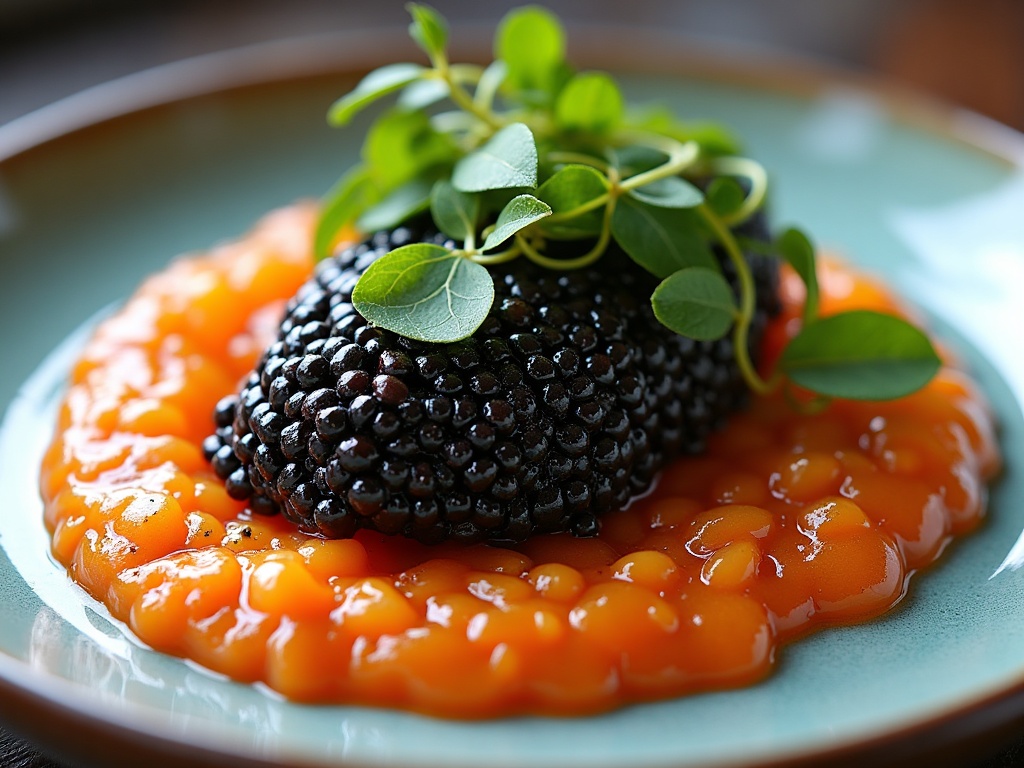
Bottarga is the salt-cured, air-dried roe of grey mullet, pressed into a dense amber block and grated like a seasoning. Sardinians and Sicilians have made it the same way for centuries. If you love caviar, you already understand the appeal: cured fish roe, handled with care, concentrated into something far greater than the sum of its parts.
People call it the Mediterranean caviar, and sometimes the truffle of the sea. Both nicknames earn their keep. So here is what bottarga actually is, how the roe is cured, and why a small amber block shaved over hot pasta has held its place on Italian tables for so long.
Key Takeaways
- Bottarga is grey mullet roe, salt-cured and air-dried until firm and amber
- It is a Sardinian and Sicilian tradition, often called the truffle of the sea
- The flavour is intense, briny and nutty, with a long savoury finish
- A little goes a long way: grate or shave it, never cook it hard
- Caviar lover? Explore the Beleaev caviar and gourmet range
What Is Bottarga, Exactly?
Bottarga is the cured roe sac of the grey mullet. The whole sac is taken intact, salted, pressed and dried, so what you buy is not loose eggs but a solid amber block you slice or grate.
The texture is the first surprise. Where caviar is soft and yielding, bottarga is firm, almost waxy, dense enough to shave into fine ribbons with a sharp knife or grate into a snowfall over a plate. Cut into it and the inside glows a deep amber-orange, the colour concentrated by weeks of slow drying.
And the flavour is concentrated to match. Salty first, then nutty, then a long savoury depth that lingers after you have swallowed. It is the most direct expression of the sea you will taste outside a fresh oyster, which is exactly why it has lasted.
Why It Is Called the Mediterranean Caviar
The comparison is not marketing. It is a fair description of what is on the plate.
Caviar and bottarga are both cured fish roe, both prized, both used in small, deliberate amounts. Both reward good sourcing and punish careless handling. If your palate is trained on the briny, mineral hit of good caviar, bottarga lands somewhere familiar: the same salt, the same sense of the sea, carried in a denser, nuttier form.
The differences matter too. Caviar is the soft egg of the sturgeon, served cold and whole, eaten by the spoon. Bottarga is the pressed, dried roe of the mullet, grated warm over food, used as a seasoning rather than a centrepiece. One is the jewel; the other is the finishing flourish. Many people who keep caviar in the fridge keep a block of bottarga in the door for exactly that reason.
If you already buy fine roe, bottarga is the natural next discovery. Our bottarga sits comfortably alongside the tins in the Beleaev caviar collection, a Mediterranean cousin to the sturgeon you already know.
How Bottarga Is Made
The method is old, patient and almost unchanged. Three stages, no shortcuts.
The roe. The intact roe sac is removed from the grey mullet by hand and washed, keeping the membrane whole so the eggs stay together through curing.
The salt. Each sac is hand-massaged to press out trapped air, then packed in sea salt. The salt draws out moisture and seasons the roe through, the same principle that preserves caviar, only taken further.
The drying. The salted roe is dried slowly, often pressed under boards, until the texture firms and the flavour concentrates into that dense amber block. This is where time does the work. Rush it and you lose the depth; the best bottarga is dried unhurried until it is ready.
| Bottarga | Caviar | |
|---|---|---|
| Source | Grey mullet roe sac | Sturgeon eggs |
| Form | Pressed, dried solid block | Soft, whole eggs |
| Curing | Salt-cured and air-dried | Lightly salted (malossol) |
| Served | Grated or shaved over food | Cold, by the spoon |
| Role | Finishing seasoning | The centrepiece |
Grey mullet and the tuna question
Most of the bottarga worth seeking is bottarga di muggine, made from grey mullet. There is also a tuna version, bottarga di tonno, which is darker, firmer and stronger. Mullet bottarga is the finer of the two, more delicate and more versatile, and it is the one Sardinians reach for first. Ours is grey mullet, made in Italy in that tradition.
A Sardinian and Sicilian Tradition
Bottarga belongs to the Mediterranean coast, and two islands claim it most proudly.
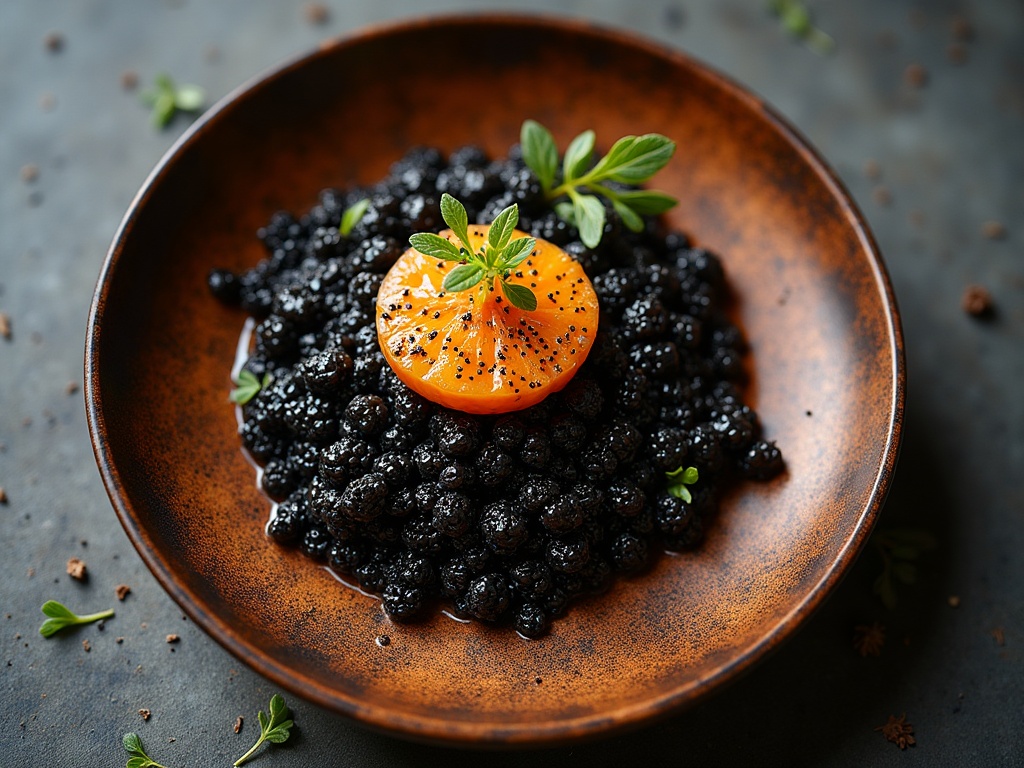
In Sardinia it is bottarga di muggine, grated over spaghetti alla bottarga, a dish of almost nothing: pasta, good olive oil, a little garlic, a squeeze of lemon, and a generous shower of grated roe at the end. It is a fisherman's luxury, made from a humble fish, turned into something you would happily serve to anyone.
Sicily has its own claim, with a strong tradition around tuna bottarga in particular. Across both islands the principle is the same: preserve the catch when it is abundant, and you have a concentrated taste of the sea to draw on all year. That is how the great cured foods began, caviar and bottarga among them, and it is why they still feel like an occasion.
How to Use Bottarga at Home
The golden rule is restraint, with heat and with quantity. Treat it like a seasoning, not a steak.
The classic is pasta. Cook spaghetti, toss it with olive oil, lemon and a little of the starchy water, then grate bottarga over the top off the heat. Do not cook the roe into the sauce; the flavour is best kept fresh and added at the end. A small block seasons many plates.
Beyond pasta, shave it thinly over scrambled eggs or a soft risotto, where the warmth releases its aroma without cooking it out. Or serve it as an antipasto: thin slices with a thread of unfiltered olive oil and a squeeze of lemon, nothing else. A block of around 90g, vacuum-packed, keeps well in the fridge and lasts a long time precisely because you use so little at once.
FAQ
What does bottarga taste like?
Intensely savoury and briny, with a nutty undertone and a long finish. Think of the salt and sea-mineral character of good caviar, carried in a firmer, more concentrated form. A little delivers a great deal of flavour, which is why it is grated rather than eaten in spoonfuls.
Is bottarga the same as caviar?
No, though they are close cousins. Both are cured fish roe. Caviar is the soft, whole egg of the sturgeon, served cold by the spoon. Bottarga is the pressed, dried roe sac of the grey mullet, grated over food as a seasoning. Different fish, different texture, the same Mediterranean reverence for cured roe.
How do you eat bottarga?
Grate or shave it over hot pasta, risotto or scrambled eggs, added at the end off the heat. It also works sliced thinly as an antipasto with olive oil and lemon. Avoid cooking it hard, as the flavour is finest kept fresh and added late.
How long does bottarga keep?
A vacuum-packed block stores well in the fridge for a long time, and because you use only a little at a time it lasts. Once opened, wrap it well and keep it cold. The salt curing that preserves it is the same principle that has kept Mediterranean roe edible for centuries.
Why is bottarga called the truffle of the sea?
Because, like a truffle, it is grated in small amounts to transform a simple dish, and its aroma carries far beyond its size. A few grams of shaved bottarga lift plain pasta the way a shaving of truffle lifts an egg. Concentrated, aromatic and used with a light hand.
Discover the Truffle of the Sea
Caviar taught the world to prize cured roe. Bottarga is the Mediterranean's answer, and it deserves a place beside the tins.
Explore the Beleaev caviar and gourmet collection, and try a block of grey mullet bottarga shaved over your next bowl of pasta. When you are ready to cook with it, our companion guide covers how to buy and grate bottarga like a Sardinian. Made in Italy, cured in the old tradition, delivered across the UK.

 447706084493

