By Beleaev Family | International Caviar & Gourmet, Head Office London | beleaev.com
The French omelette is famously the dish that French chefs use to test trainees. Get it right and you've shown you understand butter, heat, technique, and timing. Get it wrong and you're back on prep duty.
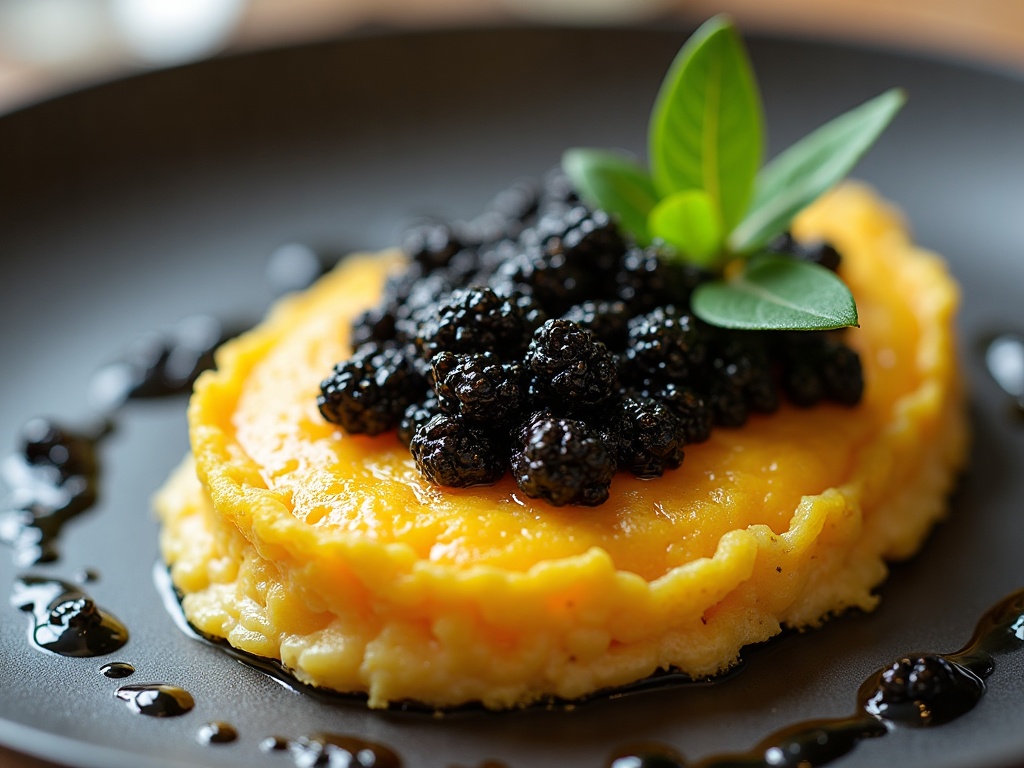
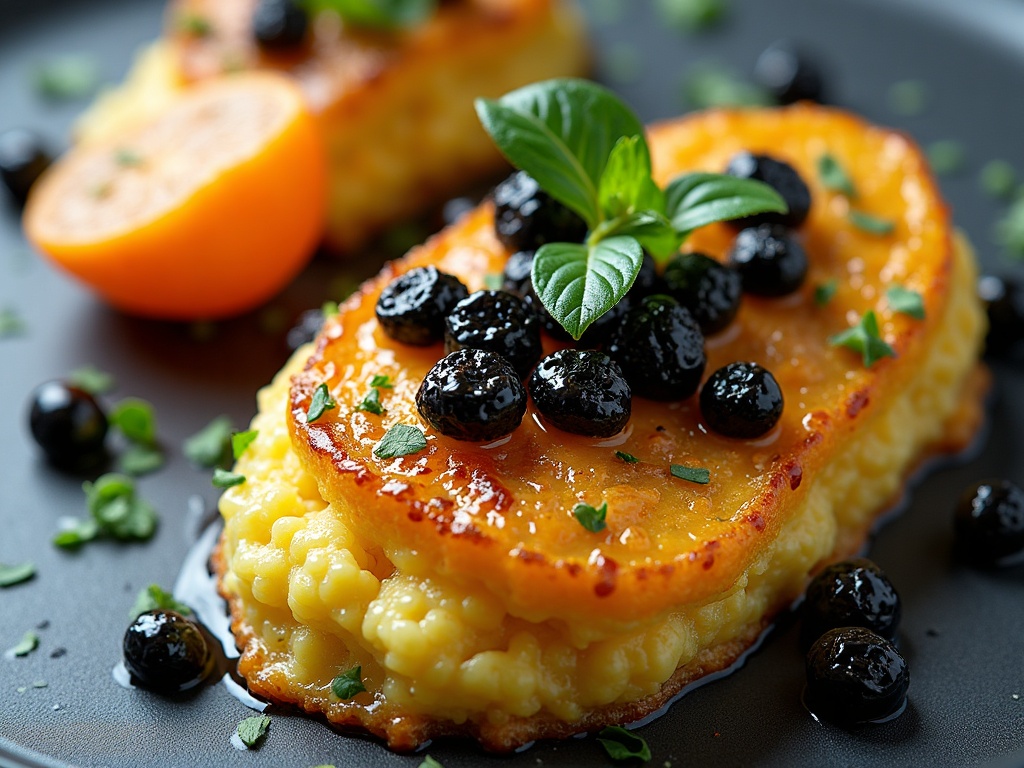
Adding caviar doesn't make the dish easier, it makes the stakes higher. The omelette has to be perfect because the caviar is unforgiving. Too brown, too dry, too set, and the contrast doesn't work. The yellow-and-cream interior has to stay slightly wet, the exterior smooth and pale, and the caviar perched on top like a gem on velvet.
This recipe gives you the technique. With practice, you'll get to the point where you can make this in 90 seconds without thinking. That's the skill that separates home cooks from people who can run a kitchen.
Key Takeaways
- 3 eggs per omelette, never more, never fewer
- Use a 22cm non-stick pan, no bigger
- Beat the eggs lightly, don't aerate them
- Cook in 90 seconds total over medium-high heat
- Caviar goes on top, after rolling, never inside

The Ingredients
Serves 1
- 3 large free-range eggs
- 15g unsalted butter
- 15-20g caviar (Oscietra recommended)
- Sea salt
- 1 tsp finely sliced chives, optional
That's it. Three ingredients plus salt. The dish is about technique, not about adding things.
For the eggs, fresh free-range with bright orange yolks. Pale supermarket eggs make pale omelettes. The Burford Brown or the Cotswold Legbar are the gold standards in the UK.
The butter must be unsalted. Salted butter throws off the seasoning balance and competes with the caviar's natural salinity.
The Method, Step by Step
Step 1: Crack and Beat the Eggs
Crack 3 eggs into a small bowl. Add a small pinch of salt. Beat with a fork for 15 seconds, just enough to combine the yolks and whites. Don't over-beat. You're not making a meringue.
The eggs should be uniform yellow with no visible streaks of white, but not foamy. Slightly homogeneous is the goal.
Step 2: Heat the Pan and Butter
Place a 22cm non-stick pan over medium-high heat. Add the butter. Let it foam, then quieten. The butter should be golden but not brown.
If the butter starts to turn brown, your heat is too high. Take the pan off briefly to cool, then return.
Step 3: Cook with Constant Movement
Pour the eggs into the pan. They should hiss slightly. Immediately start scrambling with a silicone spatula, dragging the cooked edges into the centre and tipping the pan to let raw egg run to the edges.
Continue this scrambling motion for 30-45 seconds. The eggs should look like small soft curds with very little browning. Stop scrambling the moment the bottom is set but the top is still slightly wet.
Step 4: Roll and Plate
Tilt the pan away from you. Use the spatula to fold the omelette in thirds: the far edge folds toward the centre, then the near edge folds over the top. The omelette should now look like a fat cigar.
Slide it onto a warm plate, seam-side down. The whole cooking process should take no more than 90 seconds from pouring the eggs.
Step 5: Top with Caviar
The omelette should be warm but not hot, with a smooth pale yellow surface and slightly glossy interior visible at the seams.
Spoon the caviar generously across the centre of the omelette. Around 15-20g is the right portion. Scatter chives if using. Serve immediately.

Tips for Getting It Right
Speed is everything. The whole cook is 90 seconds. If your omelette takes 3 minutes, the heat is too low and the texture goes rubbery. If it takes 45 seconds, the heat is too high and the interior is raw.
The pan size matters. A 22cm pan is right for 3 eggs. Smaller and the omelette is too thick. Larger and it's too thin and tears when rolled. Don't try to scale up by using more eggs in a bigger pan, the timing changes and the technique fails.
Slightly wet centre, not fully set. The interior should still be glossy and slightly liquid when you roll. Residual heat finishes the cooking after rolling. Fully cooked-through eggs at the rolling stage produce a dry, sad omelette.
Don't add filling inside. The classic French omelette is plain. Adding cheese, herbs, or other fillings turns it into a different dish (a Spanish tortilla or an Italian frittata). For caviar specifically, the topping format is correct, the filling format is wrong.
Warm the plate. Cold ceramic kills the texture instantly. Run hot tap water over the plate while cooking, then dry. The omelette lands warm, the caviar lands cold, the contrast is the dish.
Variations and Pairings
With Beluga: Use 20g of Beluga and skip the chives. The most delicate caviar deserves the cleanest version of the omelette. This is the version we serve at private breakfasts.
With Sevruga: Use 25g of Sevruga. The smaller, firmer pearls give a satisfying pop on the soft omelette interior. A slightly more pronounced flavour profile.
With smoked salmon: Add 30g of cold-smoked salmon ribbons across the omelette before the caviar. Adds depth without complicating the technique.
With crème fraîche: Add a small dollop of crème fraîche between the omelette and the caviar. This is the slightly more accessible version, particularly for Sevruga or Kaluga.
Wine pairing: Champagne for breakfast, Pouilly-Fumé or Chablis for lunch.
For more egg dishes with caviar, see our scrambled eggs recipe and eggs benedict post.
Frequently Asked Questions
Why is the French omelette so famously difficult?
Three reasons converge. First, the technique requires fast, confident movement that takes years to develop. Second, the timing window is narrow (90 seconds) and easy to miss. Third, the result is judged on small details: the colour of the surface (pale, never brown), the interior (slightly wet, never dry), the shape (cigar-like, never lumpy). Get any of these wrong and it's not a proper French omelette.
Can I use a different pan if I don't have a 22cm one?
For 3 eggs, a 20-24cm non-stick pan works well. Smaller and the omelette is too thick to roll cleanly. Larger and it's too thin and tears. If you only have a 28cm or 30cm pan, use 4 eggs instead of 3 to maintain the right thickness.
Why does my omelette go brown?
Three likely causes. First, the heat is too high. Second, you're scrambling for too long, exposing the bottom to the hot pan after it's already set. Third, your butter went brown before you added the eggs. Medium-high heat (not high), 30-45 seconds of scrambling, and golden (not brown) butter are the fixes.
What's the right amount of caviar for a French omelette?
15-20g per omelette is generous and proper. Less than that gets visually lost on the surface. More than that overwhelms the delicate egg flavour. For Beluga, lean toward 15g (smaller portions of luxury caviar are correct). For Oscietra and Kaluga, 20g is fine.
Further Reading
There's something elegant about a properly made French omelette with caviar. Three minutes from raw eggs to finished plate. A technique that takes a decade to perfect. And a result that tastes like the kind of breakfast you'd never make at home, except now you have.
Discover Beleaev's caviar collection, the perfect topping for a proper French omelette, at Royal Oscietra. Browse the full collection at beleaev.com.
Beleaev is an international caviar and gourmet house headquartered in London, with fulfilment hubs across the UK, Europe, the UAE, and the United States. We deliver responsibly farmed Beluga, Oscietra, Sevruga, and Kaluga caviar to customers in each region within 24 to 48 hours.