
Blinis
£5.00
4.82/5 · 38 reviews
£5.00

£8.00

£6.00

£23.90

By Alex Beleaev | Beleaev Caviar & Gourmet | beleaev.com
Twelve grapes. Twelve chimes. Twelve seconds of chaos, laughter and sticky fingers as the clock in Madrid's Puerta del Sol strikes midnight. This is Nochevieja, Spain's New Year's Eve, and it is gloriously, chaotically alive.
But before those twelve seconds? There's an entire evening of eating. And after them? Hours more. In Spain, the night doesn't end at midnight. It barely begins.
Nochevieja (literally, "Old Night") is Spain's most social celebration. Families gather for a late dinner, usually around 21:00 or 22:00, which is early by Spanish standards. The meal is long, multi-course and designed to build toward the midnight moment.
After the grapes, the party moves. Younger crowds head to clubs and bars. Families stay at the table, picking at turrones and polvorones, refilling glasses of cava, talking until 03:00 or later. Nobody has anywhere to be tomorrow. That's the whole point.
The food matters enormously. Nochevieja is when Spanish families pull out their finest ingredients, their most ambitious recipes, their secret weapons. Jamón ibérico. Fresh seafood. Roast lamb. And increasingly, for those who want to mark the evening with something truly special: caviar.
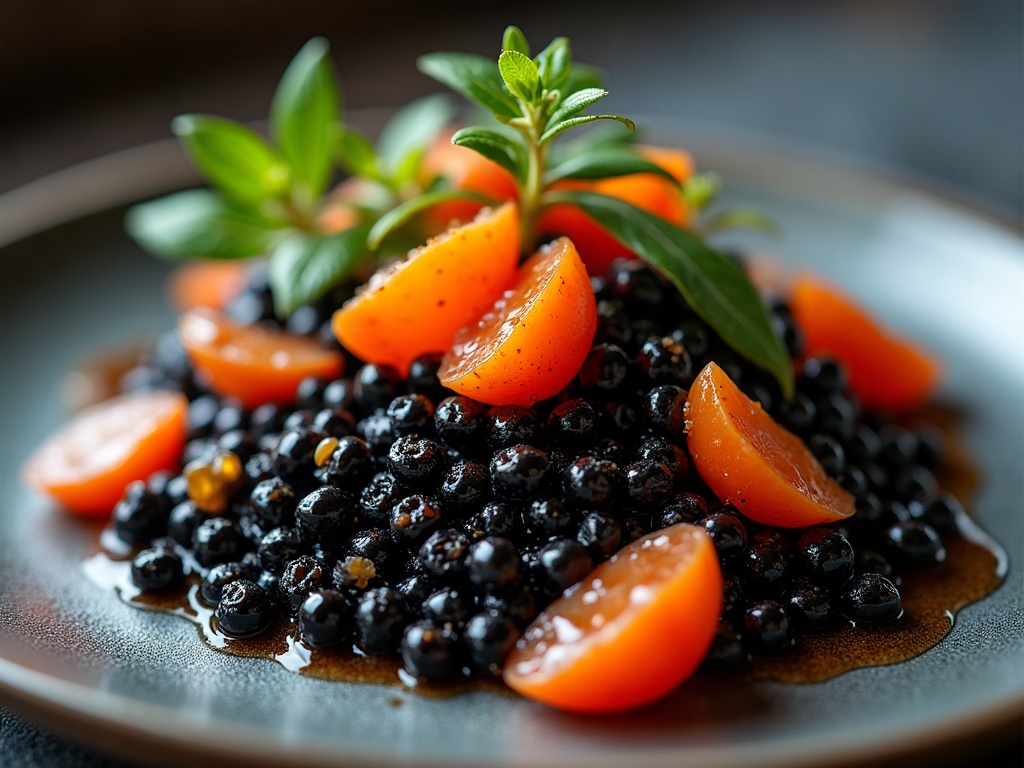
Spain might not have the same historical relationship with caviar as France or Russia. But the country has a deep, instinctive understanding of luxury ingredients. This is the nation that elevated jamón to an art form, that treats a single prawn from Huelva as a serious event.
Caviar slots naturally into this culture. It shares the same philosophy: the best ingredients, prepared simply, shared with people who appreciate them.
In Madrid, Barcelona and the Basque Country, caviar has become a fixture at upscale Nochevieja dinners over the past decade. High-end restaurants include it on their special menus. Private hosts serve it as the first course, a signal that the evening will be extraordinary.
The Basque Country deserves special mention. This region's food culture is arguably the most sophisticated in Spain. San Sebastián alone holds more Michelin stars per capita than almost anywhere on earth. Basque hosts have been serving caviar at celebrations for years, often alongside local sparkling wine (Txakoli) or a well-chosen cava.
If the Basques approve, that's all the endorsement caviar needs.
The doce uvas tradition is non-negotiable. When the clock chimes at midnight, you eat one grape per chime. Manage all twelve and you're guaranteed good luck for the coming year. Fail (and many do, cheeks bulging, grape juice running down chins) and you laugh it off.
But what comes after the grapes? That gap between midnight and the next glass of cava is a moment. A pause. The year has turned. Something should mark it.
This is where caviar earns its place. A single blini, topped with a pearl of Oscietra, eaten in that first quiet minute of the new year. It's not a tradition yet. But it could be. The best traditions start with someone deciding a moment deserves something extraordinary.
Cava, Spain's answer to Champagne, is the default drink of Nochevieja. Millions of bottles are opened at midnight. Most of it is Brut or Semi-Seco, consumed quickly between grape-eating and cheering.
But cava, especially the better ones, deserves more credit than that. A Reserva or Gran Reserva cava, aged for two or three years on its lees, develops the same toasty, biscuity character as good Champagne. At a fraction of the price. Paired with caviar, it's a revelation.
For the best results, choose a Brut Nature cava (zero added sugar). The bone-dry finish lets the caviar's own flavour take the lead. Siberian Baerii is a natural match: mild, creamy, with a finish that plays beautifully against the cava's fine bubbles.
For a bolder pairing, Oscietra brings warm, savoury depth that stands up to a richer Gran Reserva. It's the kind of pairing that makes people stop talking and just taste.
Spanish entertaining is generous. The table is always too full. There are always too many courses. This is a feature, not a flaw.
For a Nochevieja that includes caviar, place it as the first course, before the seafood and the roast. Around 22:00, when everyone has settled in and the first glasses of cava have been poured, bring out the caviar.
A few things to get right:
Keep the presentation clean. A white plate. Crushed ice. The tin, opened just moments before. Mother-of-pearl spoons, blini and crème fraîche on the side. Spanish hosts often add a squeeze of lemon, which is perfectly acceptable with milder varieties.
Don't over-explain. If some guests are new to caviar, let them discover it. A simple "try it on a blini with a little cream" is enough. The experience teaches better than any lecture.
Serve small quantities with intention. For six guests, 50g to 100g is elegant as a first course. This isn't about abundance. It's about a moment of pure quality before the feast begins.
After midnight, after the grapes, after the toasts and the dancing and the phone calls to distant relatives, Spanish families often return to the table. This is when cold cuts reappear, when someone finds more bread, when the conversation gets quieter and more honest.
Set aside a small tin of caviar for this moment. At 02:00, when the energy shifts from celebration to intimacy, a bite of caviar with the last of the cava is a perfect full stop to the old year and a quiet beginning to the new one.
Barcelona celebrates on the Plaça de Catalunya, where thousands gather for the grape countdown under the city's electric sky. In Seville, the night is warm enough for outdoor dining, with Nochevieja tables set on patios beneath orange trees. Valencia lights up the old town with fireworks that rival its own Fallas festival. Each city brings its own character, its own flavours.
But everywhere in Spain, the principle holds: Nochevieja is the night you bring your best. The best food. The best company. The best of whatever makes you feel alive.
Caviar is an invitation to make that night even brighter.
Caviar has become increasingly popular at upscale Nochevieja celebrations, particularly in Madrid, Barcelona and the Basque Country. While seafood has always been central to Spanish festive dining (prawns, lobster, percebes), caviar is a natural extension of that tradition. It's growing rapidly among hosts who want to elevate their celebration.
A Brut Nature cava, especially a Reserva or Gran Reserva, pairs beautifully with caviar. The bone-dry finish and fine bubbles complement the caviar's salinity. For the best match, choose a well-aged cava from Penedès and serve it very cold. Visit beleaev.com to find the right caviar for your pairing.
The grapes are eaten at midnight, one per chime of the clock. Plan your caviar course for earlier in the evening (around 22:00) as the opening act of dinner. Then, after the grapes and the toast at midnight, a small second serving of caviar makes a wonderful way to begin the new year.
Order at least one week ahead. The Christmas and New Year period is the busiest time for caviar, and premium varieties can sell out. Beleaev.com delivers across Europe, so order early to ensure your Nochevieja spread includes the variety you want.
Explore our collection at beleaev.com and discover something worth celebrating.
Beleaev Caviar & Gourmet is an international caviar and gourmet company sourcing responsibly farmed Baeri, Oscietra, Imperial and Beluga caviar, delivered within 24-48 hours. Next-day delivery across the United Kingdom.


 447706084493


