
Blinis
£5.00
4.82/5 · 38 reviews
£5.00

£8.00

£6.00

£23.90

By Alex Beleaev | Caviar & Gourmet, London | beleaev.com

Cultured butter, crème fraîche and Greek yoghurt all start as one thing: cream or milk, plus friendly bacteria, plus time. The bacteria turn some of the sugar into acid, the texture thickens, and a gentle tang develops that fresh dairy simply does not have. That ferment is the whole point. It is what separates a proper French crème fraîche from a tub of single cream, and a strained Greek yoghurt from the thin stuff.
And one of these three has a particular job at the caviar table. Crème fraîche, spooned under a pearl of caviar on a warm blini, is the classic companion the Caspian hosts and the French settled on long ago. So here is what each one actually is, how the culture works, and where each belongs in the kitchen.
Key Takeaways
- Culturing means fermenting cream or milk with live bacteria until it thickens and turns gently tart
- Crème fraîche is the natural partner for caviar and blinis, and it will not split when heated
- Cultured butter is churned from soured cream, giving a deeper, faintly nutty flavour
- Strained Greek yoghurt is denser and richer than set yoghurt, with no need for stabilisers
- Discover the range in the Beleaev pantry and larder
Fresh cream and fresh milk are sweet and mild. Culturing changes that.
You add a starter culture, a measured dose of friendly bacteria, and hold the cream or milk warm for several hours. The bacteria feed on the milk sugar (lactose) and produce lactic acid. That acid does two things at once. It thickens the dairy, because acid causes milk proteins to draw together, and it builds flavour, a clean, lifted tang that grows the longer the ferment runs.
The result is more stable, more savoury, and more interesting on the plate. It is the same principle behind soured cream, but the dairy you start with and the length of the culture decide what you end up with.
Crème fraîche is heavy cream cultured with friendly bacteria until it thickens and develops a gentle acidity. Denser than single cream, softer than soured cream, it carries a quiet nutty note that comes from the long ferment.
Our Crème Fraiche, Fresh, 170g is made in France, and its mild tang is exactly why it works under caviar: it carries the flavour without competing with it. Spoon a little onto a warm blini, lay the caviar on top, and the cool cream sets off the saline pop of the roe. This is the partnership at the heart of any caviar service, and the reason a pot of crème fraîche belongs beside the tin.
Its other talent is heat. Crème fraîche will not split when warmed, which makes it the cream of choice for finishing hot dishes. Fold it through a pasta sauce, swirl it into soup off the heat, or dollop it on roast potatoes. A single 170g pot is plenty for a full caviar service, with enough left for a weekend of cooking.
Most supermarket butter is sweet-cream butter, churned from fresh cream. Cultured butter takes a different route: the cream is fermented first, then churned.
That short ferment is what you taste. Cultured butter has a deeper, rounder flavour and a faint tang, the savoury complexity that French and Northern European butters are known for. It is the butter you want on good bread, melting into a steak, or laminated through pastry.
Our Estate Dairy butter comes as a 250g roll in two styles, and the choice between them is simply about control.
| Butter | Salt | Best for | Size |
|---|---|---|---|
| Salted Roll | Salted | Bread, finishing, the table | 250g |
| Unsalted Roll | None | Baking, pastry, sauces where you season | 250g |
Reach for the salted roll when the butter is the point: spread thick on sourdough, melted over asparagus, or finishing a sauce. The unsalted roll is the baker's choice and a kitchen staple, essential for pastries and any recipe where you want to control the salt yourself.
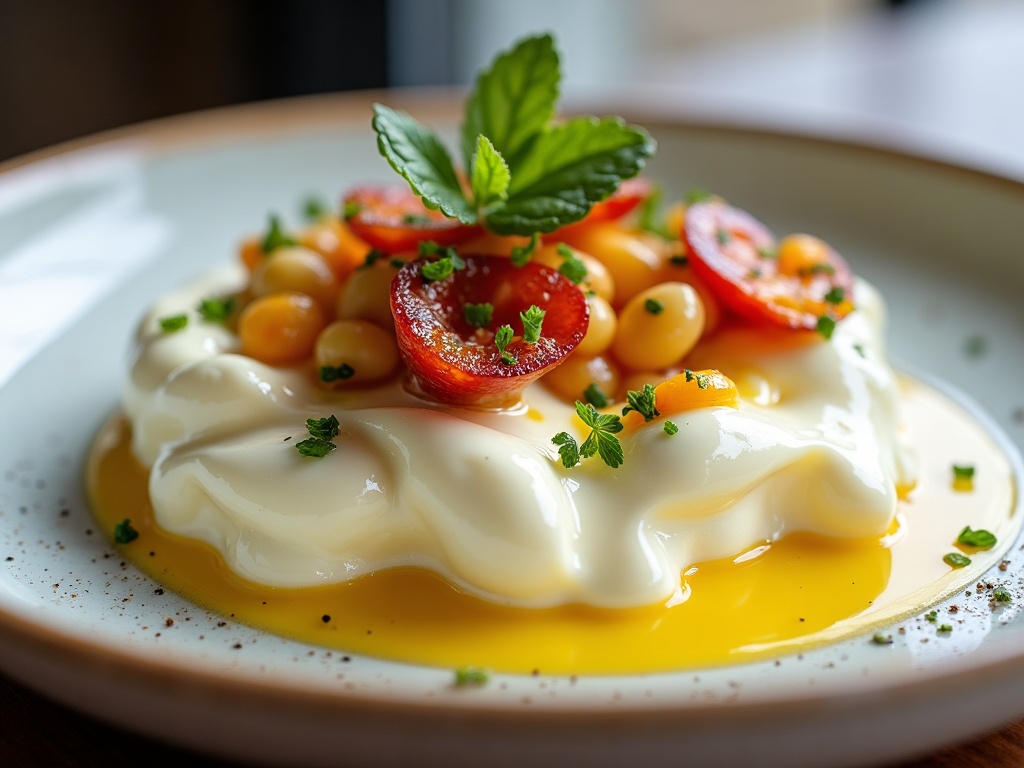
Greek yoghurt is not a separate kind of milk. It is yoghurt that has been strained to remove much of the watery whey, which is why it ends up so dense and rich.
Our Greek Yoghurt, 500g from Estate Dairy is made with non-homogenised whole milk from a pedigree herd. The milk is gently pasteurised, cultured with lactobacillus, then strained to a luxurious, dense texture. There are no additives and no stabilisers, which is rarer than it sounds: a lot of thick-looking yoghurt owes its body to added thickeners rather than to straining.
Non-homogenised matters too. Leaving the cream undisrupted gives the yoghurt a fuller mouthfeel and a cleaner dairy flavour. Eat it with honey and fruit, stir it into a marinade, or use it where you would soured cream for a lighter result.
A quick map of where these three belong.
Crème fraîche is for richness with a clean finish: under caviar, folded into hot sauces, swirled through soup, on warm fruit. It is the most versatile of the three at the table.
Cultured butter is for flavour you can taste on its own: bread, finishing vegetables and steak, and pastry. Salted for the table, unsalted for baking.
Greek yoghurt is for body without heaviness: breakfast with honey, marinades, dips, and as a lighter stand-in for cream.
Frankly, most cooks own all three without thinking of them as a family. They are, and the thread that links them is the same gentle ferment.
Both are cultured, but crème fraîche is made from heavier cream and has a higher fat content, so it is richer and far more stable when heated. Soured cream tends to split if it gets too hot. Crème fraîche holds, which is why it finishes hot dishes so well.
Its mild, clean tang carries the flavour of the caviar without competing with the delicate roe. Spooned onto a warm blini under the caviar, the cool cream balances the salinity and adds a gentle richness. It is the classic accompaniment for good reason.
It is not better, but it is different. Culturing the cream before churning gives the butter a deeper, faintly nutty, tangy flavour that sweet-cream butter lacks. For spreading on bread or finishing a dish it shines. For neutral baking, many cooks still prefer unsalted sweet-cream butter.
Greek yoghurt can split under high heat because of its protein structure. Stir it in off the heat, or temper it gently, and it behaves. For dishes that need long, hot cooking, crème fraîche is the more reliable choice as it holds together.
Once opened, keep it sealed in the fridge and use it within a few days, as you would any fresh cream. Our 170g pot is sized for a full caviar service with enough left for a weekend of cooking, so little tends to go to waste.
Cultured cream, churned butter, strained yoghurt: three small luxuries that turn ordinary cooking into something considered.
Explore the Beleaev pantry and larder, or start with the two that matter most for entertaining: a pot of crème fraîche for your next caviar service and a salted Estate Dairy butter roll for the bread alongside. When you are ready to stock the fridge, our companion guide covers how to buy artisan butter, crème fraîche and yoghurt online.


 447706084493


