 Black Friday −25%
Blinis
$4.50
$6.00
Black Friday −25%
$4.50
$6.00
 Black Friday −25%
$7.50
$10.00
 Black Friday −25%
$6.00
$8.00
 Black Friday −25%
$24.00
$32.00

By Beleaev Family | Beleaev Caviar & Gourmet | beleaev.com
A caviar platter is one of those dinner-party items that looks intimidating but isn't. The whole thing takes 20 minutes to assemble, requires no cooking beyond a couple of hard-boiled eggs, and produces a centerpiece that draws every guest to the same end of the table.
There's a traditional way to do it. Caviar in the center, surrounded by an arc of accompaniments: chopped hard-boiled egg whites, chopped yolks, finely diced shallot, sour cream, lemon, blinis, toast points. Each guest builds their own bite from the components, deciding exactly how much caviar and how much of everything else.
The reason this format has survived 150 years is that it works. People love assembling their own food. They love the visual arc of components on the plate. And they love being trusted to portion their own caviar, rather than having a nervous waiter dole it out.
Key Takeaways
- Plan about 1 oz (30 g) of caviar per person if it's the main appetizer, 0.7 oz (20 g) if alongside other dishes
- Always serve caviar in its tin, set in crushed ice
- Use mother-of-pearl, bone or plastic spoons, never metal
- Traditional accompaniments are 7: egg yolk, egg white, shallot, sour cream, lemon, blinis, toast
- Build caviar last, so it's the freshest element on the plate
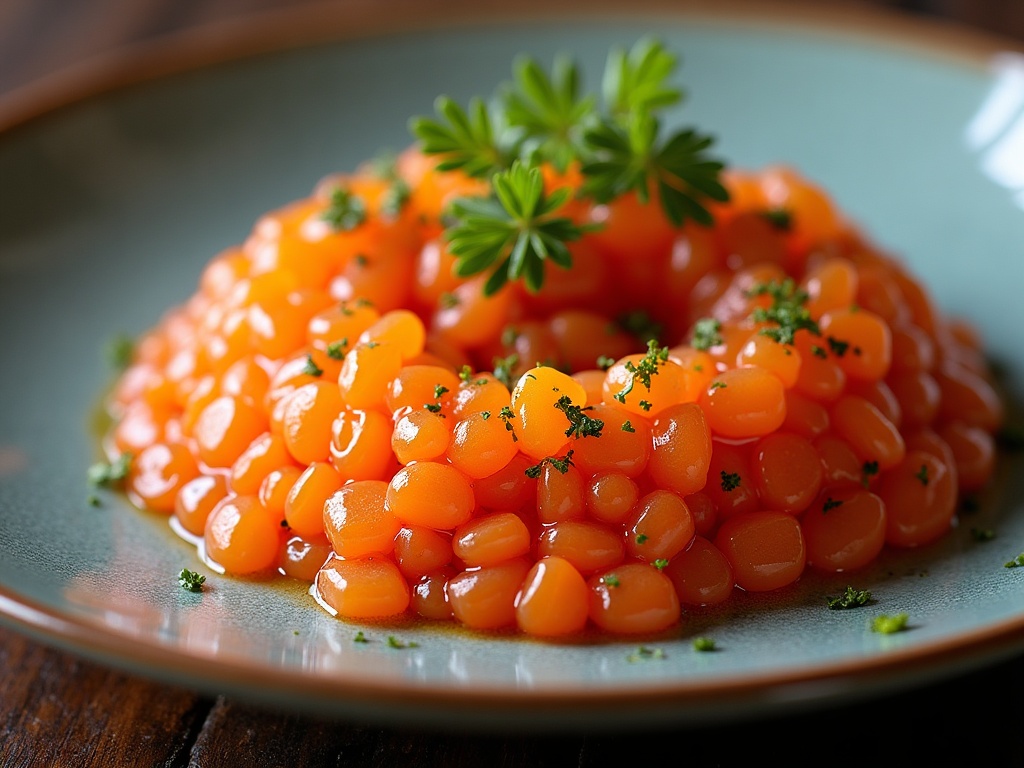
Serves 6 as an appetizer
For the caviar:
For the accompaniments:
For the platter (visual elements):
The caviar choice is yours. For a single variety, Royal Osetra is the safest crowd-pleaser: nutty, firm and good across all accompaniments. For a tasting platter, serve three varieties side by side, about 2 oz (60 g) of each: Siberian Sturgeon (Baeri), Royal Osetra and Golden Kaluga Hybrid. This lets guests compare and discover their preference. The classic tasting trio often includes Beluga or Sevruga; Beleaev does not offer Beluga in the US, and we recommend Golden Kaluga Hybrid for large, buttery pearls.
Toast 4 slices of good white sourdough or brioche until deep golden. Cut off the crusts. Cut each slice diagonally into 4 small triangles, giving you 16 toast points (you'll have a few extra in case some break).
The toast points should be small enough that one is eaten in 2 bites. About 1 1/2 inches (4 cm) on the longest side is right.
Hard-boil the eggs for exactly 10 minutes from the moment the water returns to a boil. Cool in ice water for 5 minutes, then peel.
Separate the yolks from the whites. Push each through a coarse sieve into separate bowls, or chop very finely with a sharp knife. The texture should be fluffy and almost crumb-like, not paste-like.
Peel and finely dice the shallots. Aim for 1/8-inch (2–3 mm) cubes. Soak the diced shallot in cold water for 5 minutes, then drain on paper towels. This removes some of the harshness and keeps the shallot crisp.
If you're not a shallot fan, finely sliced scallion works as a substitute, though the flavor is sharper.
Set the caviar tins (still sealed) in a small bowl of crushed ice. Don't open them until guests arrive.
On a large wooden board or platter, arrange the small ramekins of accompaniments in an arc around where the caviar will sit: chopped egg whites, chopped egg yolks, diced shallot, sour cream, lemon wedges, chives, dill.
Stack the blinis in two short towers at the edge of the board. Pile the toast points in a small basket lined with a linen napkin.
Just before serving, open the caviar tin and place it on the ice. Hand each guest a mother-of-pearl spoon. Do not start serving for them: the format is built around self-assembly.
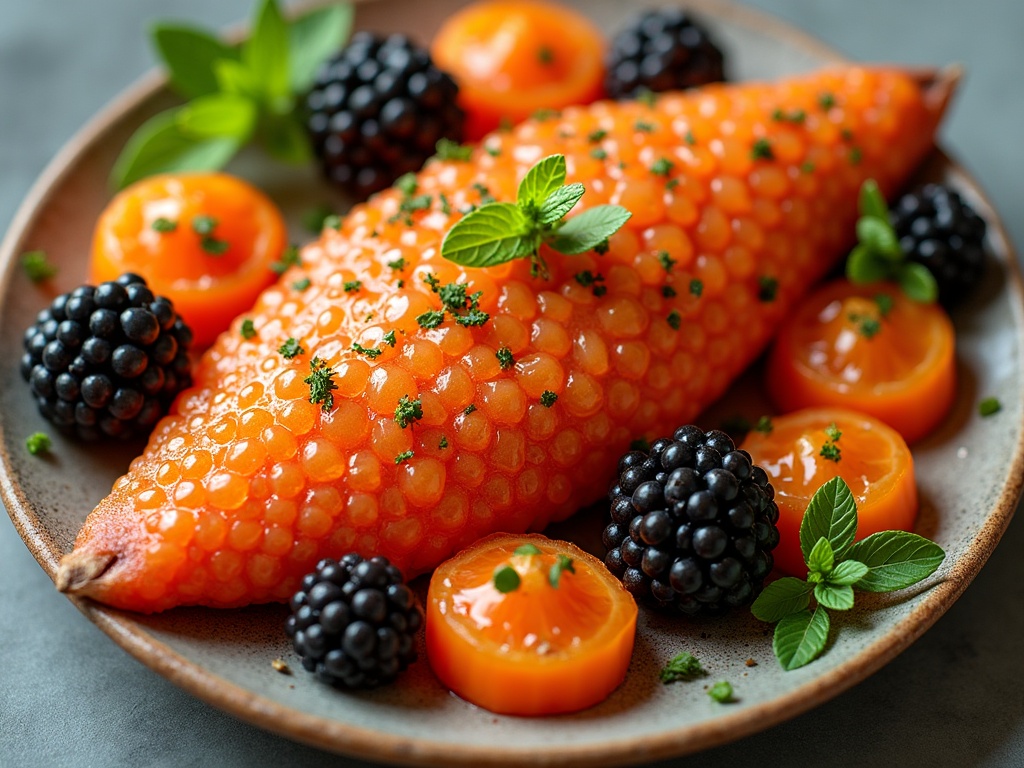
The traditional Caspian method:
1. Take a blini or toast point onto your plate
2. Add a small dollop of sour cream
3. Top with a generous spoon of caviar
4. Garnish with a tiny pinch of egg yolk, egg white and shallot
5. Squeeze a tiny drop of lemon onto the bread, never onto the caviar
6. Eat in 2 bites
Guests vary their builds across multiple bites. Some prefer caviar with just sour cream. Others love the full traditional combination. Some skip the eggs entirely. The platter accommodates everyone.
Buy the right amount of caviar. The single biggest mistake hosts make is under-buying. About 6 oz (180 g) for 6 people is the right portion for an appetizer. If you buy 3.5 oz (100 g) and try to stretch it, guests notice and the platter feels mean. If you buy 8.8 oz (250 g), you have leftovers: cover the opened tin with plastic wrap, refrigerate and enjoy within 24–48 hours.
Keep everything cold. Caviar at room temperature loses its pop within 20 minutes. Set the tin in crushed ice. Keep the sour cream cold until serving. Even the eggs should come from the refrigerator, not be warm.
Use the right spoons. Metal spoons (silver, steel) react with caviar and can leave a faintly metallic aftertaste. Mother-of-pearl is the textbook choice. Bone, plastic or wood also work. If you don't have any, the inexpensive plastic spoons that come with most caviar tins are fine.
Don't pre-portion. The whole point of a platter is self-service. Pre-portioning into individual bites strips the format of its theater and removes guests' control over their own consumption.
Open the tin at the table. The visual ceremony of breaking the seal in front of guests is part of the experience. Don't open the tin in the kitchen. Don't decant the caviar into a separate bowl unless you absolutely must.
Single-variety platter: Choose about 6 oz (180 g) of one caviar (Royal Osetra is the safest choice for mixed groups). Easier to source and easier on the budget.
Tasting platter: About 2 oz (60 g) each of three varieties: Siberian Sturgeon (Baeri), Royal Osetra and Golden Kaluga Hybrid. Place them in separate small bowls on ice with labels, allowing guests to compare. This is the version we recommend for first-time caviar dinners with friends who want to learn. The Beleaev Signature Tasting Set in 3 x 1.75 oz (50 g) brings all three in one box.
Caspian-influenced platter: Add small shot glasses of frozen vodka, a bowl of pickled cucumbers and small slices of black bread alongside the traditional accompaniments. This is the format you'd find at a proper Caspian zakuski table.
Modern minimal platter: Skip the eggs and shallot. Serve only caviar, sour cream, blinis and chives. Cleaner visually, less work, still authentic.
Wine pairing: Champagne, ideally Blanc de Blancs. Frozen vodka if you want the Caspian experience. Avoid heavy reds and oaked whites entirely.
For more on what to serve with caviar at dinner, see our caviar etiquette guide and our caviar tasting at home walkthrough.
For 6 people as an appetizer: 6–7 oz (180–200 g). For 6 as a main snack alongside other items: about 4.2 oz (120 g). For 12 people at a cocktail party: about 10.5 oz (300 g). The rule is roughly 1 oz (30 g) per person if caviar is the centerpiece, 0.7 oz (20 g) if it's one of several offerings. Always round up rather than down. Guests notice when caviar runs out.
Yes, with limits. Prepare all accompaniments (eggs, shallots, sour cream, blinis, toast points) up to 4 hours ahead and refrigerate. Open the caviar tin and place it on ice only as guests arrive, not before. Once opened and warmed, caviar starts to lose its peak texture within 20–30 minutes.
The platter still works. Replace the chopped eggs with finely sliced cucumber rounds and a small bowl of caper berries. This gives the same color palette (white and pale green) and a similar textural function. Some Caspian hosts also add finely diced beets for color, particularly at New Year's Eve celebrations.
It's not strictly necessary but it's the textbook choice. Mother-of-pearl, bone, plastic and wood are all chemically inert and don't interact with the caviar. Silver and stainless steel can leave a faint metallic note. If you're investing in caviar, the modest cost of a set of small mother-of-pearl spoons from a specialist supplier is worth it.
There's a moment when a caviar platter goes from being something you assembled to being something the table is sharing. Guests start passing the blinis, swapping bites, agreeing or disagreeing about which variety they prefer. That's the moment this format exists for.
Build yours around a tin of Royal Osetra Caviar, or browse the full Beleaev caviar collection.
Beleaev offers farm-raised sturgeon caviar from certified aquaculture, shipped across the United States overnight on ice, Monday to Thursday, by UPS or FedEx.


 +1 866‑291‑9983(Mon–Fri, 9 AM–5 PM PT)


