 Black Friday −25%
Blinis
$4.50
$6.00
Black Friday −25%
$4.50
$6.00
 Black Friday −25%
$7.50
$10.00
 Black Friday −25%
$6.00
$8.00
 Black Friday −25%
$24.00
$32.00

By Alex Beleaev | Beleaev Caviar & Gourmet | beleaev.com
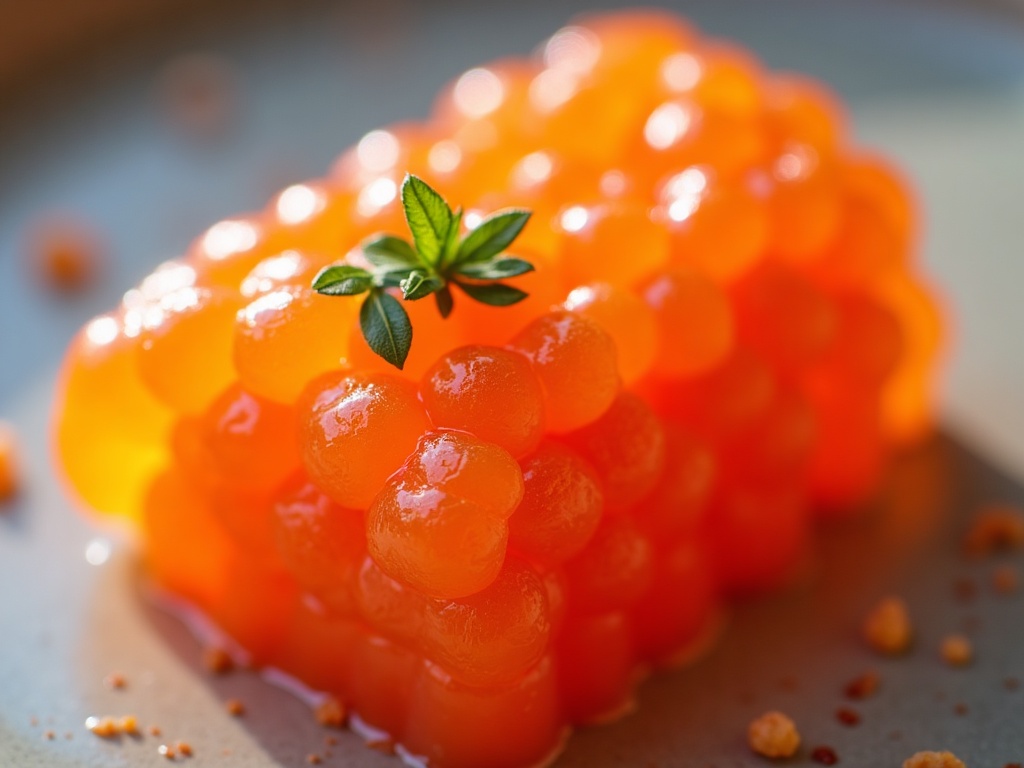
Wild salmon roe, known in Japan as ikura, is the bright orange counterpart to sturgeon caviar. Large, glossy pearls that burst on the tongue with a clean briny note and a quiet sweetness. Where sturgeon caviar whispers, salmon roe sings. That is the whole appeal in a sentence.
It is also one of the most misunderstood delicacies on the table. People call it caviar, then wonder why it tastes nothing like the gray tins. So here is what wild salmon roe actually is, how it differs from sturgeon caviar, and why those orange pearls deserve a place of their own.
Key Takeaways
- Salmon roe (ikura) is the egg of the salmon; true caviar comes from sturgeon
- Large-grade pearls run between 5.5 and 6.9 mm, with a vibrant translucent orange color
- Wild salmon roe is wild-caught, hand-graded and salt-cured the traditional way
- The flavor is bright and briny-sweet, with a clean oceanic freshness
- Curious about the sturgeon side? Explore the Beleaev caviar collection
Salmon roe is exactly what it sounds like: the ripe eggs of the salmon, separated from the skein, gently cured, and served whole.
In Japan it is called ikura, a word borrowed from the Caspian ikra, and it sits at the heart of sushi counters and celebration tables alike. The pearls are far larger than sturgeon caviar, translucent rather than opaque, and colored a vivid orange that ranges from amber to deep coral depending on the fish.
Large "XXL" grades are typically taken from wild King salmon in cold northern waters, with Canada long recognized as a heartland of fine salmon roe. The salmon is wild-caught, never farmed, and each pearl runs large and juicy, between 5.5 and 6.9 millimeters, with a delicate outer membrane that gives way with a soft, satisfying pop. Beleaev does not offer salmon roe in the US; our US range is sturgeon caviar.
This is where most guides get it wrong, so let us be precise. Strictly speaking, only the salted roe of the sturgeon is true caviar. Salmon roe is roe, not caviar, even though it is often sold under the caviar name.
The two could hardly be more different on the plate. Sturgeon caviar gives you small gray-to-black pearls, a firm texture, and a refined, mineral, nutty character that builds slowly. Salmon roe gives you big orange beads, a generous burst, and an immediate hit of bright marine umami. One is a quiet, ceremonial pleasure. The other is joyful and unmistakably gourmet.
| Wild Salmon Roe (Ikura) | Sturgeon Caviar | |
|---|---|---|
| Source | Salmon (wild-caught) | Sturgeon (aquaculture) |
| Pearl size | Large, 5.5 to 6.9 mm | Small, 2.4 to 5.5 mm |
| Color | Vibrant translucent orange | Gray, charcoal, gold to platinum |
| Texture | Big, juicy, generous burst | Firm, fine, a soft pop |
| Flavor | Bright, briny-sweet, oceanic | Mineral, nutty, buttery, refined |
Neither is better. They are different languages for the same idea. If you are coming to roe for the first time and want the full sturgeon story, our Siberian Sturgeon (Baeri) is the gentle, approachable starting point, silky and refined, with sweet cream, light almond and clean salinity, while wild salmon roe is the brighter, more exuberant alternative.
The method is traditional and surprisingly hands-on.
After the wild salmon is caught, the skeins of eggs are removed and carefully separated so each pearl stays whole and intact. The roe is then hand-graded for size and clarity, and salt-cured the traditional way, which seasons the pearls and preserves that vivid brightness without masking the natural taste of the sea.
Good salmon roe should look like polished glass: clear, glossy, each bead distinct rather than clouded or collapsed. That clarity is the mark of careful handling, from the cold water to the tin.
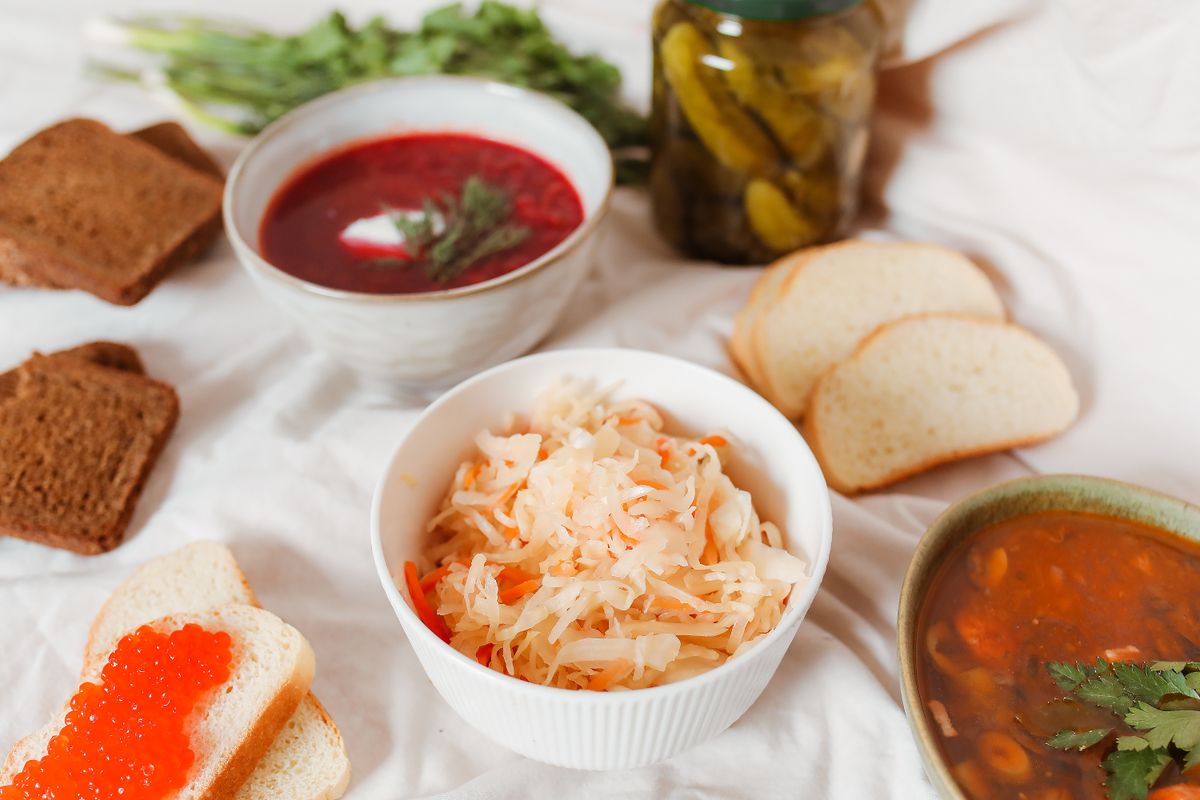
Picture biting into a wave. That is the closest description we have.
On the spoon, wild salmon roe opens with a clean briny note and a quiet citrus lift. The mid-palate brings a bright burst of marine umami and a delicate sweetness, the kind of fresh, joyful flavor that makes people smile mid-bite. It is less about subtle layers and more about clarity and brightness, an honest taste of cold, clean ocean.
Because the flavor is so vivid, salmon roe is wonderfully versatile. It does not demand the reverent hush of a sturgeon tasting. It is happy on a blini at a party, crowning a bowl of rice, or finishing a plate of scrambled eggs on a slow weekend morning.
Keep it cold, keep it simple, and let the pearls do the talking.
On blinis. The classic. A warm mini blini, a little crème fraîche, a generous spoon of roe. The acidity and the cool cream set off the briny burst perfectly. The same base works just as well with a spoonful of sturgeon caviar.
On rice. The Japanese way. Spoon ikura over warm sushi rice as a donburi, or fold it into hand rolls. The gentle rice lets the roe shine.
On eggs. Soft scrambled eggs or a buttery omelet, finished with a spoonful of orange pearls and a few chives. A breakfast that feels like an occasion.
On its own. Chilled, with a mother-of-pearl spoon, and nothing else. Metal cutlery can taint the flavor, which is why a mother-of-pearl spoon is the traditional choice.
A note on temperature: serve roe cold, straight from the refrigerator, between 32 and 39°F (0 and 4°C). Warm pearls lose their snap and their freshness.
For all the romance of sturgeon caviar, wild salmon roe has its own quiet case to make.
The pearls are large and visually striking, so a little goes a long way on a canapé or a platter. The flavor is approachable, which makes it an easy introduction for guests who find sturgeon caviar too understated. And it pairs effortlessly across a meal, from breakfast eggs to a festive spread, in a way the gray tins rarely do.
It is, frankly, the most fun member of the caviar family. Bright where the others are reserved, generous where they are precise.
Not strictly. True caviar is the salted roe of the sturgeon. Salmon roe, or ikura, comes from salmon, and is technically roe rather than caviar, though it is often sold under the caviar name. Both are cured fish eggs, but they differ greatly in size, color and flavor.
The color comes from the fish. Salmon eggs are naturally a vivid translucent orange, tinted by the same pigments that color salmon flesh. Sturgeon roe ranges from charcoal gray to gold and platinum. The difference is purely a matter of species, not quality.
Bright and briny-sweet, with a clean oceanic freshness, a subtle citrus lift and real umami depth. The large pearls burst on the tongue rather than melting, giving a generous, joyful mouthfeel. It is more exuberant and immediate than the refined, mineral character of sturgeon caviar.
Cold and simply. Serve it on blinis with crème fraîche, over warm sushi rice as a donburi, folded into hand rolls, or spooned onto soft scrambled eggs. A mother-of-pearl spoon keeps the flavor pure, since metal can taint the delicate pearls.
Keep it chilled between 32 and 39°F (0 and 4°C) and follow the date printed on the pack while it is unopened. Once opened, enjoy it within a few days. Always keep it refrigerated and serve it straight from the cold.
Sturgeon caviar will always have its ceremony. But for sheer brightness and joy, the orange pearls take some beating.
When you are ready for the sturgeon side of the family, start with the Siberian Sturgeon (Baeri) Caviar Set, which arrives with complimentary mini blinis ready to serve, or browse the full Beleaev caviar collection. And for a deeper look at the orange pearls, read our guide to salmon caviar (ikura). Every caviar order ships overnight on ice across the United States.


 +1 866‑291‑9983(Mon–Fri, 9 AM–5 PM PT)


