 Black Friday −25%
Blinis
$4.50
$6.00
Black Friday −25%
$4.50
$6.00
 Black Friday −25%
$7.50
$10.00
 Black Friday −25%
$6.00
$8.00
 Black Friday −25%
$24.00
$32.00

By Alex Beleaev | Beleaev Caviar & Gourmet | beleaev.com
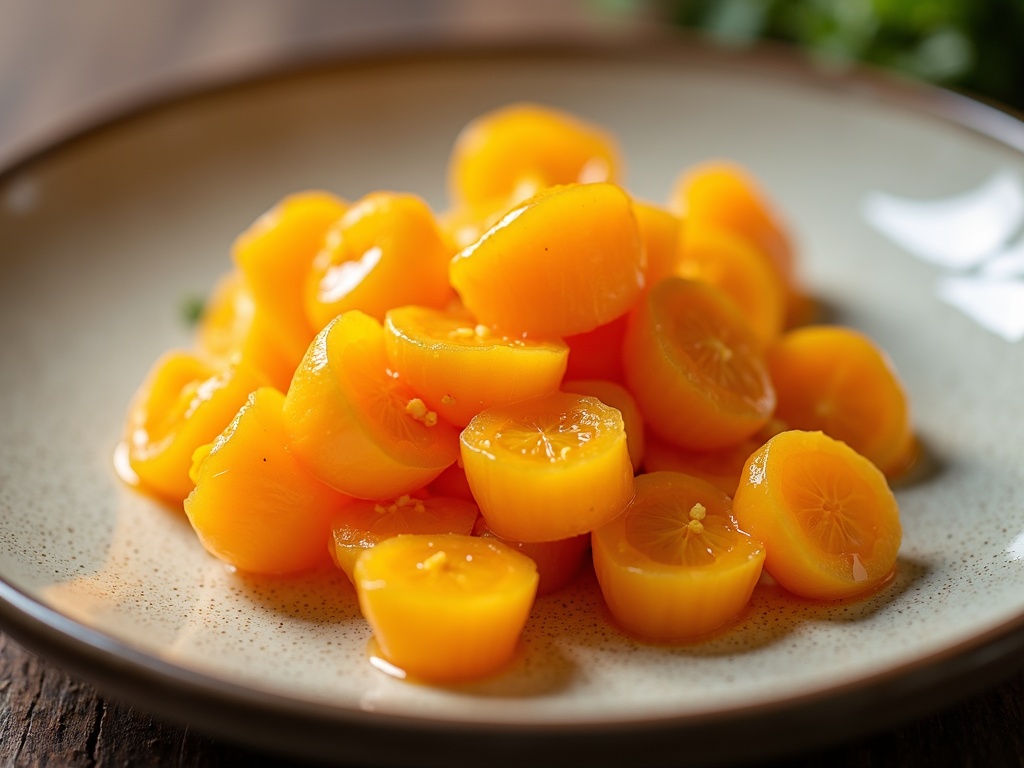
You can buy proper gray mullet bottarga from specialist sellers and have it shipped to your door, no trip to a Sardinian deli required. The trick is knowing what good bottarga looks like, and how to use it once it arrives, because this is a seasoning to grate, not a fillet to fry. This guide covers both.
Beleaev does not currently sell bottarga in the US; our US range is sturgeon caviar. Below: what to look for when you buy bottarga, how much you need, and the plain Sardinian method that does it justice over a bowl of pasta.
Key Takeaways
- Bottarga is salt-cured, air-dried gray mullet roe, sold as a firm amber block
- Look for gray mullet (muggine), a deep amber color and an Italian origin
- A block of around 3.2 oz (90 g) seasons many plates: a little goes a long way
- Grate or shave it over hot pasta at the end, off the heat
- For whole pearls rather than a grated seasoning, explore the Beleaev caviar range
Not all cured roe is equal, and the label tells you most of what you need to know.
Gray mullet, first of all. Gray-mullet bottarga is bottarga di muggine, made from gray mullet: delicate, nutty and versatile. Tuna bottarga (di tonno) is darker and stronger, a different product. Either can be used in cooking according to its flavor and exact label. The product described in this guide is gray mullet, made in Italy.
Color and form. Good bottarga is a firm, dense block with a deep amber-orange interior, the color earned through slow drying. It should feel solid, not soft, and slice cleanly. Color and firmness alone do not verify the curing time, fish identity or handling history; read the exact label.
Origin and method. Sardinia and Sicily are the heartland, and a clear Italian origin with a salt-cured, air-dried method is what you are after. If the label does not establish fish identity or origin, ask for the missing information before buying.
Less than you think. This is the most common surprise for a first-time buyer.
Bottarga is a finishing seasoning, grated in small amounts, so a single block stretches a remarkably long way. A block of around 3.2 oz (90 g) will season many bowls of pasta over several meals, because each plate needs only a generous grating rather than a thick slice. Think of it the way you would a truffle or a hard grating cheese: a little, added with intent.
| Bottarga | |
|---|---|
| Fish | Gray mullet (muggine) |
| Form | Firm amber block, vacuum-packed |
| Net weight | Around 3.2 oz (90 g) for a typical block |
| Origin | Made in Italy |
| Best use | Grated over pasta, risotto, eggs |
That economy is part of the appeal. A modest block of gray mullet bottarga is stored according to its pack and turns pantry pasta into something you would serve a guest, again and again. If you are building a wider roe spread, pair it with a tin of Siberian Sturgeon (Baeri) caviar for the whole-pearl side of the table.
Coat 11.3 oz (320 g) of spaghetti in lemon butter and finish four bowls with 0.35 oz (10 g) of grated mullet bottarga each. The recipe uses 1.4 oz (40 g) edible bottarga from one approximately 3.2 oz (90 g) pack and 1.4 oz (40 g) of plain salted dairy butter.
| Ingredient | Recipe amount | Pack to buy |
|---|---|---|
| Bottarga, about 3.2 oz (90 g) | 1.4 oz (40 g) edible grated weight | 1 x approximately 3.2 oz (90 g) piece |
| Plain salted dairy butter | 1.4 oz (40 g) | 1 pack |
| Spaghetti | 11.3 oz (320 g) dry | 1 x 1 lb (454 g) box |
| Lemon zest | 2 g (about 1 teaspoon) | 1 unwaxed lemon |
| Lemon juice | 2 teaspoons (10 ml) | From the same lemon |
| Extra-virgin olive oil | 4 teaspoons (20 ml) | 1 bottle |
| Flat-leaf parsley | 0.35 oz (10 g), finely cut | 1 bunch |
| Black pepper | 4 twists | From the pantry |
Bottarga is cured mullet roe, not sturgeon caviar. It contributes seasoning, and the plain salted butter is salted, so this specification adds no salt until the pasta water and exact bottarga have been assessed.
Different pasta releases different starch. Reserve about 7 fl oz (200 ml) cooking water and add it gradually. The initial 1/3 cup (80 ml) is a starting quantity, not an instruction to pour in the full reserve. Keep the sauce coating the strands rather than pooling.
Fish, milk and wheat, including gluten, are present. Pasta may contain egg and exact labels may add cross-contact statements. Follow the bottarga and butter pack directions after opening. Serve pasta promptly and use safe cooked-pasta cooling practice for any plain remainder. No leftover life is set for the finished dish.
Pasta is the headline, but a block of bottarga earns its place across the week.
Shave it thinly over soft scrambled eggs, where the warmth releases its aroma without cooking it out. Grate it over a finished risotto in place of, or alongside, a hard cheese. Or serve it the simplest way of all: cut into thin slices as an antipasto, dressed with unfiltered olive oil and a squeeze of lemon, eaten as it is.
It also makes a quiet, clever partner for caviar lovers building a tasting spread. A board with a tin of fine roe, a few slices of bottarga and good bread covers the full range of cured-roe flavor, from the soft sturgeon egg to the dense Mediterranean block. For the caviar side, Royal Osetra brings toasted hazelnut and brioche notes, and warm blinis carry it neatly.
Beleaev does not sell bottarga in the US, so check price, pack weight and availability with the seller you choose, and review the shipping options at their checkout.
The gray-mullet listing described here directs cool, dry storage while sealed and wrapping and refrigeration after opening, with best use within thirty days. Follow the exact received pack if its instructions differ and respect any use-by date. Curing alone is not a reason to ignore temperature or opened-pack directions. Caviar is different: Beleaev ships it overnight on ice, Monday to Thursday, by UPS or FedEx, and unopened tins belong in the coldest part of the refrigerator at 36–39°F (2–4°C).
For the background and comparisons with sturgeon caviar and other roe, read the bottarga guide.
Online, from gourmet specialists who name the fish and the origin, or from a good Italian deli. Beleaev does not currently sell bottarga in the US. Look for bottarga di muggine, a firm amber block and a clear Italian origin, rather than vague packaging that names neither the fish nor the country.
Prices vary by seller and block size, so check the current listing. Because it is grated in small amounts as a finishing seasoning, a single block of around 3.2 oz (90 g) seasons many plates over several meals, so the cost per dish is modest despite the intensity of the flavor.
Follow the received label: the gray-mullet listing described here says cool, dry while sealed, then wrap and refrigerate after opening. It gives best use within thirty days after opening; the exact pack and any use-by date take precedence.
It is a cured roe product intended for use as directed on its label. Do not equate curing with a blanket guarantee of safety for every pack or every guest. Grate it over warm pasta, shave it over eggs, or slice it thinly as an antipasto with olive oil and lemon. There is no need to cook it, and cooking it hard is best avoided as it dulls the flavor.
Long, thin shapes that catch the oil and the grated roe: spaghetti or linguine are the Sardinian choice. Keep the sauce light, just olive oil, lemon, a little garlic and the starchy pasta water, then finish with bottarga grated over the top off the heat.
A firm amber block, a sharp grater and a bowl of hot pasta: that is all it takes to bring a Sardinian classic to your kitchen.
If you would like the story behind it first, read our guide to bottarga, the Mediterranean caviar. And for a roe course of whole pearls, start with the Beleaev Signature Tasting Set, three sturgeon caviars side by side.
The pasta uses 1.4 oz (40 g) edible bottarga after removing any inedible covering. An approximately 3.2 oz (90 g) purchase does not guarantee exactly 1.75 oz (50 g) usable remainder, because pack weight and trimming vary. Weigh the edible portion and follow the label for the unused piece. See bottarga tomato salad for a chilled alternative.


 +1 866‑291‑9983(Mon–Fri, 9 AM–5 PM PT)


